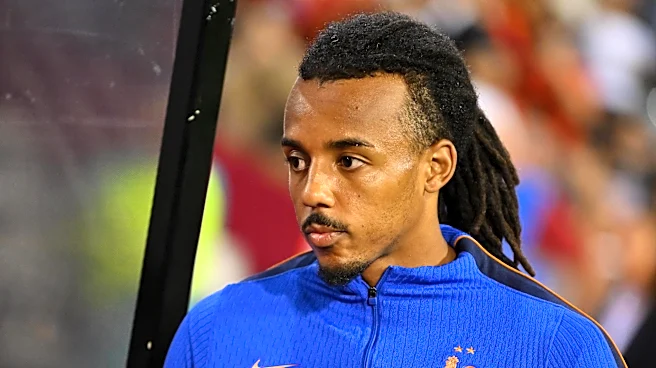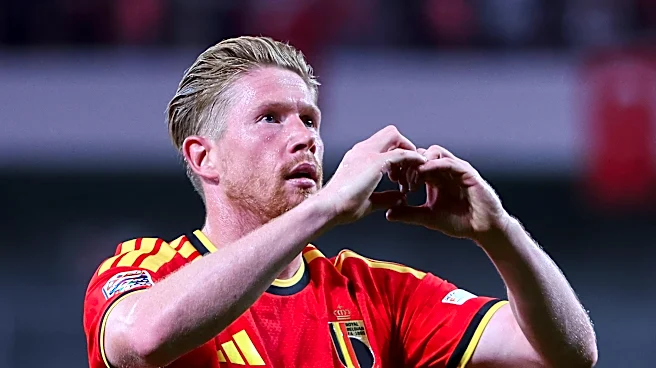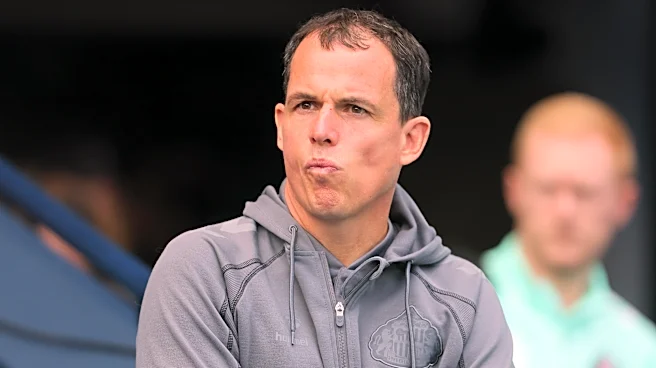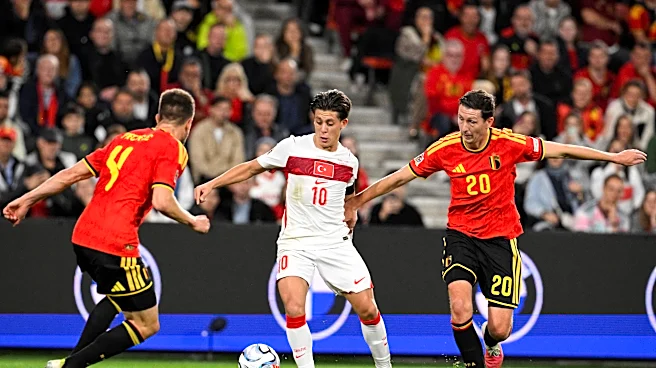

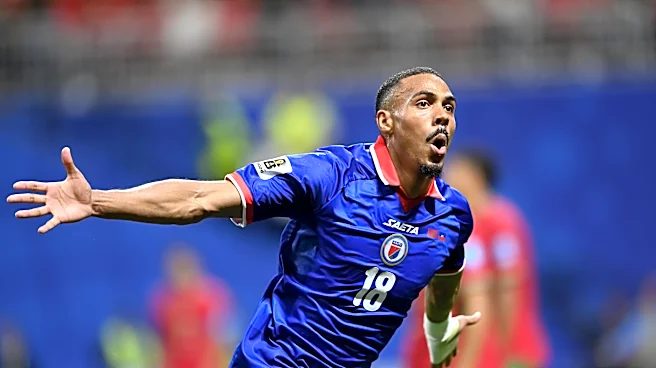
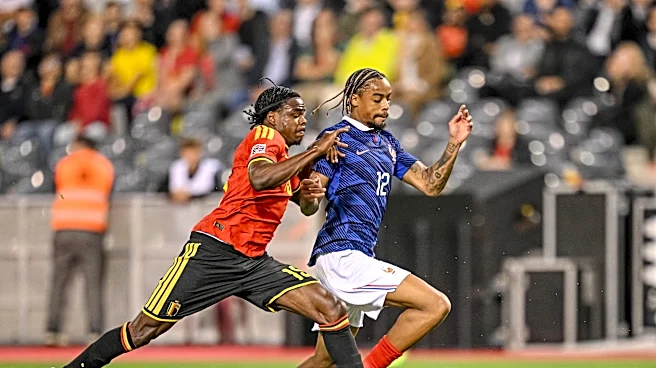
The cynic will tell you the only reason Wilson Isidor wears the blue and red of Haiti is that he wasn’t good enough to wear the blue, white and red of his native France.
The cynic is almost certainly right, but the cynic is missing the point.
Why a player plays for one national team over another is irrelevant. All that matters is what they do in those colours, and so far all Isidor has done is be a legend in the making.
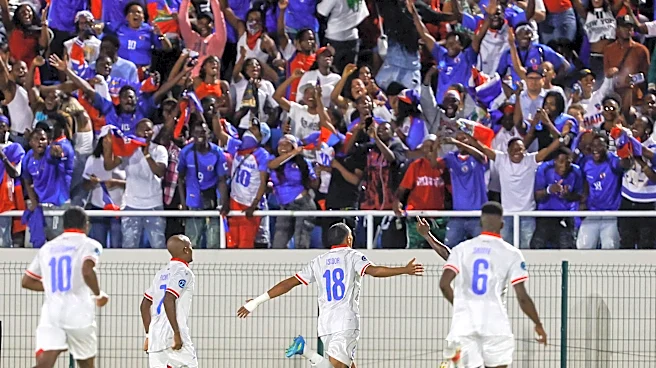
In 10 matches, he has scored six goals – including a golazo at the World Cup – assisted two more and led Les Grenadiers to the cusp of qualification for both the CONCACAF Nations League Finals and Gold Cup.
Isidor is not native to Haiti, but has embraced his new national identity, including sparking an international incident after scoring a brace in Haiti’s 4-1 dismantling of the nation it shares an island with – the Dominican Republic.
Isidor is one of many footballers, including the brothers of Granit Xhaka and Brian Brobbey, who have found international homes away from their native countries. Some will tell you it’s yet another sign of modern football’s decline and/or the desperation of lower-tier nations.
But those people are probably unaware that legends Alfredo Di Stéfano and Ferenc Puskás both played for multiple countries, or that in the modern day, minnows Spain and England had to import Diego Costa and Declan Rice to augment their squads.
National teams are reaching out to their diasporas like never before, and providing players like Isidor, who had multiple stints with French youth national teams, opportunities they might never have thought possible.
Isidor isn’t the only Sunderland player to take a similar chance.
Maybe Stevenage-born Dan Ballard could have waited to see if England ever noticed him, but by the time the plaudits came last season, the big centre-back had already played almost 30 times for Northern Ireland. It was his mother’s homeland, not England, that gave him a chance in the youth ranks first, and he stuck with the Irish.
Noah Sadiki and Chemsdine Talbi were both born in Belgium, and both represented the European heavyweights at multiple age levels.
Sadiki switched to the Democratic Republic of the Congo in 2023 and Talbi to Morocco in 2025. Both were rewarded this past summer with spots on their respective nations’ World Cup rosters.

Instead of waiting around for a call that may never have come, Isidor, Ballard, Sadiki and Talbi took control of their futures.
So far, it’s working out pretty well.