


The most recent Court rulings have made NCAA rules as clear as…mud.
The back-and-forth between the NCAA and former student-athletes is not set to end any time soon. As has been well-documented over the past few weeks, the NCAA implemented a rule allowing all student-athletes in the class of 2023 and beyond to play five years in college. Notably, this excluded those seniors who exhausted their eligibility in 2026 (class of 2022 athletes) because they were already out of eligibility when the rule was
put in place.
As has become commonplace in the modern college sports era, a Colorado Judge granted an injunction allowing Class of 2022 athletes to return to college and play one final season. The NCAA quickly responded with a Motion to clarify that athletes who hadn’t entered the transfer portal under current NCAA rules couldn’t transfer, and while the Colorado Judge granted that Motion, numerous other injunctions have been coming in from Tennessee, Florida, etc., allowing these athletes to enter the transfer portal and play where they wish during the 2026-27 school year.
The NCAA responded again with an emergency Motion to stay the Order, which the Colorado Judge denied on Monday. However, the Court is giving both sides the opportunity to argue their position in briefing that must be completed by early next week.
In the meantime, the NCAA has made clear that its rule remains in effect regardless of the Court’s most recent ruling.
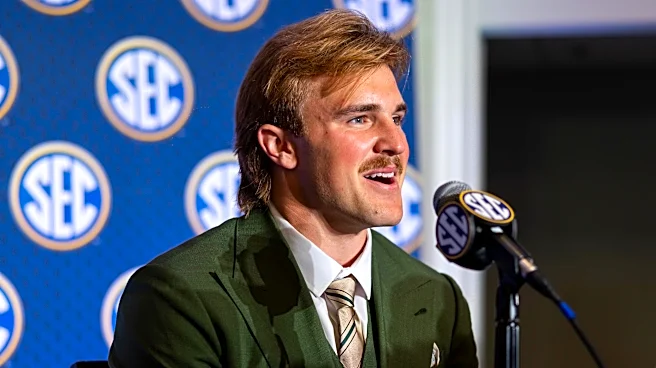
So, what does all this mean? In short, it’s the wild west in college sports. This isn’t even the NBA or NFL because there are no rules. SEC Commissioner Greg Sankey has now entered the conversation to let the conference’s schools know his position on the outstanding issues:
Court filings and rulings related to the current NCAA eligibility landscape remain highly dynamic.
As these various court proceedings continue, institutions should operate under existing NCAA rules, interpretations, and applicable Conference rules unless and until otherwise advised by the NCAA, the Conference, or a court order. Recent court rulings should not be interpreted as creating broader eligibility relief beyond the scope of the applicable orders.
In addition, SEC eligibility rules, including those relating to intraconference transfers, remain in effect until fully or individually waived, or the rule is changed.
If your institution is presented with a fact-specific eligibility question, please coordinate with your compliance office and Conference staff before acting or making commitments based on an assumption regarding an individual’s eligibility.
We are actively evaluating these issues and monitoring developments, including ongoing court proceedings and any appeals. We will provide additional information as circumstances warrant.
Please feel free to reach out directly to Conference staff or me with questions.
If it sounds like a veiled threat without much substance, that’s because it’s exactly what it is. Schools across the country have begun taking class of 2022 players, despite the SEC commissioner seemingly throwing cold water on these 5th-year transfers. For basketball, it’ll be clear sooner rather than later, but for football programs, there’s very little time to act as Kentucky kicks off its season in just 25 days (Alex Afari, anyone?).
Sankey specifically highlighted intraconference transfers in his statement, and that’s important to note. Former Vanderbilt Commodore center Jalen Washington signed with Tennessee after receiving a temporary injunction, but the commissioner insists that conference rules remain in effect even if NCAA rules do not.
That doesn’t seem to add up, does it?
To put it plainly, it’s all a mess. The NCAA had years to get its ducks in a row, and it sat on its hands. Now, college sports are on life support, begging Congress (yes, the collective group of elected officials who can’t agree on anything) to enact legislation to save “amateurism.”
At the end of the day, college athletics aren’t going away, but where they end up…your guess is as good as mine.