



For two games, the Buffalo Bills’ offense looked unstoppable. Their defense, on the other hand, looked extremely porous, allowing 31 points in each of the team’s first two victories. That the offense was able to score 36 and 41 pints, respectively, in those games is really the only reason why we haven’t seen more concern about the team’s defensive output overall.
We’ve seen some criticism of the defense, both on this site and elsewhere, and that criticism has been warranted. “The Bills won’t be able
to win shootouts every week,” those critics declared, and they were proven right perhaps even earlier than they expected to be.
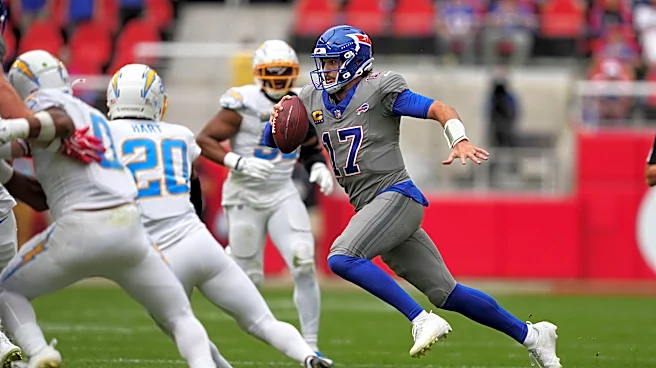
The Bills weathered three first half turnovers on Sunday against the Los Angeles Chargers, somehow entering halftime in a 10-10 tie. With two more turnovers in the second half contributing to a 13-10 Chargers lead midway through the fourth quarter, it was fair to wonder whether or not this was Buffalo’s day to drop an ugly game. However, the offense woke up in that final quarter, scoring a pair of touchdowns just four minutes apart to turn that 13-10 deficit into a 24-13 lead with just over three minutes to play.
The Bills were only in a position for those touchdowns to matter because of the continued tough play of their defensive unit on Sunday. Buffalo’s offensive woes placed the defense in adverse situations time and again, and the stop unit weathered the storm. Three of Buffalo’s five turnovers came inside their own territory, but the defense stood tough.
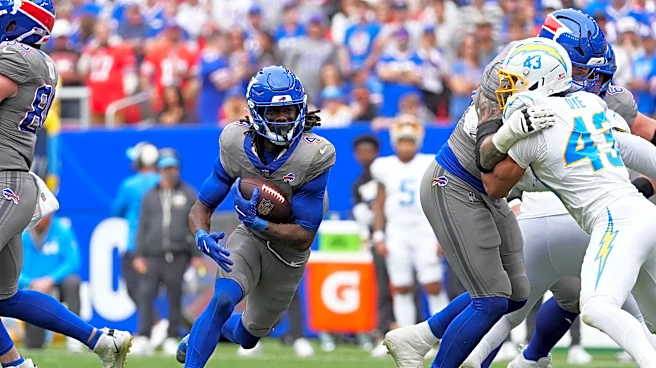
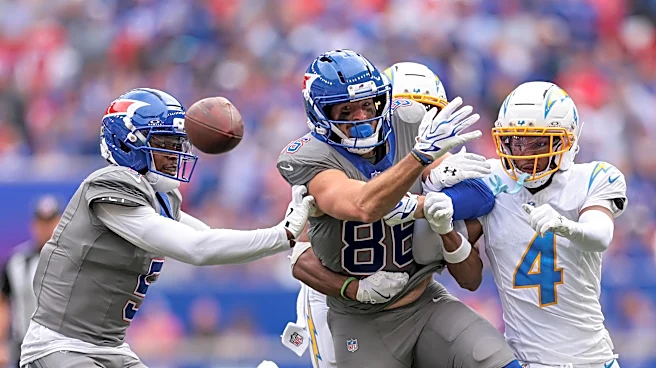
Buffalo’s first turnover—on the game’s first play from scrimmage, no less—came on a James Cook fumble that Los Angeles recovered at the Buffalo 47-yard line. That turnover directly led to a touchdown. Buffalo’s seconds turnover came on an interception at the Bills’ 43-yard line, as safety Genesis Smith jumped a route and intercepted Josh Allen. That gifted the Chargers great field position, which they converted into a Cameron Dicker field goal and a 10-0 advantage.
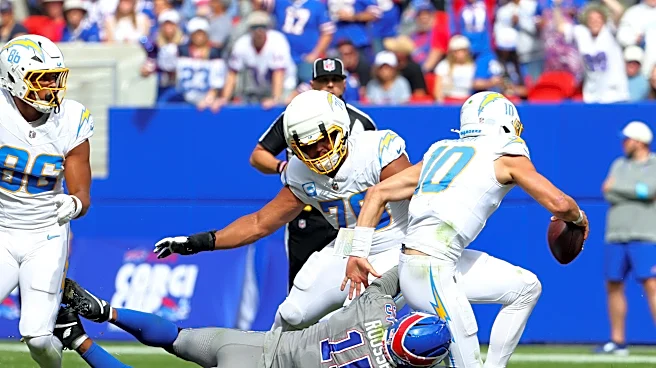
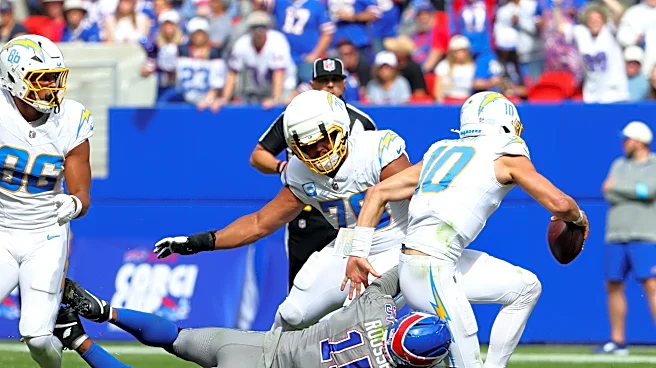
Buffalo’s fifth turnover should have been the back-breaker. Allen was sacked, and on his way down, he fumbled at the Bills’ 28-yard line. The Chargers could have thrown three incomplete passes and been in great shape for a 45-yard field goal. They could have run the clock down and added a game-icing touchdown. Instead, they did the one thing that they couldn’t do: they gave the ball right back to Buffalo without scoring.
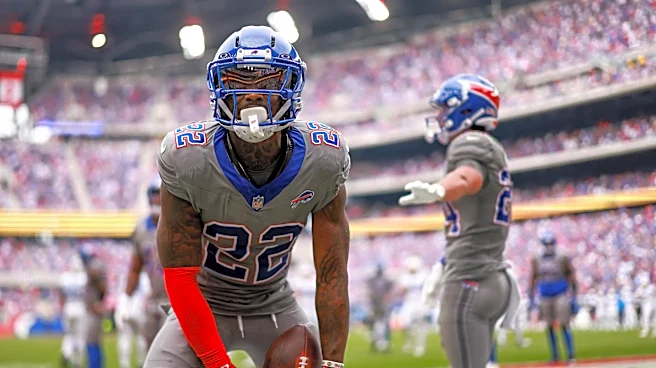
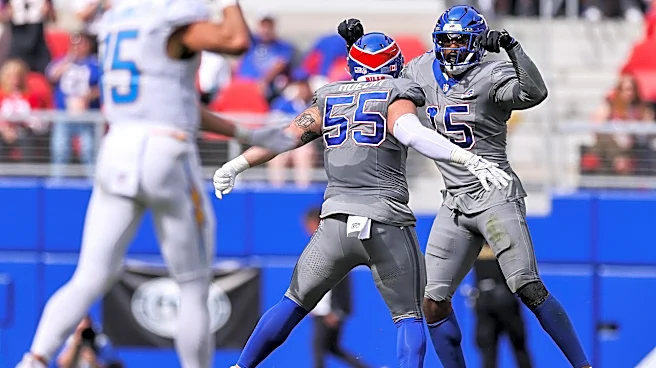
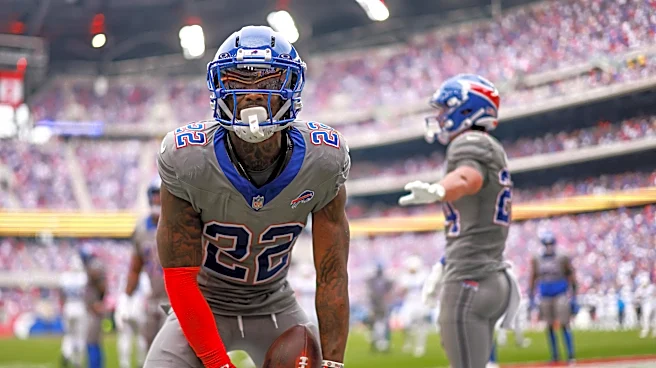
On third down and five from Buffalo’s 23-yard line, Justin Herbert tried to force a pass up the seam to Marquez Valdes-Scantling. C.J. Gardner-Johnson jumped the route, intercepted the pass, and returned it to the Buffalo 43-yard line. From there on, Buffalo’s offense ran 19 plays for 103 yards and two touchdowns over the course of their next two drives.
Buffalo’s defensive effort throughout the day was outstanding. They held the Chargers to just one touchdown despite gifting them five extra possessions via turnovers. While they allowed some longer drives in the early going, allowing Los Angeles to march 47 yards for a touchdown on their first possession, they held the Chargers out of the end zone on each of their three longest drives. Los Angeles had a 63-yard drive end in a missed field goal, and then had a pair of 69-yard drives end in made field goals for Cameron Dicker.
This was a continuation of a trend that has shown itself this year, as Buffalo’s defense has stepped up in the biggest moments thus far. Even on Sunday, the Bills’ defense bowed its neck and gave the offense a chance to redeem itself in that fourth quarter. After Allen’s fumble, the Chargers ran eight plays on their next two drives. They gained a total of seventeen yards, threw one interception, and turned over the ball on downs. Those two turnovers directly led to Buffalo’s 14 second-half points, which gave them the margin needed to win the game.
Yes, there were still warts on defense. Some ugly penalties extended drives that should have ended. There’s also the necessary caveat that the Chargers aren’t exactly an offensive juggernaut, as they have totaled just 44 points this season and average just 309 yards per game. That average is way up from their first two weeks thanks to the 348 total yards they gained on Sunday.
Has Buffalo’s defense been perfect this year? No, it hasn’t been. However, after looking like it could be a huge liability through two games, Sunday’s effort was another step in the right direction for defensive coordinator Jim Leonhard’s charges. While they won’t play struggling offenses like Los Angeles every week, the Buffalo defense continued its trend of stepping up for the team in the biggest moments.
And, at least for one week, the offense can thank the defense for covering its mistakes rather than the reverse being true.