



You could use many words to describe the Yankees’ first seven seasons of the 2020s. Consistent is one. The team has made the postseason in six of those seasons, winning the division twice and qualifying four times as a Wild Card. Disappointing is another. The Bombers are still hunting for that elusive championship—their best chance to this point came in 2024, in a World Series where they fell far short of the standard.
One word you could not use to describe these results is “surprising.”
For several
years running, Yankee regular seasons have taken on a familiar structure: a strong, sometimes dominant start followed by the so-called ‘June swoon’, a protracted period of ugly losses and unconvincing wins which throws their season off course. The swoon is generally followed by a second-half resurgence in which they flash some of their best team baseball—right up until they face a higher seed in a playoff series, who quickly and soundly trounce them, providing the rest of the baseball world ample time to unite in derision and mockery.
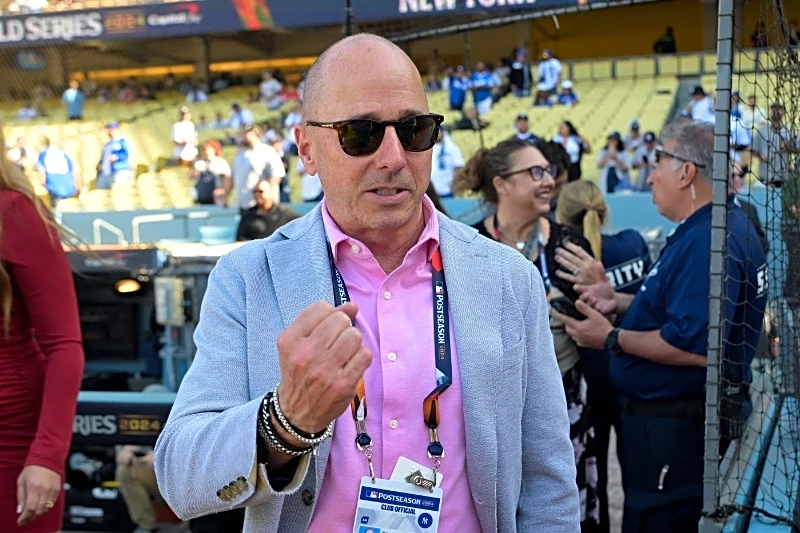
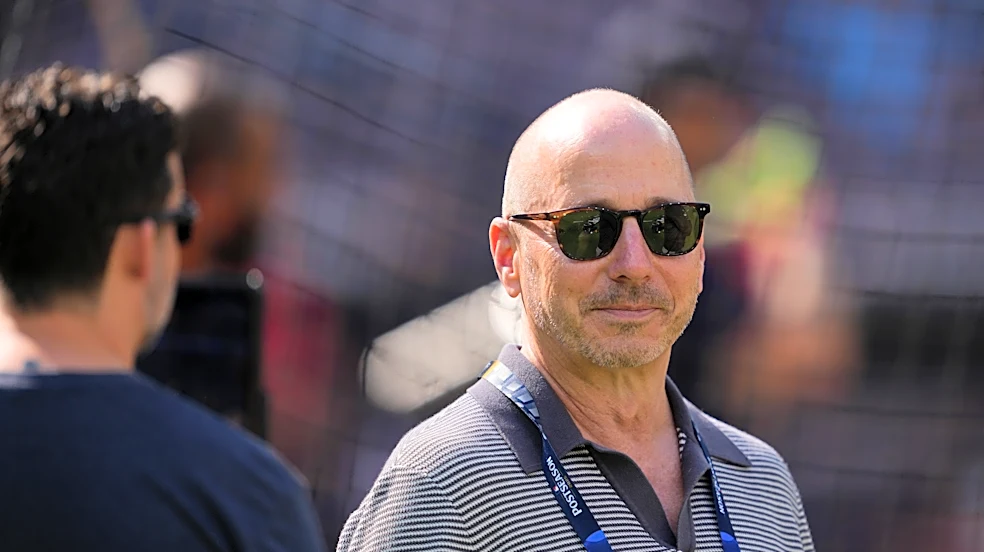
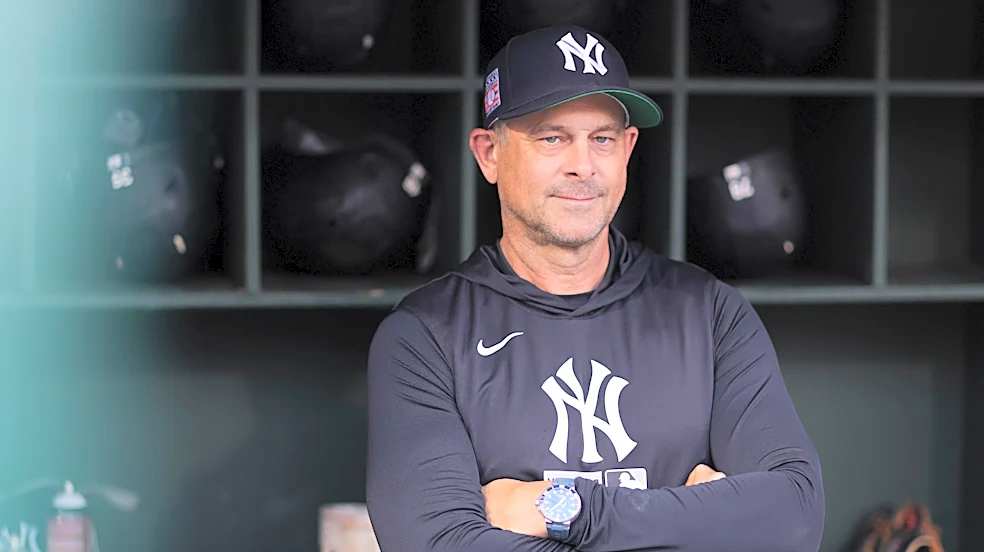
As the Yankees have played at a caliber no greater and no lesser than their roster’s true talent level, the positions of manager and general manager have remained occupied by the same men: Aaron Boone and Brian Cashman. They will remain in their posts for 2027—Boone’s return was announced by the club on Monday, followed by Cashman’s on Wednesday. Once again, no surprises here.
The coming offseason presents a fairly unique challenge for both men, but particularly Cashman. The Yankees’ roster, despite star turns from a few of their youngsters, is one of the most veteran-heavy groups in the league. A huge chunk of the team’s payroll is invested in four long-term contracts for Aaron Judge, Gerrit Cole, Max Fried, and Carlos Rodón. All four players missed significant time in 2026, and Judge, of course, did not play in the postseason.
Furthermore, many of the team’s largest holes in the roster have remained liabilities despite Cashman’s various attempts to address them. The free agent market is thin and the farm system is depleted from the various trades the Yankees have generally needed to make to shore up massive roster holes which pop up every season.
Then, of course, there’s the looming specter of the lockout. The very existence of the 2027 season is at the very least not an absolute sure thing.
Then again, there’s virtually nothing in this sport that Cashman hasn’t seen. He’s had the top job running baseball ops since 1998, and has managed to keep the team above the .500 water line every single year—with precious few absences from the postseason. And this is far from the first time has had to navigate an aging core. It’s easy to take this for granted now, but a decade ago he executed a much-lauded soft reset, turning the Yankees from a sputtering group of underachieving veterans to the Baby Bombers: the electrifying young stars-in-the-making who oozed boundless possibilities.
The dream of another homegrown core in the same style of the 1990s dynasty, however, proved more elusive this time around—and pretty soon, Cashman was increasingly looking for outside help to build around Aaron Judge. In so doing, he was steering a sort of middle course. One one hand, he and owner Hal Steinbrenner have shied away from the tippy top of the free agent market. Superstars like Manny Machado, Bryce Harper, Corey Seager, and, yes, Juan Soto went to higher bidders once the asking price got too high. On the other hand, the Yankees didn’t cry poor the way so-called “small market” teams do, leaving their homegrown players to flounder without help.
Lesser GMs would not be able to pull off this balancing act: they would have paid the wrong guys, or not had the player development infrastructure in place to turn little-regarded prospects into household names. But Cashman has, to the point that fans have come to expect that he should have a salve for every last ill.
The reality is that nobody can build a perfect roster—given the circumstances in which he operates, Cashman has almost always built a roster that can compete for the ultimate prize. That ability cannot and should not be handwaved by recency bias, no matter how tempting it is. Frankly, nothing in the way he has built these teams suggests that they should be so routinely tossed aside by higher-seeded opponents. In each of the last two years, I sincerely believed that they matched up well against their ALDS opponents, warts and all—until first pitch, at which point it quickly became clear the team wasn’t prepared to win.
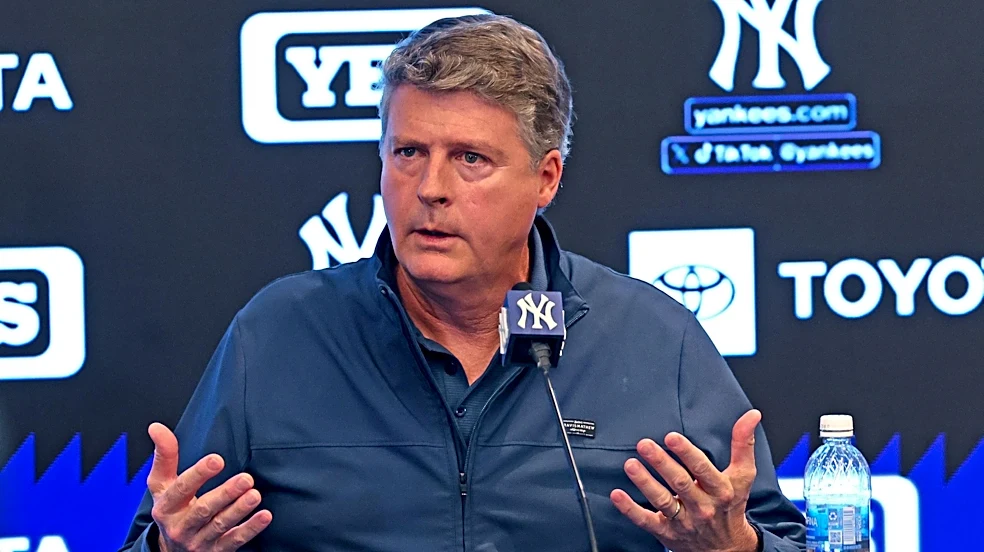
We can certainly quibble with individual moves Cashman has made. For instance, I feel like he’s never really gotten third base right since A-Rod retired, and his prospect-hugging tendency with former Top 100 guys like Clint Frazier and Jasson Domínguez has burned him plenty of times. But at the risk of being reductive, I feel the biggest issues facing this team are either Steinbrenner problems or Boone problems. Cashman doesn’t control the purse strings, and he doesn’t step between the foul lines. He’s kept doing his thing, giving Boone a perfectly good group of players to compete with while convincing Steinbrenner to pull the trigger on no small number of large contracts.
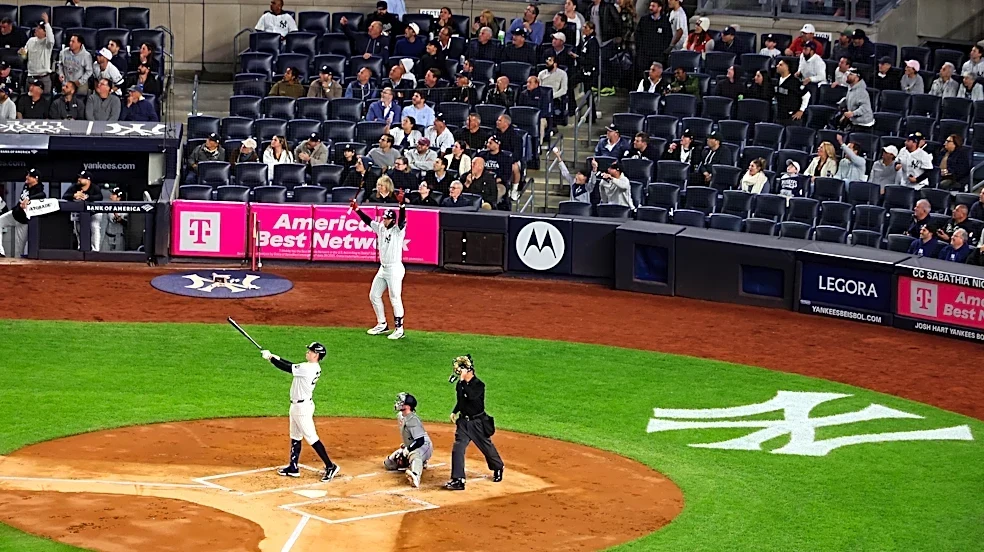
Two weeks ago I went to ALDS Game 3 and watched the Yankees’ season end with thousands of others who, probably like me, purchased their seat riding the high of smashing Boston in the Wild Card. They, like me, begrudgingly honored their commitment with the team facing near-certain doom and got what they expected to see: a game of close calls, near misses, and ultimately defeat. In talking with other fans on the long walk out of the stadium, a good number of them called for an all-or-nothing approach to 2027. Push all of the chips to the center, make a ton of moves to make the roster as competitive as possible, and then blow it up if it doesn’t work.
All-or-nothing approaches sound appealing when you haven’t had to consider the “nothing.” Yankee fans have not, in recent memory, experienced a true “nothing” season—because Cashman by and large hasn’t let them. The devil you know has given you some particularly sour postseason memories, it’s true. But they were postseason memories. The devil you don’t know could push them over the top… or it may just bring the whole operation crashing down.
Still, while I don’t agree with these fans’ overall outlook, the facts that led them to feel that way are unavoidable. If your team keeps choking in the big moments and the same guys stay in charge all the while, it signals complacency. It signals that the Yankees don’t really care all too much whether they win a championship: they’re just happy getting a place in the dance. Aaron Boone-managed squads perennially look overmatched and underprepared yet he stays aboard. Brian Cashman hasn’t built a champion in close to two decades, yet he stays aboard. There’s a palpable feeling in the air that the standard has been lowered. Even if nobody in the organization feels the same, it’s not really their place to say. Perception, at a certain point, becomes reality.
So as Brian Cashman prepares for another pivotal winter as general manager, he’ll be battling not just the attrition of his aging roster, a shrinking list of viable reinforcements, and the possibility of a lengthy work stoppage—but also a fanbase that is by and large losing its belief that this group can bring title number 28 back to the Bronx. That’s a hefty mandate, and as the past several years indicate, success is not a guarantee. But you likely won’t find a GM better equipped to handle what comes next. For better or worse, the Yankees are sticking to their guns.