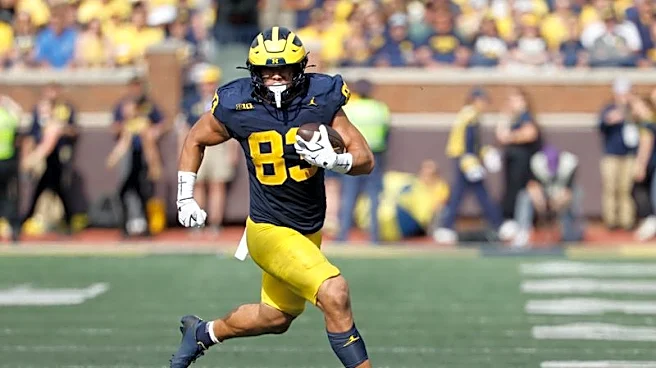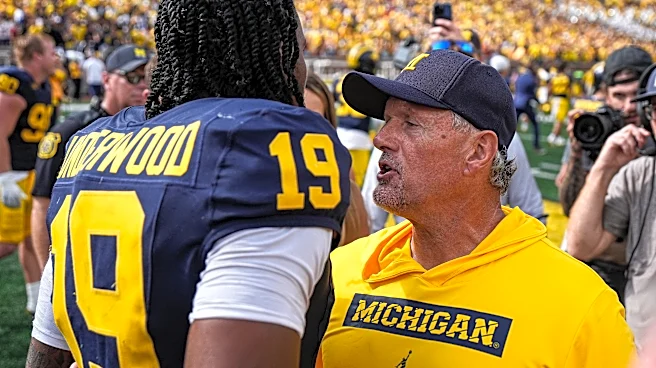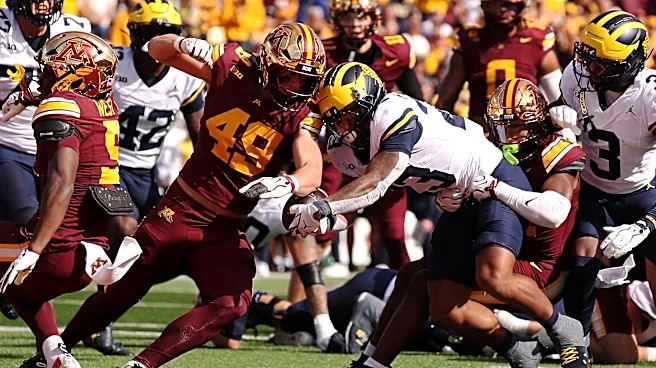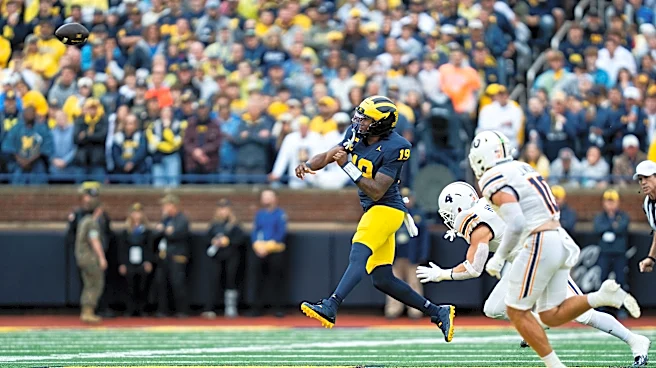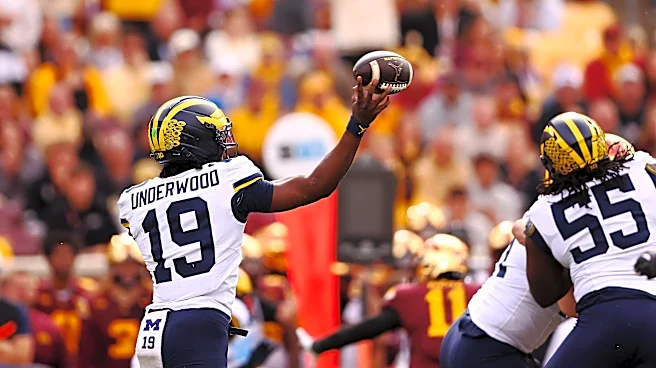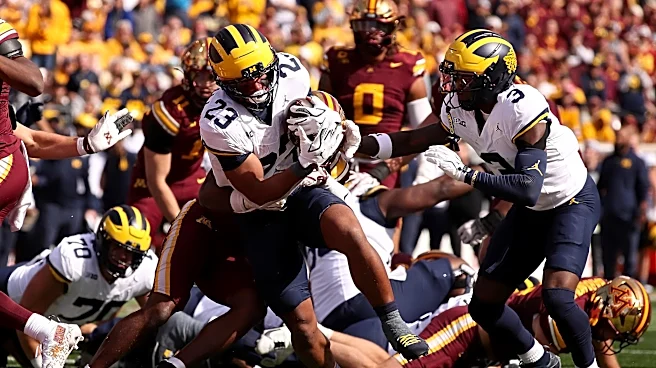



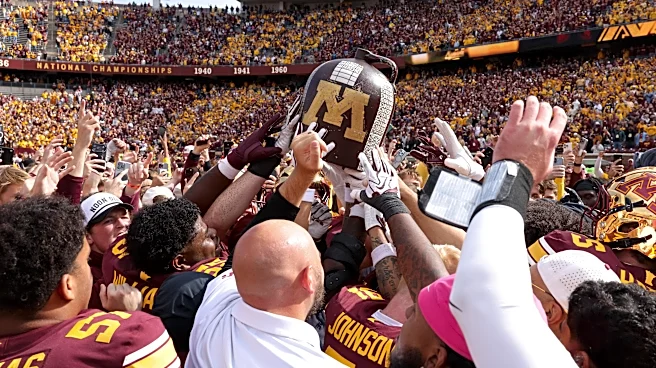
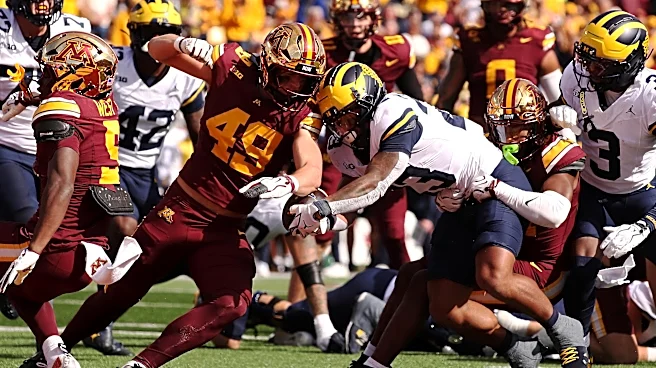
The Michigan Wolverines are coming off a disastrous 20-14 loss to the Minnesota Golden Gophers last week, and a truly abysmal performance from the offense was the biggest factor in suffering a second consecutive setback.
Not only did the rushing attack continue to struggle as it has throughout the start of this season, but the passing offense completely unraveled in a turnover-riddled second half. So the question begs, what’s most to blame?
Since the loss at Minnesota, Michigan’s poor play calling
and inadequate offensive line play has been highly scrutinized. Additionally, quarterback Bryce Underwood has struggled mightily as the offense continues to search for answers.
The Wolverines currently rank 122nd in the country in total offense with 315.8 total yards per game, and 106th with 5.3 yards per play. Michigan also ranks second-worst in the Big Ten with an average of just 23.0 points per game.
“Frustration is the biggest emotion I’ve felt,” Michigan offensive tackle Blake Frazier said amid the offensive struggles. “We’re trying to figure it out. We had a good practice and a step in the right direction today, but it’s frustrating.”
The offensive line has taken a lot of the blame and for good reason. It’s been a rough five games for an offensive line unit that was expected to be among the best in the Big Ten. That just hasn’t been the case at all this year though.
Michigan’s offensive line has struggled heavily as the run offense is ranked 100th in the nation with an average of 135.0 rushing yards per game, while sitting towards the bottom of the Big Ten with only seven rushing touchdowns.
“If we’re not able to run the ball, then that’s a direct reflection of the offensive line, so that’s what we’re working on,” Frazier said. “We just have to execute better from an offensive line perspective. We’re not getting enough push.”
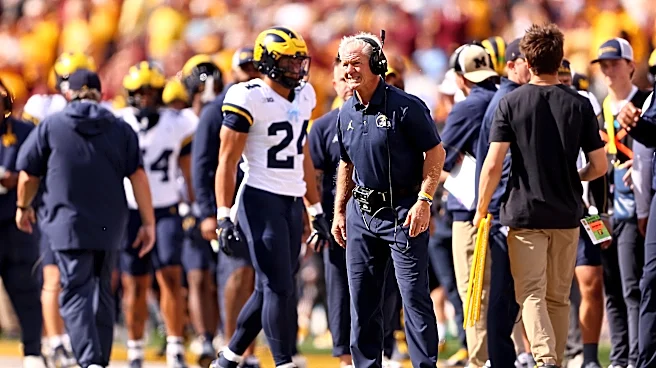
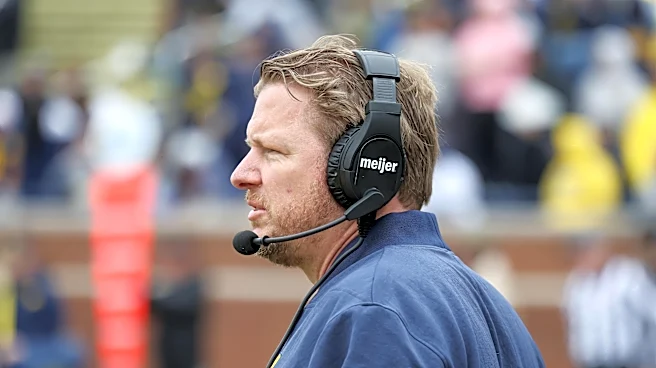
Michigan has recently been criticized for running the ball from side-to-side too much and not getting downhill enough, which head coach Kyle Whittingham spoke about — saying getting downhill more would benefit the offensive line.
“We’re more of a downhill team, and I think we got away from that a little bit,” Whittingham said. “If we continue to be a downhill team, let the offensive line roll off the ball, that’s where we’re going to have our most success running.”
Frazier reiterated Whittingham’s comments that focusing on getting downhill will lead to more success.
“I would love that. We have gotten away from it a little bit,” Frazier told the media. “I think downhill runs would be helpful here and there, but at the end of the day, we still just have to execute it better so that we’re able to score.”
The offensive line has been impacted by injuries, forcing constant reshuffling along the front, but a difficult transition to a new horizontal scheme under first-year offensive coordinator Jason Beck has turned the unit into a weakness.
Beck contributed to one of the nation’s most prolific rushing attacks at Utah last season, but Michigan’s offensive line and running back personnel are drastically different, so his side-to-side running scheme just hasn’t translated at all.
It’s not as simple as just getting downhill more and the offensive production will appear, but there is something to be said about playing to the strength of your personnel, and that’s exactly what Michigan must do to improve the run game.