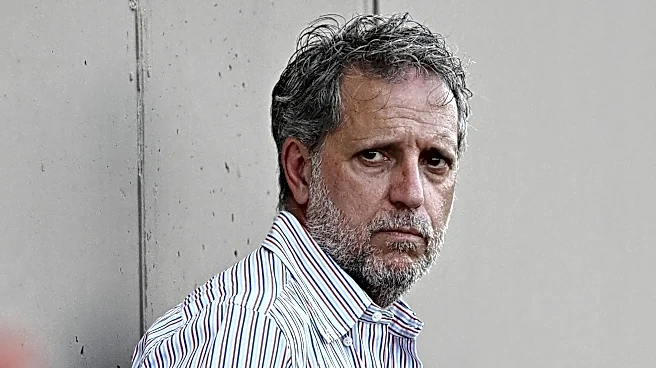



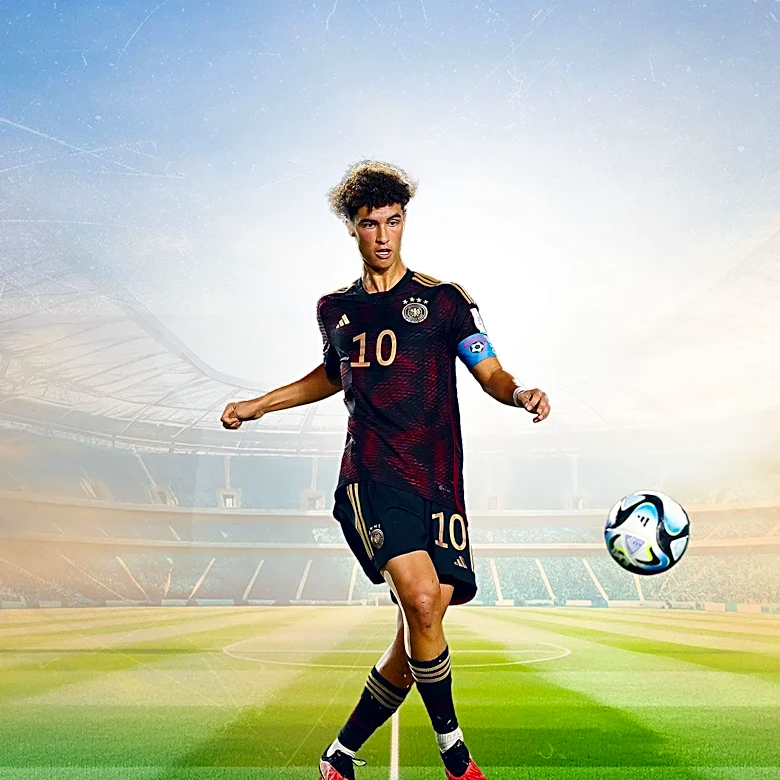

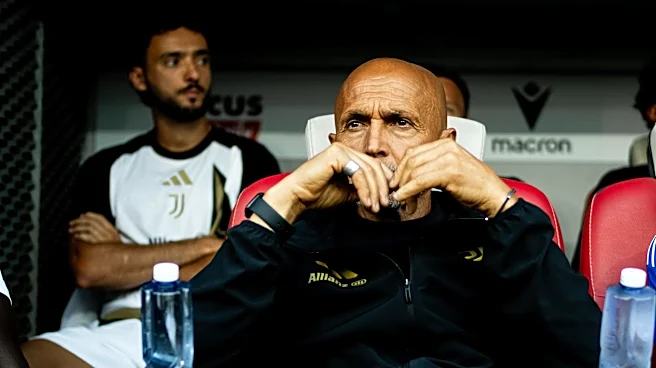
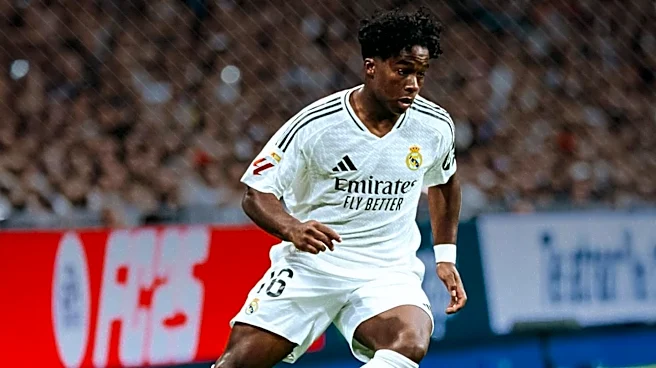
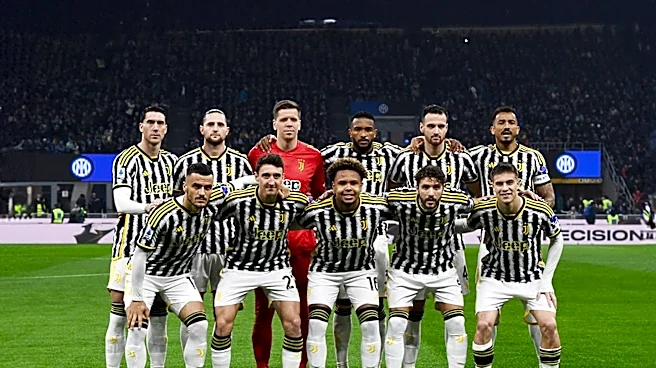
Fabio Paratici has wasted no time stamping his mark on this Fiorentina squad. He’s brought in 5 new players already and more are coming. That’s good news: the Viola needed to refresh a stale, ailing group. What I’m interested in, though, is the senior players the new sporting director has sold. No, I don’t mean outcasts like Lucas Beltrán and Amir Richardson and Alessandro Bianco. I don’t mean unfortunate salary casualty Robin Gosens. No, I mean all the academy-trained talent in the system.
Until
the Viola create a B-team, it will lose a crop of academy kids every summer. Most of them never had a chance of breaking through to the first team. For the handful who might have the quality, finding an acceptable path within the club is difficult. The most common outcome is what happened to, say, Eduard Duțu last year: a promising young defender, he ended up on 7 loan deals before leaving Florence for good last year without ever making a senior appearance. Guys like Luca Ranieri—loans to Foggia, Ascoli, SPAL, and Salernitana before breaking through—are the exception. It’s rare for to see one of these youngsters take that final step.
Young players matter to fans in a way they don’t to the club itself. For fans, every 17-year-old who dribbles a 3rd-tier defender in preseason becomes a future star. That’s not just luxurious thinking. We need that fantasy—the academy contains untold riches—because it reinforces two narratives that sustain us, especially through the lean years. First, we get to believe that we know ball and can identify buried talent because that allows us to think of ourselves as knowledgeable, superior, and in control of something over which we actually exert no control. Second, we get to think that Fiorentina is doing something better than other clubs, allowing us to enjoy vicarious success and prove to ourselves that there’s a reason to support an organization that constantly falls short.
The other bit is that fans connect with kids they’ve watched grow up more than they do with senior players brought in on the open market. There are Borja Valero exceptions, of course, but in a vacuum, we’d all prefer an academy product more than a player of equal talent who transferred in. It demonstrates that the club’s process is successful. It also provides a connection to the city: every time you see a kid like Tommaso Martinelli post a picture of himself as a child in the Curva Fiesole, it reinforces the depth of feeling the locals have for the club in a way that nothing else can.
Fiorentina has enjoyed unprecedented success at youth level in the Commisso era. Daniele Galloppa led the kids to their first scudetto in 43 years, adding that trophy to 4 Coppe Italia and 2 Supercoppe since the 2019-2020 season. There’s been a rich seam of talent at the RBCVPetc, churning out senior internationals (Federico Chiesa, Jan Mlakar, Michael Kayode), promising youngsters (Daniele Ghilardi, Edoardo Pierozzi, Costantino Favasuli) and steady veterans dotting the top tier leagues across Europe. For a club that’s seen precious little go right over the past year, the success stories of player development should provide a silver lining for fans desperate for any positives.
Instead, Paratici has overseen an exodus of academy-trained talent this summer. Gone are Lorenzo Amatucci, Alessandro Bianco, and Jonas Harder. Maat Daniel Caprini, Eddy Kouadio, and Tommaso Martinelli have moved on loan with reasonably low purchase options, although the Viola retain buyback clauses on them. All 6 of these players have either made their senior debuts or are close to it. Pietro Comuzzo, Nicolò Fortini, Luis Balbo, Lapo Deli, and Riccardo Braschi have all been strongly linked to the exit as well.
This is more than the regular summer churn of academy-trained players. Despite a down year, Comuzzo has proven that he can excel in Serie A. Martinelli, Fortini, Balbo, Amatucci, and Kouadio aren’t far from that level. In years past, a couple of them would stick around on the fringes, earning the odd appearance in case of injury or fixture congestion. Maybe one of them would have popped a la Michael Kayode circa 2024. More likely, they would’ve provided cheap squad depth.
Here’s where I struggle with Paratici’s methods. Selling off the kids I’ve kept tabs on for years hurts but it’s a business and business means making hard decisions regardless of feelings; just ask Gosens. What I don’t understand is how these moves benefit Fiorentina financially. The most obvious area is salary: a recent Primavera grad on their first senior contract usually earns under €100,000 per year. If the Viola are serious about slashing the wage bill, one of the best ways to do so is to populate the edges of the roster with academy talent.
Even for those players without a direct path into the first team, keeping a buyback clause in case they improve in a couple years would be ideal. It’s a practice that’s become more common over the past few years, one that Fiorentina itself is using in ongoing deals (e.g. Víctor Valdepeñas). Paratici prefers a sell-on clause to a buy-back clause but as we’ve seen, skulduggery is the norm in these sorts of deals. Ante Rebić was the first player to burn Fiorentina this way but he won’t be the last; in fact, Paratici’s misreporting of transfer values with Juventus earned him an 18-month suspension a couple years ago.
Fiorentina has also limited its roster flexibility with these transfers. Serie A rules require at least 4 academy-trained players on the 25-man roster. Assuming Comuzzo, Fortini, Balbo, Deli, and Braschi move in this window, Lucas Ranieri and Lezzerini are the only such players on the roster. Meeting that regulation will require drafting 2 U-22 (read: Priamvera) players into every match day squad. Those are two senior roster spots the Viola won’t be able to use otherwise.
That’s not a huge problem this year because Fiorentina’s only competing on two fronts. Next year, though? UEFA’s registration rules are similar but slightly stricter in terms of which players count as academy-trained. As Fiorentina spends big on new players, the pressure to qualify for Europe and its accompanying financial benefits intensifies apace. If everything goes right, next summer’s Viola could find themselves in a similar position to Como: just 2 academy-trained players on the roster and open questions about how to meet UEFA’s regulations.
Perhaps it’s less a problem for the Lariani due to their outrageous financial situation. Now more than ever, the game is about who’s willing to pay and who isn’t. The Commisso family, while fabulously wealthy, doesn’t possess the limitless riches of the Hartono clan and thus won’t be able to pay the fines UEFA will level for not following the rules or the fees required to reach an alternate accommodation, the sort that the billionaire class always slides into on greased stacks of cash.
I don’t want to be alarmist here. It may well be that Paratici and company have evaluated this group of young players and decided their value is at its apex—the promise of limitless potential versus the grim reality of a hard ceiling—so selling them now is best practice. Paratici’s as well-connected as any calcio schemer working today and has an intricate plan to return Fiorentina to its proper place in the Serie A hierarchy. This exodus is only part of a carefully-considered course of action, one that he’s developed to achieve a specific end rather than to sell for the sake of selling.
As much as I trust Paratici, though, I also worry that this is more evidence of short-term thinking. Splashing out big fees on exciting players without setting up equivalent revenue streams down the line is the larger piece of evidence. Moving on from every promising player under the age of 22 on the club’s books is a part of that, certainly, but one that hits with a bit more immediacy. I don’t doubt that Paratici has the vision to create his plan and the skill to execute it. I just worry what that plan is.