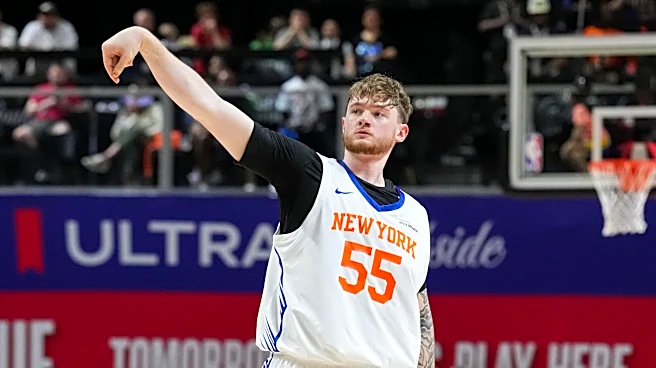



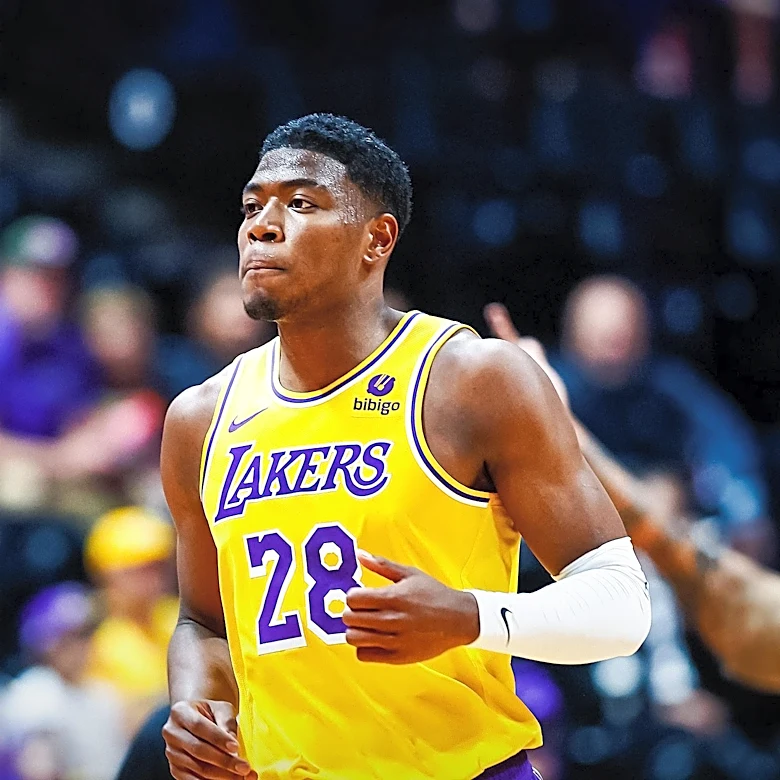
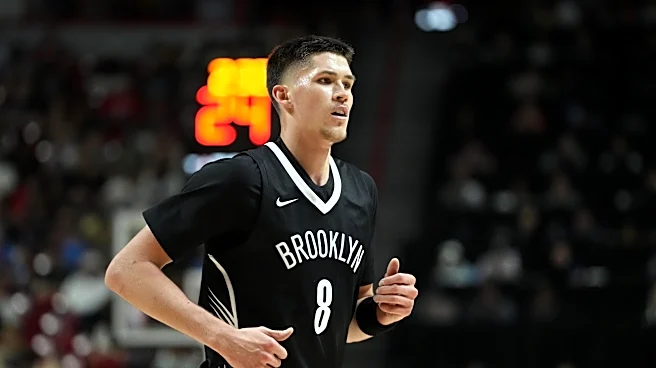
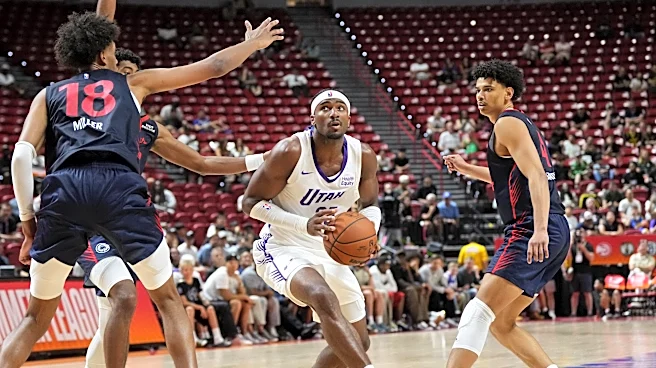


Traditionally, the Las Vegas Summer League serves as a location for evaluating established young talent and first-round draft picks. Entering the summer, many assumed the Knicks’ 39th-overall selection, Jack Kayil, was your typical draft-and-stash prospect. Providing more fuel to that expectation, his name was absent from the initial summer league roster. While New York navigates the financial constraints of the second apron, having Kayil spend next season developing with ALBA Berlin made some sense.
Since then, the trajectory has changed. After securing a last-minute clearance from his team in Germany, Kayil touched down in Las Vegas, joined the SummerKnicks, and demonstrated a level of play that demands a reevaluation of his developmental timeline.
Though Kayil is young, he does not fit the traditional profile of a raw prospect you typically find in the second round. Having recently captured a German Bundesliga championship, he possesses a legitimate European resume.
In Game 5 of the finals against Bayern Munich, his mental toughness was on full display. Facing a 20-point halftime deficit, Kayil conducted a historic comeback, scoring 10 points in the final six minutes of play. It might not be at NBA Finals Game 4 level, but it is still impressive. That level of composure in high-pressure situations is a necessary trait for any guard looking to make their mark in the NBA. Kayil possesses a willingness to take command of an offense when it matters most, similar to another point guard we know well.
Of course, translating European success to the NBA Summer League is never a guarantee. However, Kayil’s performance lacks the typical rookie turbulence witnessed in mid-July. Though the Knicks struggled mightily on offense in his debut against the Spurs, Kayil served as a stabilizing force. Establishing a controlled pace and showcasing impressive poise, he posted a respectable 12 points and three assists.
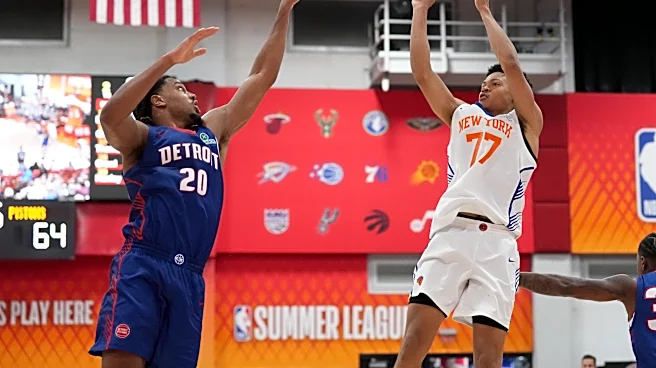
Elevating his game even further against Detroit, Kayil recorded 19 points on 6-of-13 shooting while connecting on three attempts behind the arc. Defensively, he successfully anchored the point-of-attack defense, registering a team-high 3 steals. Much to the enjoyment of everyone, Kayil operates with the tempo and physical maturity of a seasoned guard.
It is worth noting that his performance has not been without flaws. Thursday night against the Warriors provided a reality check, losing to Golden State 87-77. Kayil struggled against the opposing length and deeper roster, ending the game with just 4 points on 2-of-9 shooting. Still, he found a way to impact the game. Contributing five rebounds and four assists over 29 minutes, Kayil showed an understanding of how to affect the game when his shot is heavily contested. This quality alone fits the mold of the Knicks’ championship DNA.
Kayil’s fit with New York’s current roster is intriguing. Offensively, his ability to navigate the pick-and-roll and execute in the clutch projects well. Still, the front office must have enough confidence in his foundation to successfully run the second unit and manage drop coverage. Defensively, he brings point-of-attack intensity, which is a must under Mike Brown. To earn minutes, he must succeed in defending the perimeter and navigating screens. Kayil’s three steals against Detroit show the exact type of disruption Brown’s system demands. If his instincts translate against NBA-caliber talent, Kayil could become an effective, two-way backup point guard.
Despite his potential NBA readiness, keeping Kayil in New York for the upcoming season comes with challenges. Of course, we cannot escape discussing the new CBA and the second apron, as they do complicate matters.
If the Knicks choose to offer Kayil a two-way contract, NBA regulations prohibit them from paying his overseas buyout. According to the rules, the buyout would have to be executed strictly between the player and ALBA Berlin. Yes, Kayil would have to independently pay for his buyout in order to accept a two-salary. Truthfully, this financial decision is unlikely.
While a two-roster spot may be available, the Knicks likely lack the cap space to offer their 20-year-old guard a standard NBA contract. That contract is the only legal way New York can cover his international buyout. Of course, this dampens things a little bit.
New York currently possesses a highly talented guard with professional championship experience whose NBA arrival may be blocked by cap constraints. Obviously, whether those constraints should be real is up for debate, but Dolan and company have made it quite clear they have no interest in entering the second apron. Unless Leon Rose successfully maneuvers the cap, or Dolan has a change of heart (unlikely), the Knicks will have to stash a player who looks NBA-ready.