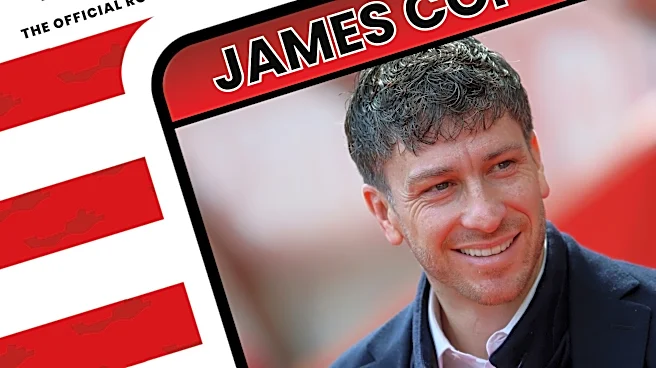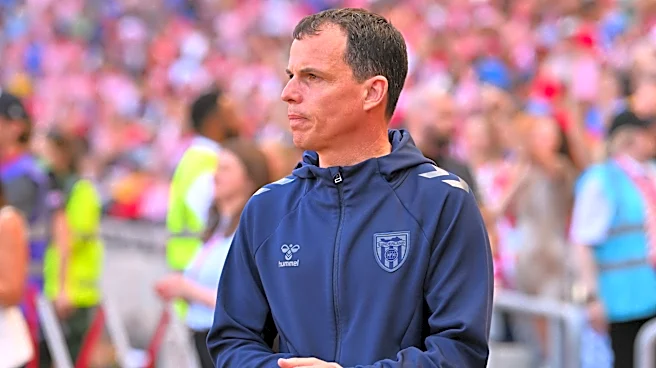








Ross Stewart, Jack Clarke, Jobe Bellingham and now Eliezer Mayenda. All high profile departures from Sunderland under the ownership of Kyril Louis-Dreyfus — and to a lesser extent, feel free to throw in the additional departures of Charlie Wyke, Alex Pritchard, Lynden Gooch and Danny Batth.
Elton John once said that “Sorry seems to be the hardest word”, but he’s never had to accept not singing chants involving the ‘Loch Ness Drogba’ or the besmirching of Sam Fender.

For that reason, I’d argue goodbyes
are far more painful than apologies. You’ll often hear people say there’s no loyalty in football these days and in an age of state-funded sportswashing, orange-faced meddling and ever increasing commercialization, it’s easy to accept that.
You can’t put the toothpaste back in the tube and nor is it likely the trends of the game will change. But for every mercenary, there’s a Luke O’Nien; for every Will Grigg panic buy, there’s a Trai Hume.
So why does that matter?
Well, there is a food chain, both financially and by stature in football, yet one thing I’ll always love about us is that Sunderland fans won’t have an inflated sense of where we lie on that.
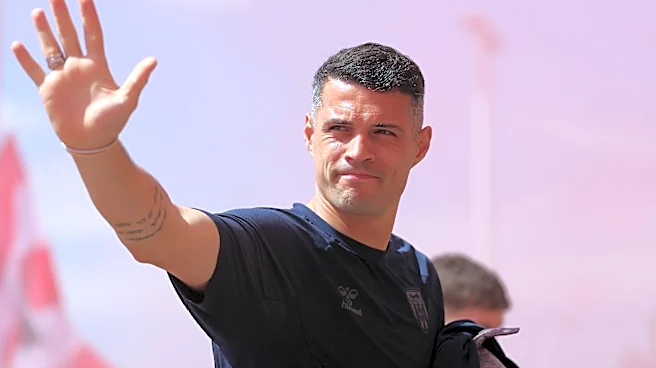
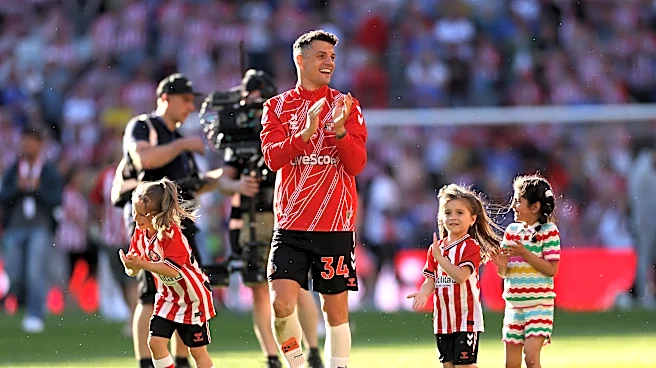
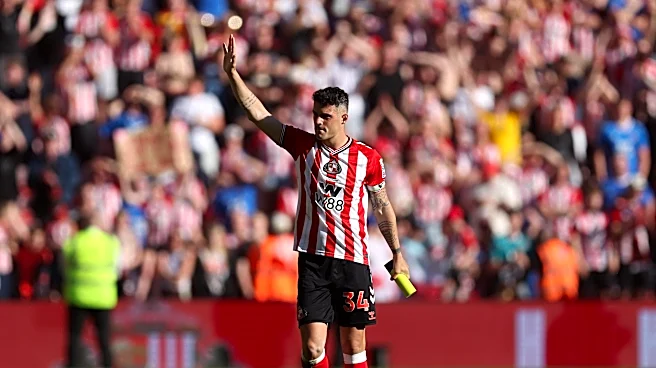
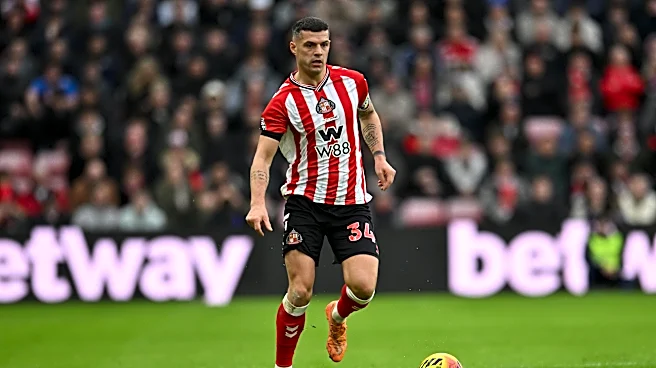
During their tenure, what Louis-Dreyfus, Kristjaan Speakman and Florent Ghisolfi have demonstrated is their understanding of that position — and either through increased financial security or an understanding of his importance, they were comfortable in the decision to reject the £8 million bid for Granit Xhaka.
It wouldn’t be outrageous to say that under BlueCo, Chelsea’s recruitment has been moronic.
Last summer’s transfer spend for Sunderland would’ve been taken up by their acquisitions of João Felix, Alejandro Garnacho and Jamie Gittens, and would be raised to over half if you look at the purchase of Mykhailo Mudryk alone.
So, there isn’t an unimaginable scenario in which they write a cheque between £20-30 million for our skipper, and even more so considering their need to appease their new manager and their desire to move away from their current recruitment model.
Xhaka’s exit would’ve been sore and Toblerone sales would’ve plummeted on Wearside but ultimately, Sunderland would’ve moved on.
For me, there are different sides to look at it before resorting to the five stages of grief. Would I have felt slightly betrayed if the Swiss international pushed for the move? I think so, given the narrative built around him joining Sunderland, and his words at the end of the season. Could I understand it financially? Absolutely.
However, the ownership and recruitment teams have earned the trust to make that decision. A succession line of Wyke-Stewart-Mayenda-Brian Brobbey and Wilson Isidor has been overseen for a net profit of around £3 million. They’ve demonstrated not only fantastic talent identification but market awareness.
Dreyfus and company have timed their moves fantastically (aside from the Tony Mowbray/Michael Beale/Mike Dodds season) — not only to maximise transfer revenue, but to ensure an adequate if not superior replacement is ready to contribute in wake of an exit.
You can argue Xhaka represents a ceiling to the ability that Sunderland would be able to attract, but as he’s turning thirty four in September, a decline in a league where physicality plays such a factor wouldn’t be surprising.
Perhaps the alternative would’ve been a player that can grow in to the role.
Perhaps the one thing that a balance book or a football analyst can’t define is the intangibles Xhaka brings and would’ve been lost. Not only the leadership elements of his game, but the gravitas he brings to Wearside.
At the time of writing, Matías Soulé, who made thirty three appearances for AS Roma last season, is being heavily linked with a move to the North East. Whether this would be the case without the presence of our club captain, you could certainly debate.

Ultimately, the Xhaka transfer saga is now hypothetical, but there’ll be others.
Brobbey, Noah Sadiki and Robin Roefs have all had rumours surrounding round them. At some stage, the talent of these players will be too difficult to ignore, and bigger fish will take a look at them.
Whilst in regard to any potential exit, our position in the hierachy of modern of football works against the Lads, you can argue it also works in our favour for recruitment.
Let’s take our midfield pairing for last season.
Last summer, Chelsea or Manchester United would’ve turned their noses up at an aging Xhaka. Would they have taken a risk on a twenty-year-old diminutive defensive midfielder from Union Saint-Gilloise, and do they bother looking to Linfield for Trai Hume?
Omar Alderete joined at twenty eight years old, and from a Getafe side that averaged 40% possession for that side. Why would Spurs do that when they can spend five times as much for a better ball-playing centre back from Brighton with a year left on his deal?
You have to admire the club’s breadth of scouting, but also our ability to identify under-valued assets.

Maybe there’s no loyalty in football any more. And maybe a Swiss-Albanian former Arsenal captain wanted to trade Jackie White’s for Fortnum and Mason. Just relax, the club have shown that they’re more than capable of handling it.
Another factor that should be considered is that Sunderland aren’t completely innocent in this matter, either.
Under the same owners that’ve overseen this immense transformation, academy graduates Gooch, Dan Neil and seemingly Anthony Patterson have been cast aside. Dennis Cirkin and Patrick Roberts — who’d been with us since League One — were never really given an opportunity to contribute in the league they helped us get to.
These days, you may only be able to trust a player when he’s bringing your Labrador back to life on Roker Beach, but I think you can trust the process.