

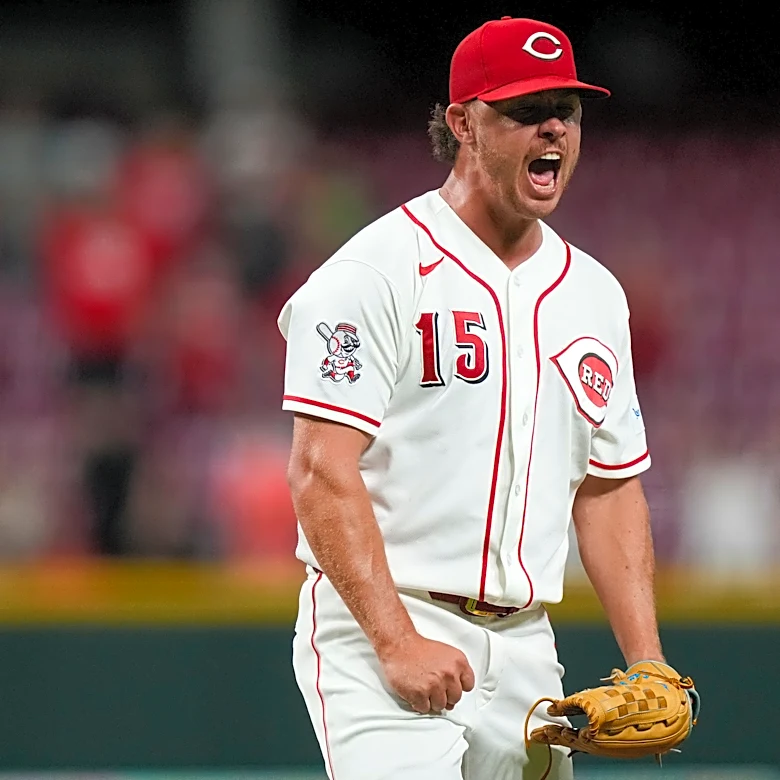
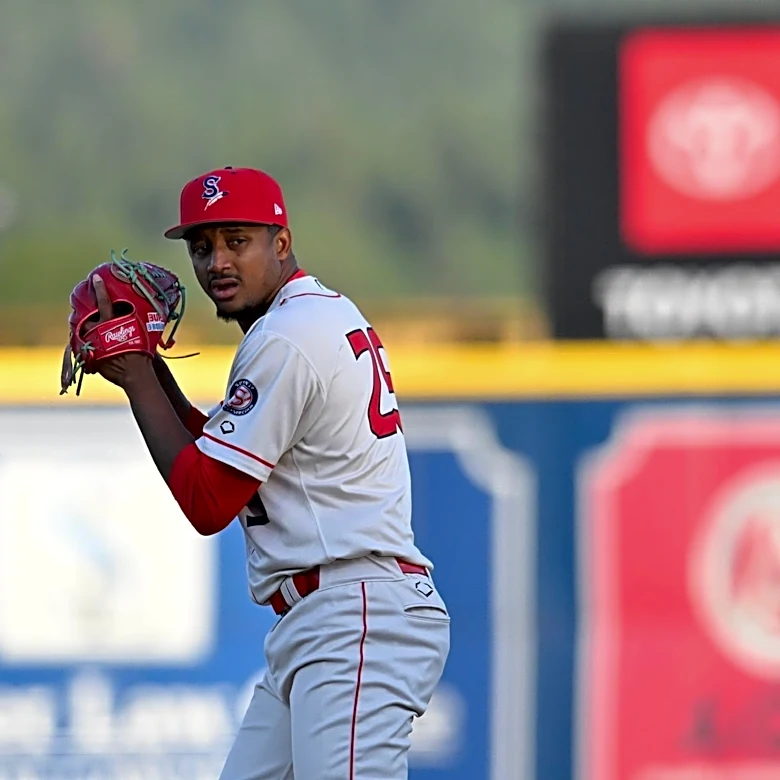
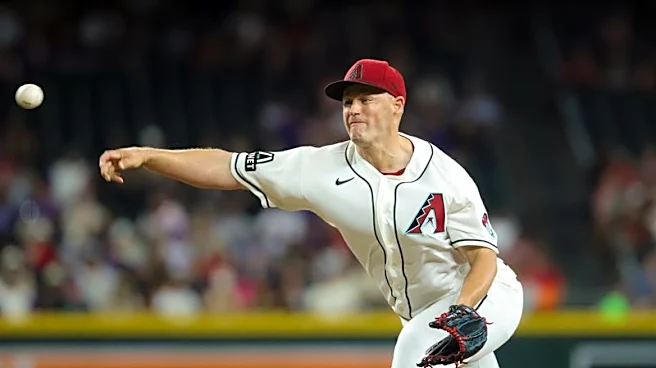
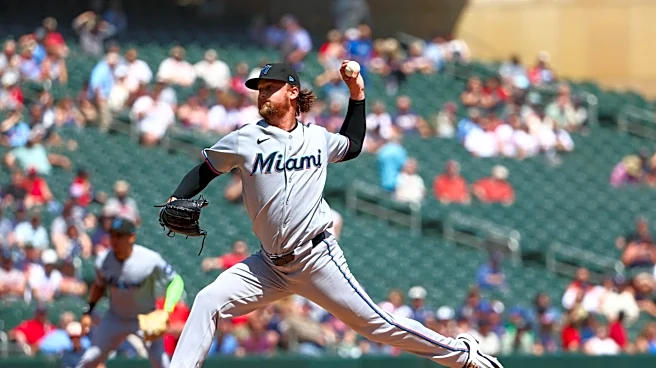
This was inspired by a comment in Monday’s Gameday Thread, where I joked about the horror of pitchers discovering they’d been drafted by the Rockies. kilnborn asked, “Aren’t players traded away from the team that drafted them far more often than they play for that team in the bigs?” I wasn’t able to find out the answer to that question in the obvious places, and it bugged me. In the end, there was only one solution. Dig into the question myself. Fortunately, Baseball Reference lists all the players that debut
for each year – here’s the 2026 list. Particularly helpful, it also lists their original status: drafted or signed as a free-agent, and by which team.
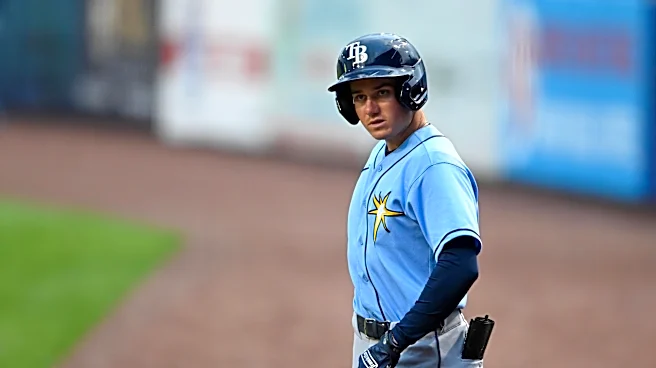
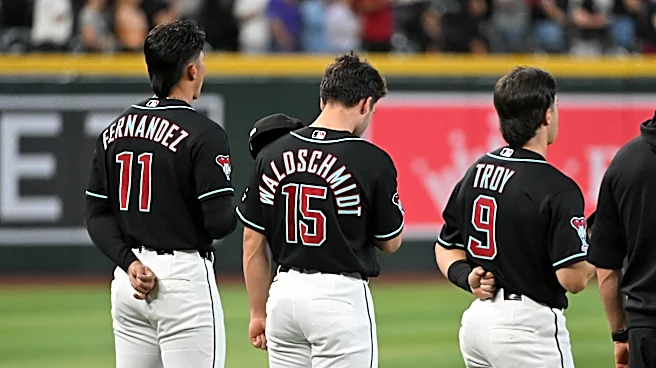
By chance, there have been exactly 200 players this year to have reached the majors for the first time. Arizona have certainly had more than their fair share, with eight debutants (far and away exceeding the over-under expected at the beginning of the season). These have been evenly split between pitchers and hitters. All four of the hitters have been “D-backs since birth”, compared to just one pitcher. At the plate, we’re seen Ryan Waldschmidt, Tommy Troy and LuJames Groover – all AZ draftees – plus free-agent Jose Fernandez. But free-agent Jose Cabrera is the only “native” pitcher. Mitch Bratt, Kohl Drake and Gerardo Carrillo all got started elsewhere.
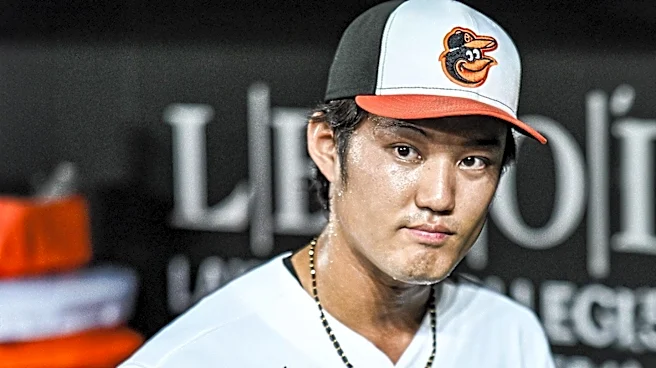
It is probably worth separating free agents from draftees for a couple of reasons. Free agents include players like Munetaka Murakami, who signed with the White Sox just before Christmas. He clearly wasn’t going anywhere before making his debut. But it also includes the youngest of Latin American players. Rodolfo Durán made his debut with the Padres almost twelve years after signing with the Phillies. He also went through the Yankees and Royals organizations on his way, eventually landing in San Diego. The odds of sticking with any organization for more than a decade are probably lower than average.
So, I split them into two groups: free agents (62) and draftees (138) – six actually had a blank status on the page, but digging deeper on them showed one free agent and five draft picks. Three free agents were originally inked by Arizona. In addition to Fernandez and Cabrera, there’s also Deyvison De Los Santos, who signed for the D-backs in 2019, and was dealt to the Marlins at the trade deadline in 2024, as part of the deal for A.J. Puk. All told, 33 of the 62 free agents did debut for the team which signed them – 53%. There were wide differences between teams. Of the six free-agents initially inked by Pittsburgh, only one did so elsewhere.
But the Dodgers, Yankees and Mets combined to sign five players, all of whom debuted for other teams – including Carrillo, originally a Dodger. So, maybe it’s a payroll thing? The theory here would be that large-budget teams are more likely to trade the possibility offered by prospects, for established major-league players, because they don’t have to worry so much about keeping their payroll down. “Poorer” franchises will hold on to these young players because (for the first few years of service time, anyway), they can provide cheaper production than sources such as MLB free agents. Probably needs a deeper dive. While I’m interested, I’m not that interested!
Moving onto the draftees, we see a larger percentage sticking with the team. Of the 138 drafted players to make their debuts in the majors this year, 84 did so for the team who picked them, compared to 54 who arrived with somebody else. That’s a 61% rate for draftees. But I’m not seeing quite the same obvious difference in behavior among the rich teams. The Yankees, Mets and Dodgers all retained fifty percent or better of their draft picks to arrive in the majors. Perhaps draft picks are seen as more valuable than international free agents? Certainly, I imagine the former tend to be more expensive to sign.
But one thing I did notice was that earlier draft picks are much more likely to be retained. 27 players who were picked in the first round have made their debuts in 2026. But only four were for another team than the one who drafted them, led by Braden Montgomery. He was the 12th overall pick in the 2024 draft by the Red Sox, but was traded to the White Sox just a few months later, as part of the Garrett Crochet deal. The other 23 first-round picks, which is an 85% rate, debuted for their drafting clubs, including Tommy Troy and Ryan Waldschmidt. Though less extreme, the same went for second-round picks: 76% (13 of 17) stayed in-house.
Overall, the average draft round for those who remained with the drafting franchise was 4.95. For those traded or left otherwise, it was 9.28. This makes sense. The value of a player increases sharply at the top end of the talent bell-curve, and you need to make the most of them. Of course, don’t tell former Arizona GM Dave Stewart that. He traded away our 2014 (Touki Toussaint) and 2015 (Dansby Swanson) first-round picks before the played in the majors, and then his 2016 selection (Anfernee Grier) never made it above the High-A level. Say what you like about Mike Hazen, the vast majority of his 20 first-round picks since taking over, are still in the organization.
So, what have we learned? Well, bear in mind this is based on a single year of debuts – and not even a full year at that. Expanding the range to cover multiple seasons might tell a different story. But, again: not that interested! If I’d to guess, I think teams are now more aware of the value of prospects, so I think the percentage being held is likely higher now. It also makes a difference that there now are only twenty rounds, not forty or fifty, there’s far less of a long “tail” of prospects who can be traded without much fear, or simply released. But now at least we have some figures, and I’ll be able to sleep tonight…