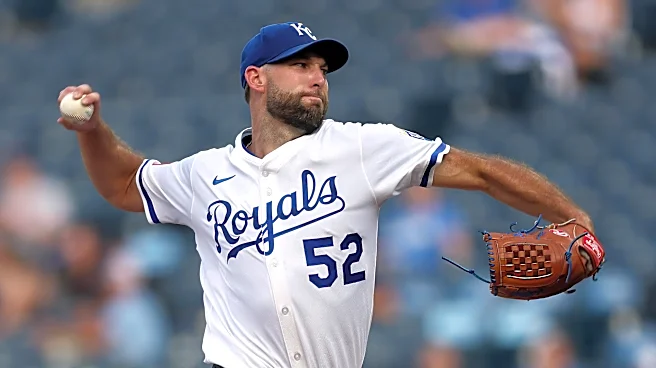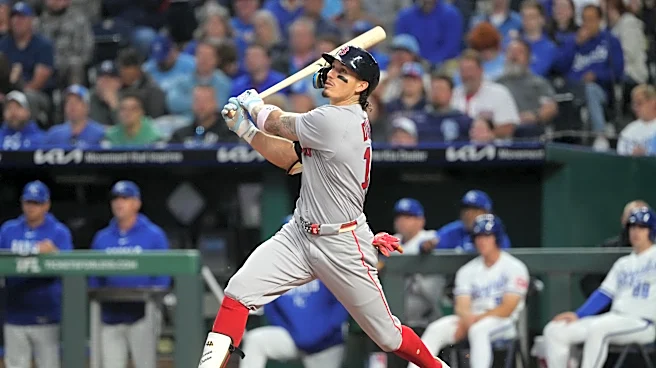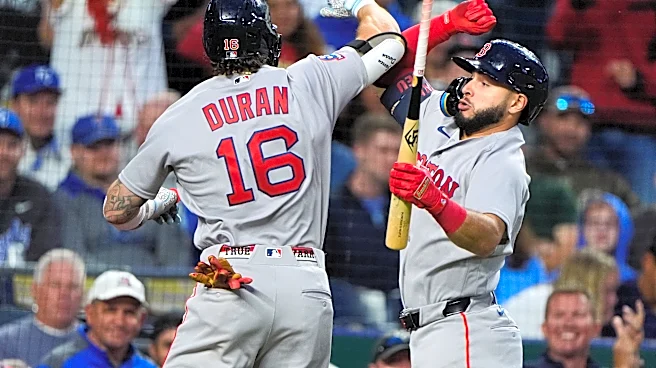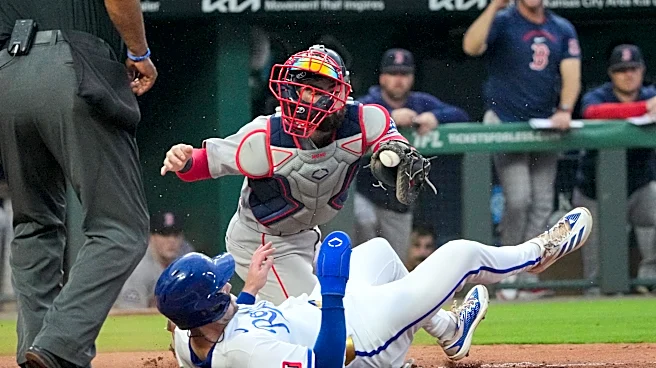






The Kansas City Royals are in midst of an awful streak, having lost 11 of their last 14 games. During the streak, the main culprit has been the offense, as they’ve scored 3.07 runs per game.
Unfortunately, this inability to score runs is also part of a season-long struggle to put together runs. On the year, they are scoring 3.88 runs per game, which ranks 28th out of the 30 Major League Baseball clubs. It is extremely difficult to consistently win baseball games when you can’t score, which is reflected
in the Royals’ record of 20-30.
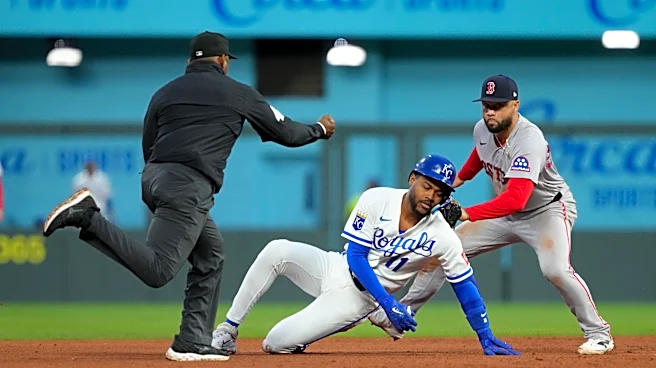
A particularly frustrating aspect of the Royals offense has been the baserunning. They have the fourth-lowest stolen base success rate in the league. They have made the fourth-most non-stolen base outs in the league. Overall, the Royals make outs on the bases at the third highest rate in the whole league.
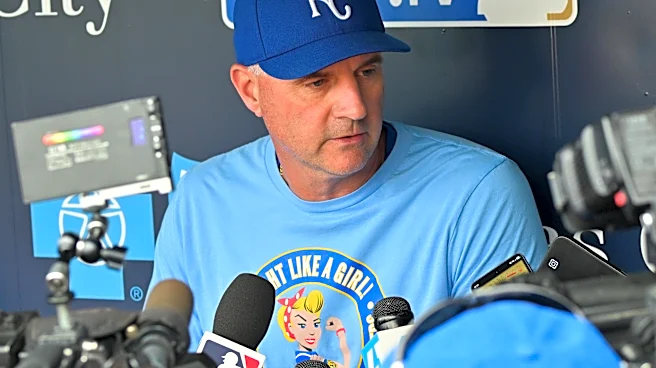
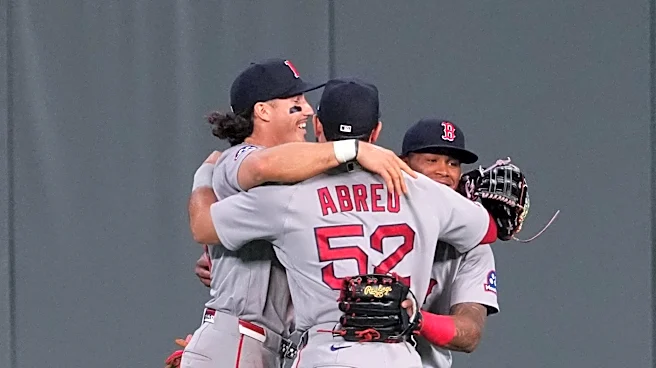
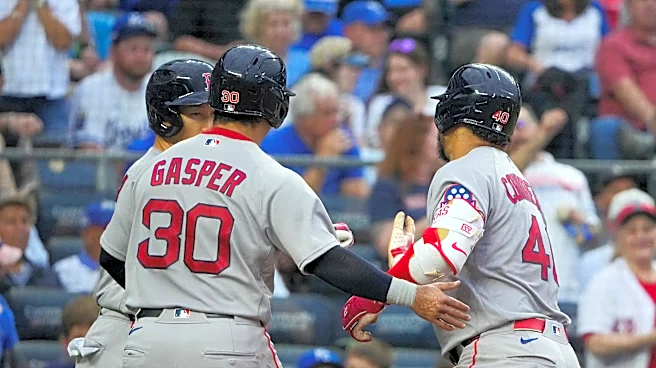
On Tuesday, I was covering the game as a credentialed reporter. It was not a good contest, as the Royals were blown out by the Boston Red Sox. And, somewhat unsurprisingly, Kansas City made a pair of outs on the bases and once again struggled to score. At the end of every game, there is a postgame press conference with manager Matt Quatraro down in the media room outside the Royals clubhouse, and the bad offense and odorous baserunning would surely be topics of discussion.
They were. I recorded the interview, and I have some thoughts. Below is a majority of the interview that Q gave. Everything below is in sequential order, but I will note when I skipped a portion of the interview and what was talked about just for context.
After an initial inquiry about the pitching, we get to the first question about the offense.
Anne Rogers, MLB.com: Offensively you get the run in the first, but what kind of adjustments did they make with Suarez and then the bullpen shut you guys down later?
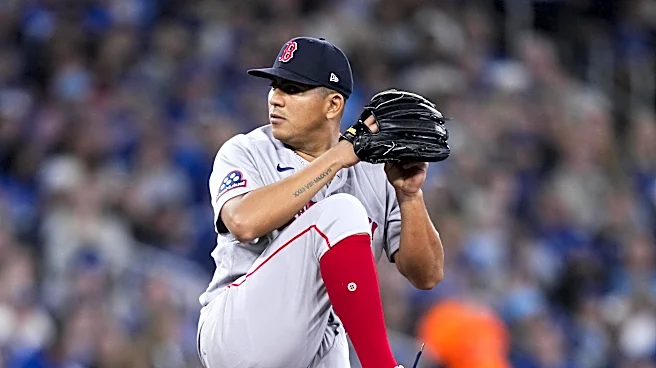
Quatraro: I thought our bats against Suarez were good. I mean, he was at 70-something pitches after four innings. I mean, the guys didn’t expand with him. They laid off some tough pitches. Obviously he puts the ball on the ground. That’s what he does really well. But as far as the competitiveness of those at bats and what the guys got him out of there in the fifth inning, it was working pretty good.
Immediately afterwards, we get into a lengthy discussion about baserunning:
Jaylon Thompson, Kansas City Star: Can you take us through just some of the base running today, particularly Maikel Garcia in the fifth inning and then Lane Thomas later in the game?
Quatraro: Yeah. Well, I mean, start with Lane in the first inning, the hustle double getting to second base, setting up a second and third situation there. So that was a positive from him going hard out of the box. He’s got a green light to steal and in a situation where obviously we’re struggling to score runs, that’s a split second from being him standing up on third. The guy held the ball a split second longer and got us. So that was a tough break there. And Maikel reads the high throw out of the guy’s hand, he launched the throw and the catcher did a good job of throwing him out at second.
Rogers: Just to be clear, you do like that aggressiveness from Garcia going to second?
Quatraro: Yeah. When you read a throw like that, I mean that’s what everybody’s taught to do. You read that throw launch out of his hand like that, you go.
Rogers: I think metrically that you guys grade out pretty well baserunning this year in terms of extra bases taken and some of the stolen bases, but do you feel like those, I don’t know if you’d call those two mistakes tonight. Do you feel like they’re magnified more when you’re not scoring?
Quatraro: Sure. And at the same time you have to try to create some things when you’re struggling to score a run. So with every opportunity there’s also a chance to be thrown out and it feels bad when it doesn’t work out. But at the same time, like I said, like you accentuate the one in the first inning if we come through there and put up a crooked number or maybe the game has a totally different complexion. But yeah, I’m not going to sit here and tell you it doesn’t hurt when it doesn’t work out your way. But at the same time, if you’re trying to be aggressive and make some things, create some opportunities for yourselves on the bases, you got to do that.
Kurtis Seaboldt, 810 Sports: From a philosophical standpoint, can you be too aggressive on the base paths? What would that be?
Quatraro: Yeah, sure. I mean, if you’re just running without any regard for the game situation and those kinds of things, but yeah, for sure.
After some questions about the defense, the umpire review, and some more pitching, we got back to the offense.
Rogers: Just offensively, I know you guys are searching for answers searching for consistency. Where do you think that lies in terms of: Is it approach? Is it the mentality? Is it the personnel? I mean, where do you feel like the answer could be?
Quatraro: Well, I don’t know if there’s one answer. I think the mentality is good. I mean these guys are preparing, their execution, thoughts about the game plan and the approach are really solid. They’re competitive. These guys are between every at bat trying to make adjustments. Unfortunately it hasn’t stacked together. For 10 days, two weeks we were trending pretty good there offensively and then this last week’s been rougher and it’s been a grind, but I mean these guys are good players and with the ability to bounce back and that’s what we’re counting on.
Seaboldt: You’re around the major league average in almost every offensive category with the exception of runs scored. Is that a situation where if those other numbers stay there, the runs will eventually come. It really seems like it’s something you really can’t address.
Quatraro: Yeah. I mean I’m glad you brought that up because yeah, we look at that stuff all the time and even the underlying numbers as far as hard hit and those kinds of things, they are there and it’s just a matter of—I hate saying that just because it’s not that easy, but you know, cashing in some of those opportunities, we talk about that a lot in here, right? You got to give yourself the opportunity first and then you have to figure out how to put that best at bat together when you have it.
And finally, not pleased with Quatraro’s answers so far and wanting to push for a real answer, I asked again about the baserunning at the end of the presser.
Matt LaMar, Royals Review: You mentioned the hustle double earlier. A large part of the attitude of the team is aggression, but the Royals are third in the league in total outs on the bases this year. How do you sort of reconcile with ‘we want to be aggressive’ versus ‘we’re making a lot of outs on the base paths when maybe we don’t have to?’
Quatraro: Yeah. I mean, again, I think not all of those are going to be equal, right? Because some of them are talking about stolen base opportunities. Some of them are talking about things like tonight where the aggressiveness is warranted and some of them were much earlier in the season as well. We need to create opportunities. So we have to try to do things like that because we’re not hitting a bunch of homers. Our offense has to be predicated on some of the aggressiveness on the bases and sometimes you’re going to make those outs.
Thoughts on the interview
The Royals have played poorly all year. They are objectively a poor offense and were an objectively a poor offense last year, when their 4.02 runs per game ranked 26th in MLB. They have objectively ran into a high rate of outs on the basepaths. Their run differential lines up with their actual win-loss record. And they’ve done this while the vast majority of the team has stayed healthy.
All of this is important context, because there is a big underlying question here: why are the Royals bad? What is their plan to improve it? And what do they think about all of this? These are, ultimately, the queries that Quatraro—and by extension the front office, who are in lockstep with Quatraro on important decisions—was posed on Tuesday.
And I don’t know about you, but I get a distinct vibe from Q’s answers, and that vibe is “Yeah, bad things are happening to the Royals in these games, but it’ll all turn around eventually.” This is an extraordinarily frustrating position for the team to take because it feels like an abdication of responsibility. Nowhere in the press conference did Quatraro say that something was a mistake or that the Royals players or coaching need to do better.
From a baserunning perspective, this is clearest in his talk of aggression—that the Royals need to be aggressive and that outs on the bases just happen when you’re aggressive. When I specifically mentioned that the Royals have the third most outs made on the bases, Q brushed it off because “not all of those are going to be equal” and “sometimes you’re going to make those outs.” And from a batting perspective, Q lauded the team’s mentality, preparation, and execution.
But something just doesn’t add up. Bad teams don’t become bad on accident, and yet it feels like the Royals aren’t really convinced that they’re even bad at the things they’re bad at. It would be very, very easy for Quatraro to say something like this about the baserunning: “We want to stay aggressive. It’s part of our identity. But we need to be better at execution.” It’s easy to say about the offense: “Our underlying metrics look good, but at some point you have to perform and we didn’t do that.”
There just seems to be a huge disconnect going on between what the Royals see themselves as and what they are. I worry that the organization operates with too much faith in its own process and too much fear in making a change. Would moving Jac Caglianone and Carter Jensen into the top four spots in the lineup really move the needle? Maybe, maybe not. Would firing Matt Quatraro or Alec Zumwalt really result in better coaching or preparation? Maybe, maybe not. But you’re rapidly approaching the point where the risk for an awful lot of moves is vastly outweighed by the potential reward, and the worst thing the Royals can do right now is nothing.
Nothing, after all, isn’t working.