






The positivity surrounding Sunderland following their promotion-winning 1975/76 season quickly evaporated after a wretched start to life back in Division One. Bob Stokoe’s side couldn’t buy a win for love nor money, going nine league games without victory by mid-October.
Problems were mounting at both ends of the pitch. Sunderland had scored just five goals in their opening nine league games while conceding 13, leaving the newly promoted side rooted to the bottom of the table.
A heavy defeat to fellow
strugglers Bristol City was arguably the worst result of the lot, and despite the enormous goodwill Stokoe had built up among supporters, the pressure was beginning to mount.
To his credit, Stokoe recognised the problems facing his side and took action in an attempt to arrest their alarming slide.
Many of the heroes of the 1973 FA Cup triumph remained at the club, but it was becoming increasingly apparent that some familiar faces might have to make way if Sunderland were to turn their fortunes around.
Stokoe spent £350,000 on new signings during September and October, bringing in Bob Lee from Leicester City, Barry Siddall from Bolton Wanderers and Alan Foggon from Manchester United.

The arrival of Siddall was particularly significant, as it effectively brought the curtain down on Jimmy Montgomery’s Sunderland career. The legendary goalkeeper made his final appearance against Manchester United in the League Cup in early October.
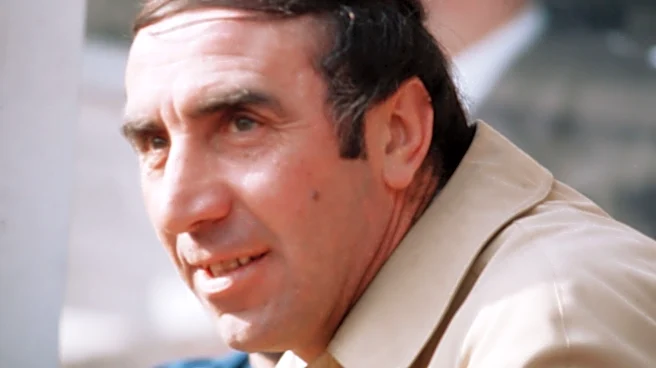
According to newspaper reports published on this day, Stokoe’s resignation came as a shock, although the Liverpool Echo suggested that rumours of his potential departure had been circulating since the previous summer, with the pressure reportedly taking its toll.
Following another goalless display and defeat against Aston Villa, Stokoe finally decided enough was enough and offered his resignation to the Sunderland board.
His departure brought the curtain down on one of the most remarkable periods in Sunderland’s history. Under Stokoe, the club had gone from Second Division outsiders to FA Cup winners, capturing the imagination of football supporters across England and beyond.
Perhaps the time had come for a change, but whatever the circumstances of his departure, Bob Stokoe’s place in Sunderland folklore was already assured.