


Are Portland Fire fans the happiest in the WNBA?
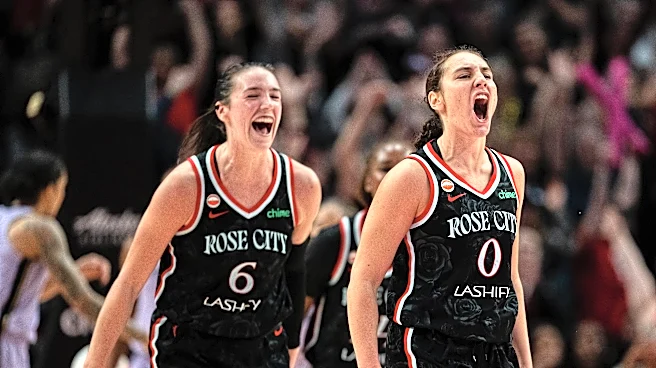
A quick stroll through the social media streets of WNBA fandoms suggests that, outside of newly-crowned champion Golden State Valkyries, Fire fans are satisfied with state of things after their 17-win (re)debut season. In fact, there might be more irritation and anxiety percolating among Golden State supporters, already analyzing their repeat chances, than those in Portland.
That’s the benefit of rationality.
While most WNBA teams are too eager to establish
win-now expectations, the Fire adopted the opposite approach. They didn’t sign big-name stars. They didn’t talk playoffs. They didn’t get swayed by a surprising 3-3 start.
Portland committed to a slow burn, prioritizing developing cultures and systems over chasing wins or grabbing headlines.
Process trumped results, resulting in a team that, even after finishing 10 games under .500, enters the offseason in a great spot. And, it’s one that could get even better.
So, let’s take a look a what Portland got right in 2026, in addition to the opportunities that await for 2027. In the comments, share your thoughts on the Fire’s first season, as well as how they should approach their second one.
Portland’s coach and players proved to be a perfect match

One of the lessons from the 2026 WNBA season is that coaching matters.
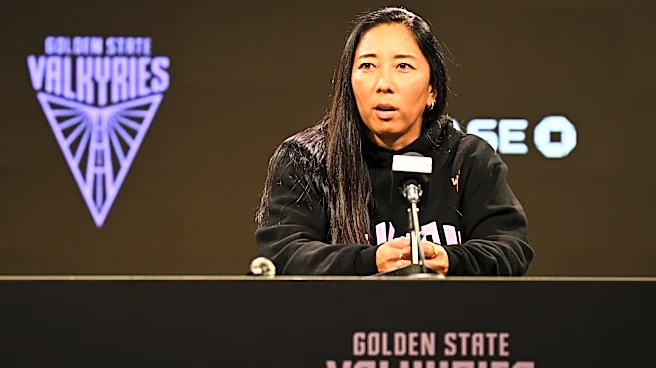
Natalie Nakase, head coach of the champion Valkyries, is the exemplar, and Alex Sarama stands right behind. The Fire got the hire right, as Sarama’s innovative approach both aligned with and amplified Portland’s overall organizational vision.
Sarama deserves credit for not only introducing new developmental methodologies and different tactical emphases to the WNBA, but also for earning instant buy in from players. Plenty of coaches have good ideas, but are unable to convince players to embrace them. Others might be able to inspire, yet lack the tactical acumen needed for sustained on-court success. Sarama, however, appears to have successfully wedded the analytical and interpersonal, with the number of Fire players who enjoyed career-best seasons serving as the surest evidence.
Take your pick of Portland players.
Carla Leite? The Most Improved Player runner up is the headliner. The No. 3 overall pick in the expansion draft, Leite, in just her second WNBA season, elevated into the unquestioned show runner in Portland, combining her crafty ability to get to the basket and draw contact with an improved 3-point stroke.
Bridget Carleton? Selected No. 1 overall in the expansion, Carleton tapped into the primary scorer role she had shown off overseas and with the Canadian national team, but never in her prior seven seasons in the W. The increased offensive load also was paired with an uptick in defensive playmaking.
Megan DiLeo? While no longer going by Gustafson, DiLeo looked a lot more like the Megan Gustafson who earned National Player of the Year honors at Iowa than she had in her previous WNBA stops. With more usage, DiLeo displayed the kind of scoring efficiency that made her a heralded college player.
Emily Englster? Always possessing an intriguing package of skills as she bounced around the WNBA, Engstler finally found her niche with the Fire, unleashed as a disruptive defender while emerging as a more functional offensive cog.
Sarah Ashlee Barker? The steal of the expansion draft, Barker appeared poised for a big-time breakout, as she was empowered to score in ways she never got the opportunity to as a rookie with the Los Angeles Sparks. An ACL tear robbed her of what could have been a special season, as she scored two game-winning baskets in her 26 games played.
With all that improvement from key contributors, plus intriguing flashes from rookies like Frieda Bühner and Serah Willams, it sounds like Portland should have secured more than 17 wins.
While the Fire optimized players to thrive in their roles, other roles went unfulfilled, as Portland, in particular, lacked requisite defensive size. That personnel deficit left them vulnerable on the glass, as well as without adequate rim protection. Portland, therefore, opted for an aggressive scheme that, in games when it clicked, could frustrate some of the league’s best offenses, but, more often, could not sustain for 40 minutes.
The organization, clearly, chose to cultivate an identity on the offensive end first. And that approach separated them from the league’s other non-playoff, many of which featured more talent, but often played in ways that made less sense.
The Fire’s offseason approach will reveal a lot about their future

What’s the next step for Portland?
After a more successful than expected expansion season, the organization can only build so slowly and steadily. Expectations, from inside and outside the organization, will accelerate.
And that’s especially true if the 2027 WNBA Draft Lottery puts them in position to draft a top prospect. It would be quite interesting if the Fire get the No. 1 overall pick. How would the organization choose to build around, presumably, JuJu Watkins? Would such a special talent encourage Sarama to abandon or adapt his preferred systems? Or, would Watkins be incorporated within, rather than above, the organization’s offensive and defensive approaches?
Portland, however, might already have a singular star on the way for 2027 in their 2026 first-round draft pick. Hello, Iyana Martín!
Drafted No. 7 overall in the 2026 WNBA Draft, Martín delayed her WNBA debut, prioritizing training with the Spanish national team for the 2026 FIBA World Cup.
That paid off.
Martín received the tournament’s Rising Star Award as she and Spain won bronze. The fourth-highest scorer in Berlin who notched 17.5 points per game on almost 55 percent shooting and 45.5 percent from 3, Martín played with a pizzaz and passion that should have Portland fans excited.
Will Martín and a lottery pick be the only pieces Portland chooses to add ahead of 2027? Or, will they pursue other upgrades? The Fire project to have the most salary cap space in the league, and based on the organization’s early track record of bringing the best out of players, Portland could attract the interest of free agents.
But, how interested will the organization be in such free agents?
The one concern about Portland’s chosen team-build path might be the organization getting too high on their own supply, investing and reinvesting in their cultural fits over seeking superior talent. (Of course, a similar concern could have been levied at the Valkyries ahead of the 2026 season. Turns out, they knew what they were doing!)
In short, we’ll learn a lot about Portland this offseason.
Their team building approach, at least thus far, suggests it will continue to be a slow burn, with moves that spark little interest within the wider WNBA offseason conflagration. However, the Fire do have the simmering potential to do something explosive.