



As a sports fan growing up in Los Angeles, I thought I knew a thing or to about fan bases with lofty expectations. I was, after all, living in the land of the Lakers, where the sports radio – powered in part by what I felt were unrealistic expectations by the callers – was so toxic, that I basically swore off most commentary programs. I guess we should cue up that Taylor Swift diddy and indicate that, yes, it’s me, I am the problem.
But even without the experience of growing up with the expectations
of Lakers titles within some lean years – a caveat being that the Lakers should have been able to make more out of those Nick Van Exel teams – there’s enough to look at around the US-ian sports landscape to point to fan bases that expect success year on year: the Yankees, the Celtics, the Warriors, the Patriots, and for a time, the Niners. Dynastic teams that were successful enough during times I was paying attention that I would see fandoms develop what I felt to be an insistent, almost arrogant expectation of winning the title.
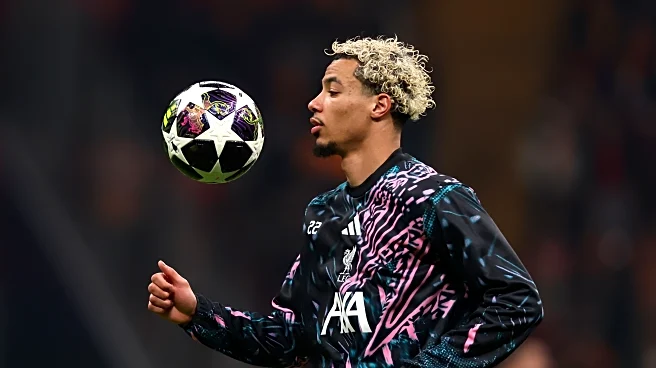
Following a Premier League club, let alone one that is considered among the most historic and successful in the history of the European game, has proven to be an entirely different scenario altogether. You see, when I became a fan of Liverpool, I joined up right when the club decided to name Roy Hodgson as the coach. Yes, I am a Child of the Hodgepocalypse and even though I understood that Liverpool were the second most decorated English side (at the time) and the most successful English side in Euope, I never experienced a Liverpool that could deliver on that. At least, not until Klopp arrived.
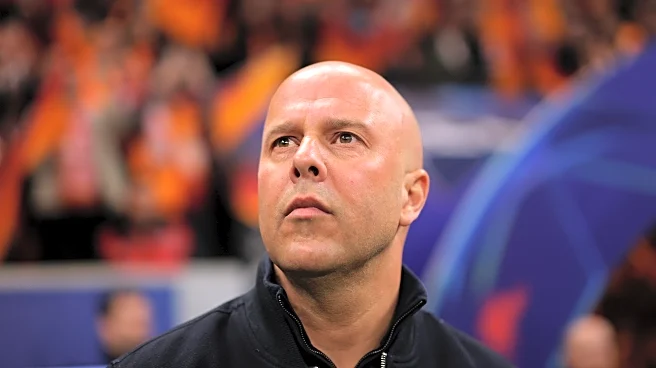
This is a long pre-amble to say that, yes, expectations at Liverpool are different than at nearly any other club in the Premier League. And Arne Slot, when asked about it during the pre-match presser, said as much.
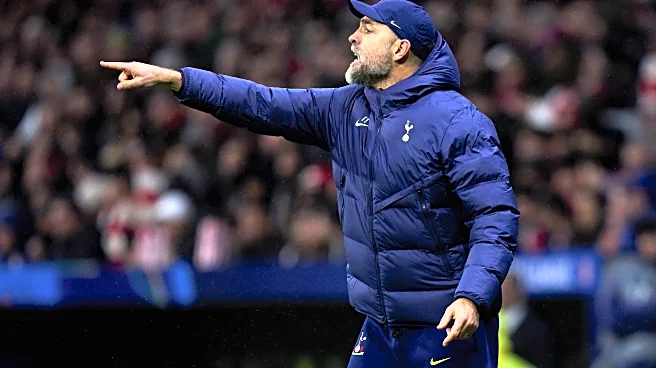
“I think if Tottenham would be No.1 in the league at the moment, every fan would expect us at home to win. And that is if we play against Man City, that’s when we play against Arsenal, that’s every game this club plays at home: we’re expected to win. That has nothing to do with the form of the other team or where they are in the league or the quality they have. We can win our 1,500th [league] game at home, so expectations come from history and history has shown that this club has been able to win a lot of games, let alone home games. So, it doesn’t matter who we play, who we face, expectations are always sky-high at this club, and that’s what we are embracing because that also means, as I said before, that this club is able to win things. That’s what we’ve done in the past few years and in history as well.”
There’s a sort of clarity here. One that I’ve been loathe to accept as a fan – mostly because I’d rejected it so many years ago at the height of my sports commentary consumption. But I guess a part of growing older is also relenting: these expectations, as untethered to reality as they may be, are part of what comes from the type of success delivered by Liverpool over its nearly 134 years of existence.
I guess the paradox here – that one can both expect success while also graft for it – is the tension I’ve struggled with. I don’t enjoy walking into a space and feeling entitled to anything. But the level of play that fans have come to expect over that same period is real and it’s been seen across multiple decades now. Titles have come in just about every era since Bill Shankly revolutionized the club. Liverpool have found a way to win in these decades which, in some way reaffirms that inevitablity.
It also means that when the football isn’t up to that standard, the fans understandably get restless. Which is, unfortunately, where we are. It is an indictment of the state of the club that we are less than 24 hours away from a match against an opponent that is in such dire form but do not as observers have a clear sense of what version of Liverpool will turn up.
And, I guess, sitting with this new found clarity has oddly presented another, more sinister question: what if this iteration of Liverpool is all this collective really is?
Expectations are sky-high, yes. But that’s partly owned by the results garnered – some as recently as last season with large portions of this team involved. We’ve got two more months left in this season. As Slot notes in that interview, the team will have to give it their maximum to take the maximum of what’s left and, perhaps, salvage what increasingly feels like a wasted season.