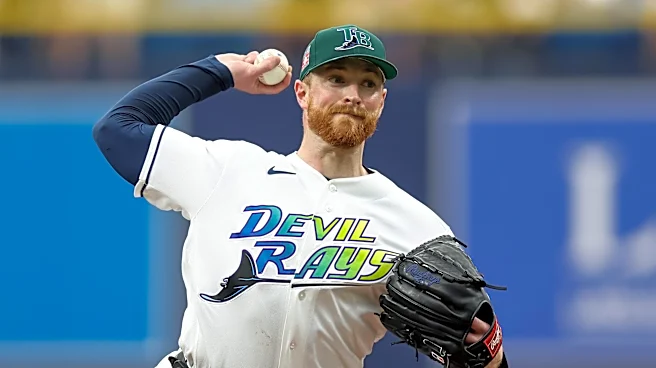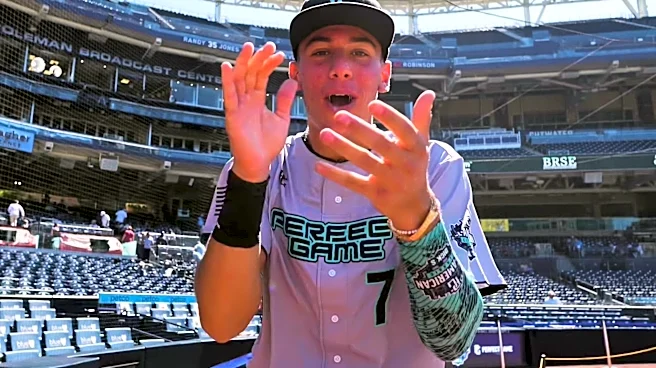

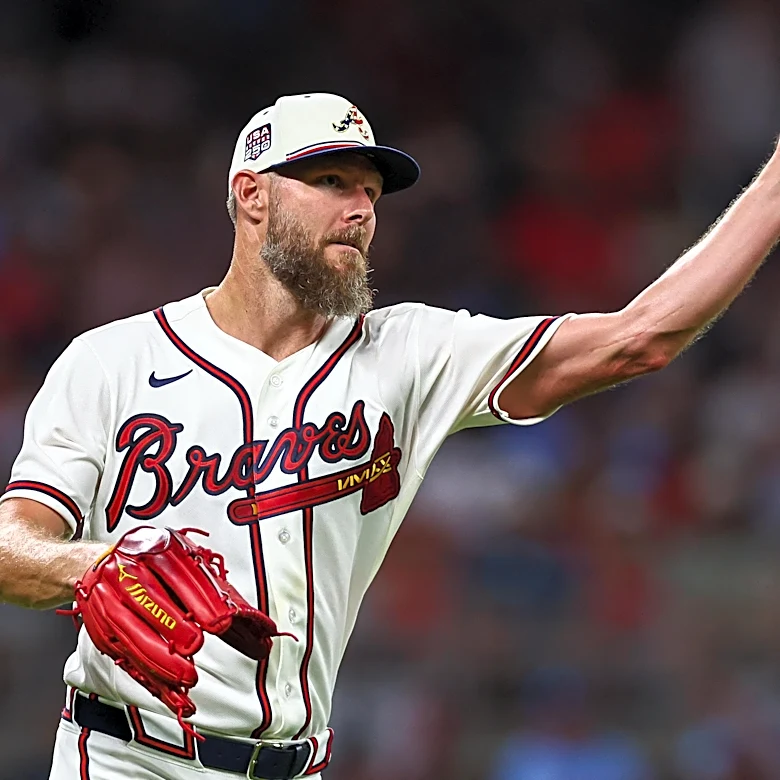





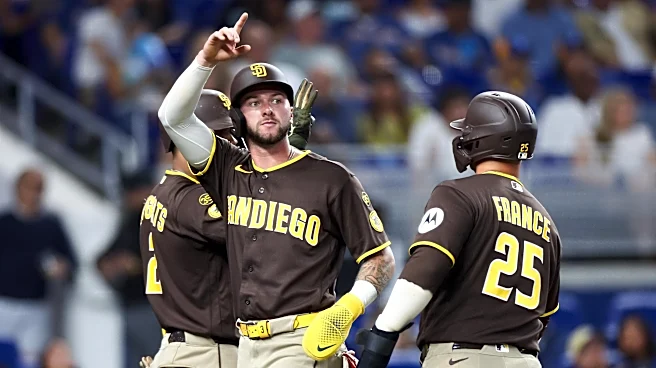
Pitching development has been the Red Sox’s bread and butter under Craig Breslow. Since Breslow took over, the organization has invested heavily in the pitching pipeline. In his first two drafts, 28 of the team’s 41 picks were spent on pitchers — 29 if you count two-way player Conrad Cason. At the major league level, Hunter Dobbins, Richard Fitts, Payton Tolle, Connelly Early, and Jake Bennett have all contributed after spending time in the system.
This season, the draft was more balanced, but several
pitchers were still selected in the middle and later rounds. One of them was left-hander Brett Lanman out of Abilene Christian University, selected in the fifth round. Lanman, like many of the pitchers acquired by Breslow during his tenure as Red Sox Chief Baseball Officer, is huge. He’s listed at 6-5, 230 pounds, and uses that frame to extend down the mound and help his pitches play up. While no two pitchers are the same, he’s excited to get to an organization with a recent track record of getting young arms to the major leagues.
“I’m ready to get to work, cause these guys know what they’re talking about,” Lanman said. “They’ve developed these guys, and they’re in the big leagues. It’s like, man, they know, they know what it takes to get a left-handed pitcher into the big leagues pretty quickly.”
Draft picks, to an extent, are lottery tickets. It’s incredibly rare for a draft pick to enter the league as a major league-level talent. Paul Skeneses (Skenesi? Skenes?) don’t grow on trees, and if they did, they’d all be first-round picks. Lanman, as a fifth-round pick, is far from a finished product. If he were, his ERA in his final season at ACU likely would have been lower than 5.35. The Red Sox didn’t select the lefty because of his college results. They picked him because of who they believe he can become.
Potential is based on traits, such as being huge and left-handed. Lanman is both huge (6-5, 230) and left-handed. He also has a low release point and plus extension, creating a flat attack angle for his fastball. Most starting pitchers who succeed have a fastball as the foundation. Lanman knows that his heater is what’s brought him this far, and that’s what the Red Sox will want to build upon.
“I’m gonna attack you with my fastball, and my fastball’s my best pitch. That’s pretty much why I’m here right now in Florida with the Red Sox is my fastball,” Lanman said.
Right now, he averages about 92 mph and has topped out at 95 mph. Many pitchers who enter the Red Sox organization see immediate velocity gains. The team typically sends pitchers to the complex in Florida after the draft and only has them appear in games with a minor league affiliate the following season. During that time away from competitive action, they’ve been able to help pitchers add velocity.
“I definitely got more [velocity] in me. I just need someone to help me unlock that, which is hopefully the right organization here … Like I said, they’ve proven it in the past, so why not me? Add another name to that list,” Lanman said.
Payton Tolle, Connelly Early, and Jake Bennett are all left-handed pitchers who made significant strides under the current front office. It’s looked different for each of them. Tolle flew through the minor leagues, while Bennett made the jump from Triple-A to the major leagues after a short time in the system. Regardless, the recent track record of developing pitchers is strong. For Lanman, that likely comes in the form of adding velocity and finding secondary pitches to complement his heater.
He currently throws a cutter, curveball, and changeup, though none of his secondary pitches are particularly polished. He’s toyed with Trackman data and looked into analytics for himself in college, but is open to whatever ideas the coaches want to try, citing their physics and biomechanics aptitude.
“My goal here is to just soak everything in, and if they want to try something, I’m gonna say ‘let’s do it,’ and go for it,” Lanman said. “I trust them. They’re very credible. They’ve done it in the past … whatever they think will get me to that level, I’m gonna do it.”
The fifth-round draft pick is far from a lock to contribute at the major league level. No draft pick is. He’s built in the archetype that the Red Sox have had success developing, though, and has a chance to be the next pitcher to make headlines in the minor league system.