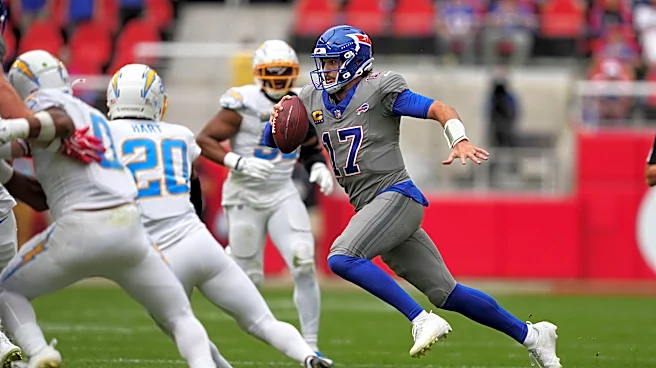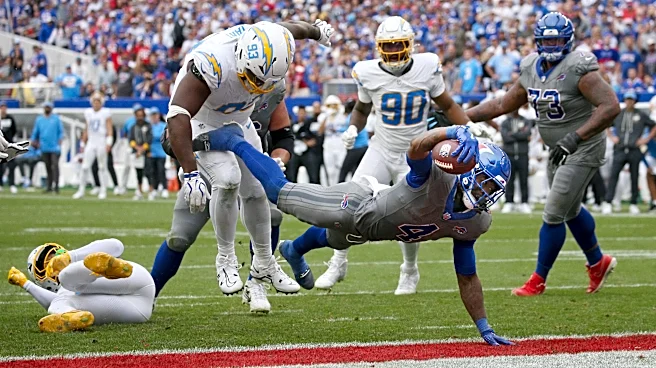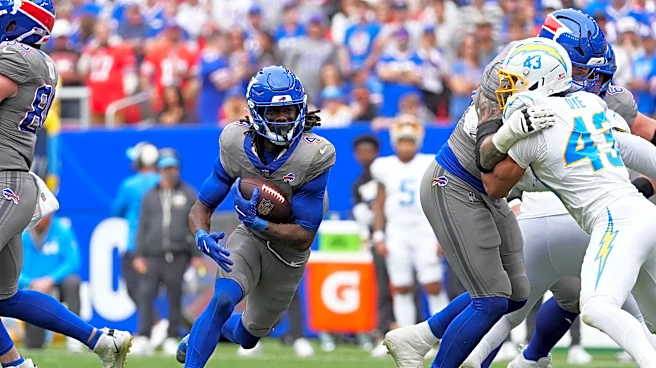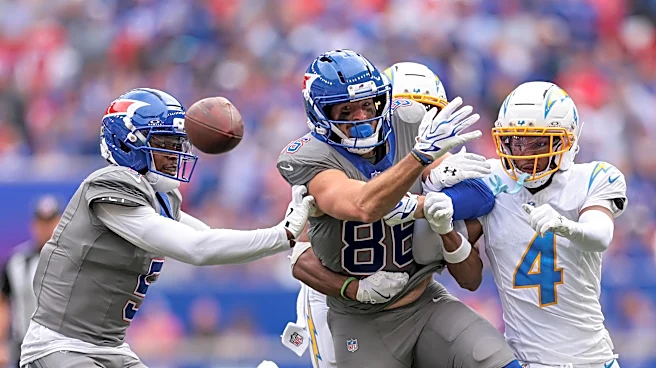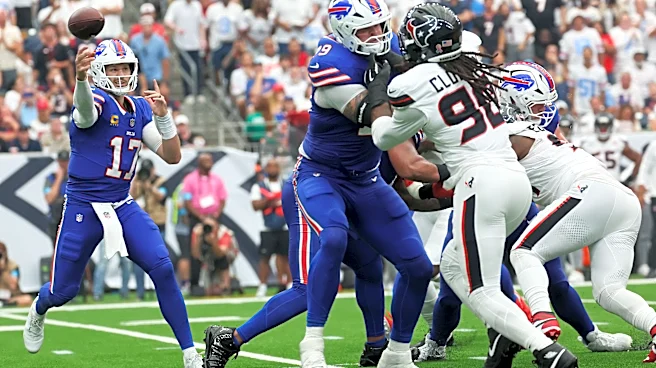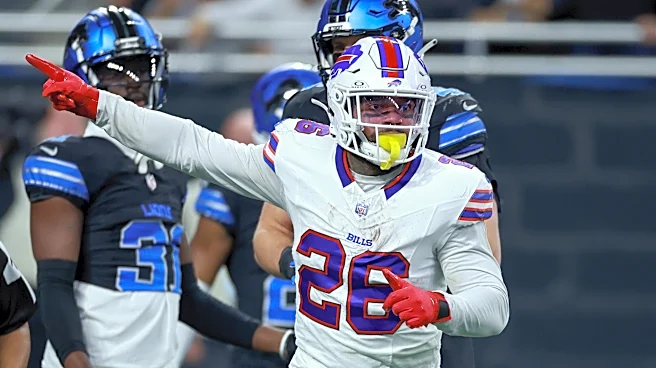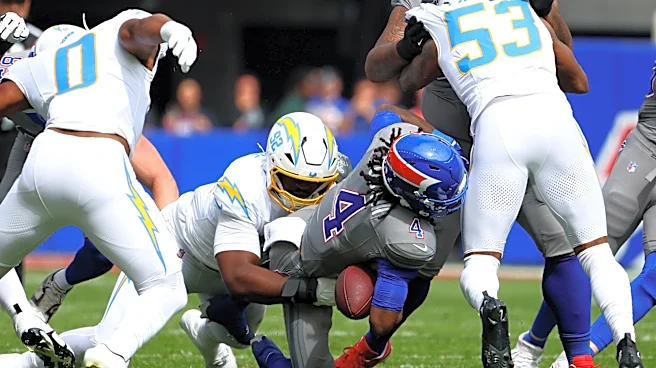


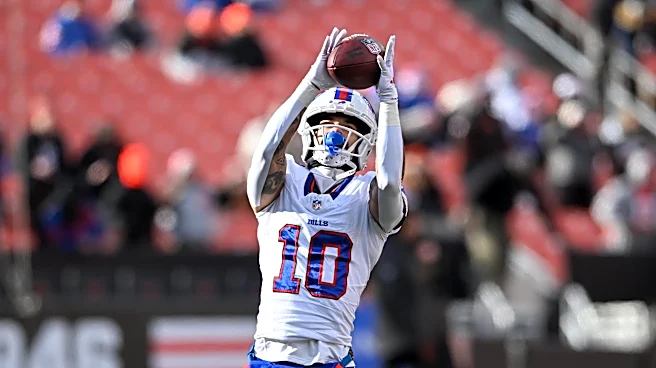
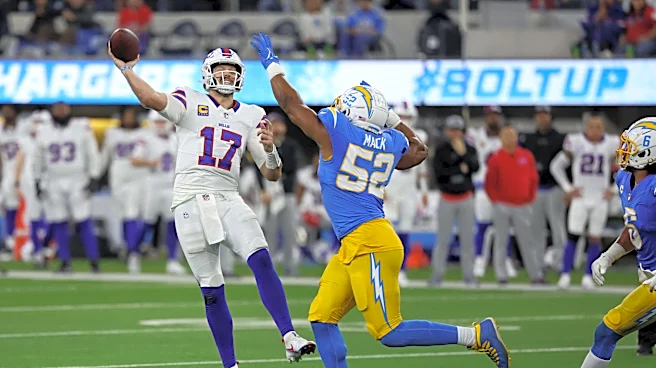
On the first play from scrimmage in Week 3 against the chargers, Buffalo Bills running back James Cook had his second fumble of the season. Should the Bills be seriously concerned about his recent fumbling issues?
I wanted to investigate whether or not fumbles are fluky. To do so, I conducted a study using 25 years of nflverse play-by-play data. So we’re talking from the beginning of the 2001 season through last year, in the regular season.
What I found was this; for running backs, the league-wide
fumble rate in this enormous sample was right around 1.01 fumbles per 100 touches.
And the year-to-year correlation coefficient for fumble rates of all the qualifying running backs in the study (100-plus touches) was only 0.197, darn close to a 0.0 coefficient, which indicates zero relationship, or more straightforwardly, complete randomness. Fumble rate year-to-year is largely very noisy. One season is not very predictive of the next.
However, that’s not where my study ended.
From the most fumble-prone to the least-fumble prone, I wanted to gather the fumble rates of all running backs in one season then track fumble rates the following season. Essentially, this was the regression-to-the-mean test. Here are the results:
Clearly, regression to the mean is very real here.
The most fumble-prone running backs in Year 1 nearly cut their fumble rates in half the next season, while the least fumble-prone running backs in Year 1saw a 10-fold increase in their fumble rate the following season.
But the 1.24% fumble rate from the originally most fumble-prone group was still higher than 0.83% from the initially least fumble-prone collection of runners.
That means that, yes, the more fumble-prone backs do tend to continue to fumble a bit more than the least fumble-prone runners, but over time, the difference in their fumble rates gets smaller.
Heck, even just check the difference in range from the Year 1 rates to the Year 2 rates for the whole sample. It’s significantly tighter and less spread out in the second season.
In his NFL career, counting the postseason, Cook’s fumble rate is 1.25 per 100 touches. Since the beginning of 2025, when the fumbles have felt more frequent, his fumble rate has jumped to 2.01 per 100 touches. Before the 2025 campaign — so in the first three seasons as a member of the Bills — his fumble rate was 0.80.
Cook does have eight fumbles in his last 14 games (counting playoffs), which sounds the alarm bells for many. And I get it. That’s a high rate (would place in the top 20% of the study). We can’t totally dismiss it as random.
But historical fumbling data is quite favorable to Buffalo’s star. Running backs with high fumbling rates — like Cook since the start of 2025 — have enjoyed major regression to the mean eventually. Now, do I know exactly when that regression will begin for Cook, when he’ll start fumbling less? No. But I’m going to lean on 25 years of data to predict it will start happening.
Great news for Cook, and the Bills offense ahead of Week 4’s contest against the Patriots.