




It’s another night here at BCB After Dark: the grooviest hole-in-the-wall for night owls, early risers, new parents and Cubs fans abroad. Come on in out of the heat. The dress code is casual. We’re always glad to see you. We’ve still got a few tables available. Enjoy a cool drink. Bring your own beverage.
BCB After Dark is the place for you to talk baseball, music, movies, or anything else you need to get off your chest, as long as it is within the rules of the site. The late-nighters are encouraged
to get the party started, but everyone else is invited to join in as you wake up the next morning and into the afternoon.
Last night, I asked you what was the best first-round pick in Cubs history. There was a clear winner in Kris Bryant, who got 53 percent of the vote. That makes sense as he was tied for the second-lowest pick in Cubs history as the second overall pick in the draft. Shawon Dunston was the only first overall pick in Cubs history and Mark Prior and Joe Carter were also second picks in the Draft. Also some guy named Terry Hughes in 1967.
On Tuesday nights I don’t do movie stuff, but I always have time for jazz. Now is that time.
Tonight we’re featuring Grammy Award-winning vocalist Samara Joy singing “Spring Can Really Hang You Up The Most” in New York on June 28 of this year.
Welcome back to those who skip the music.
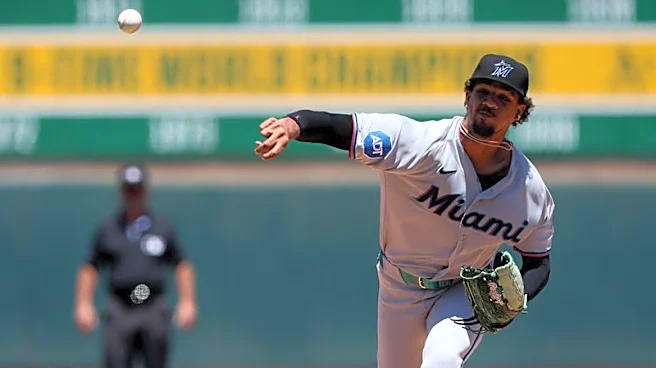
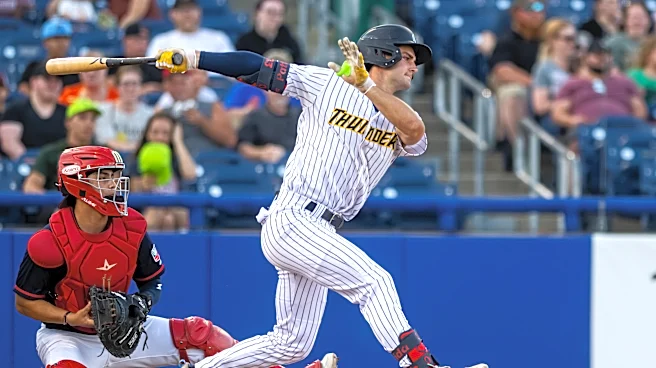
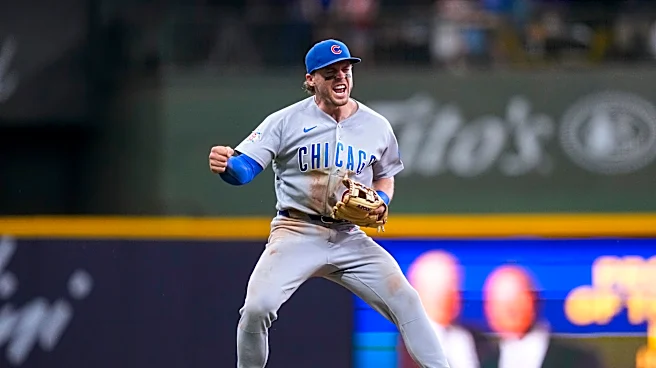
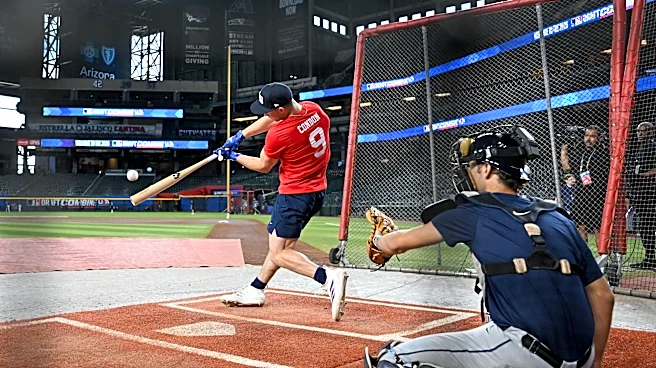
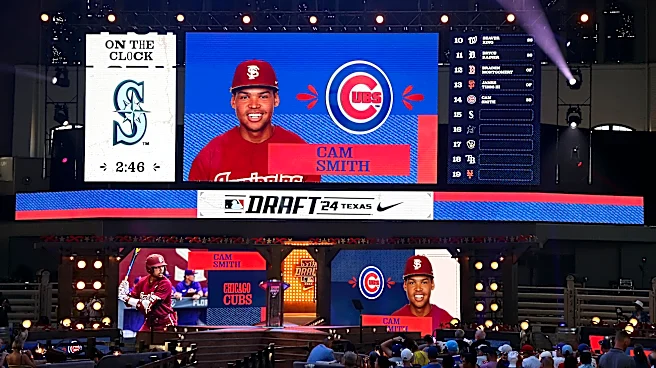
As we approach this Saturday’s MLB Draft, I thought I’d ask you who you think the Cubs should select in the first round with the 23rd pick. Of course, I can’t promise any of these players will be available at 23, but all of them are ranked between the 25th- and 37th-best draft prospect by Baseball America and between 17th- and 40th-best by MLB Pipeline. All of them are college players, because the Cubs only very rarely take a high school draft prospect in the first round.
Those lists, of course, do not match the lists that the Cubs or any other team have drawn up in their draft room. Some of these players also have “helium,” meaning that either BA or Pipeline thinks they’re higher on some draft boards today than when these lists were first published. So don’t take any “rankings” as gospel.
All of these players probably won’t be available at 23, but at least one of them should be and likely more than one.
Additionally, when a team’s first pick is at 23, they aren’t going to get a player who doesn’t have flaws or question marks. Any high-ceiling, low-risk player will be taken in the first five picks. So what I’m asking is what kinds of flaw are you willing to accept? How much risk will you take on?
Because I don’t think that most of you are familiar with these players and to keep the players anonymous. However, I’m guessing that those of you who follow the college game will be able to guess who they are in the comments.
So here are the choices:
Player one is a left-handed pitcher from a Big Ten school. After two years of both starting and relieving, he had a breakout season as a starter his junior season. His best pitch is his nasty curveball but he also has an above-average change. He’s not a high-velocity pitcher with his fastball topping out at 93. He’s a pitchability lefty who could move to the majors quickly. He also has a clean injury history.
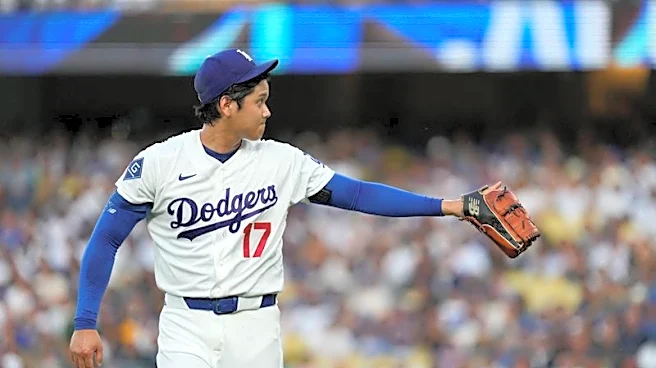
Player two is a tall hard-throwing, lefty at an SEC school. He missed almost all of his freshman and sophomore seasons with a stress fracture in his elbow. He returned his junior season and dominated with one of the highest strikeout rates in college ball. His fastball averages 95 mph can touch 98, but his best pitch is a hard, power slider. He has an OK curve but he needs to work on his change. Player two has a high upside, but a lot of injury risk and bullpen downside.
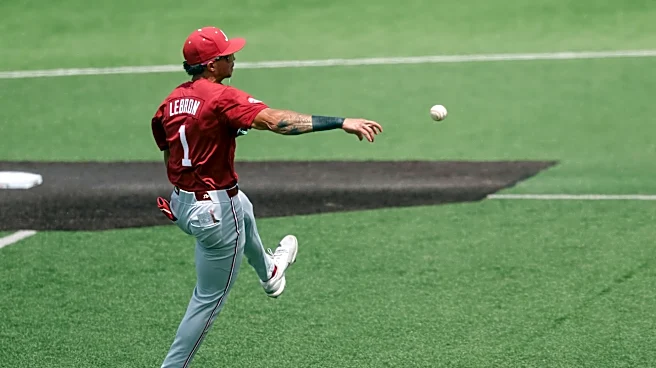
Player three is an ACC outfielder with some terrific contact and hard-hit rates. He makes good decisions at the plate, leading to fewer strikeouts and lots of walks. He’s also a very good athlete with plus speed and lots of stolen bases. Despite that, his arm is weak and is likely to end up in left field, where he played in college, although center field is a possibility. While he is big enough and strong enough to hit for power, his current swing path doesn’t get much lift on the ball, so his power potential could be quite limited. Player three could move up the system quickly, as long as the Cubs don’t try to adjust his swing for more power.
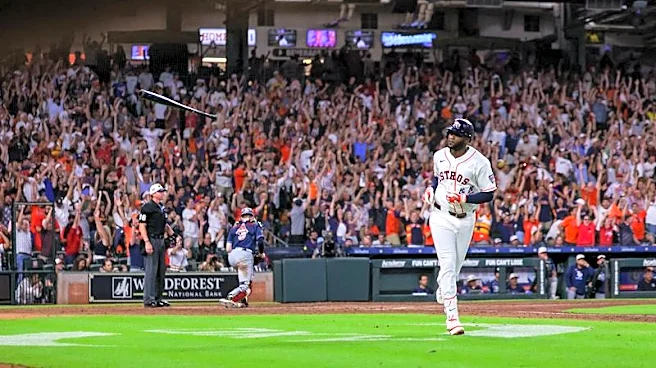
Player four is an SEC catcher. He was a monster at the plate, winning the SEC triple crown. He has easy power to all fields. Player four also has good speed, not just for a catcher, but good speed overall. He was the first Division I catcher to ever have 25 home runs and 25 steals in a season. The downside on player four is that there is an above-average amount of swing-and-miss in his game and that weakness could be exploited by better pitching. Player four also struggled in the wooden-bat Cape Cod League. He only moved behind the plate full-time his junior year, so he’s still quite raw and inexperienced back there. Many doubt that he can stay behind the plate as a pro, although most think he can play left field in that scenario. Leaving him at catcher would likely mean a slower trip through the minors.
So knowing what you know, if these were the Cubs’ four options at 23, which one would you take?
Thanks a lot for stopping by tonight. Please get home safely. Call a ride if you need one. Please stay cool out there. Recycle any cans and bottles. Tip your waitstaff. And join us again tomorrow evening for more BCB After Dark.