



I have said it before. I will say it again.
There are different types of bad teams in the NFL.
For much of 2025, particularly at the end of the season with Brady Cook at quarterback, the Jets were a comedically mismatched bad team. They didn’t have the talent or the coaching necessary to be competitive with practically any of the other 31 teams.
In 2026 the Jets are also a bad team, but they are a different type of bad.
The talent level is better. Of course, that isn’t saying much. The Jets could be putting
practically any sort of roster on the field and still be much better than what we saw at the end of last season.
The 2026 Jets still rank fairly low on talent relative to the rest of the league. That is particularly true on defense. I’m not sure many of the players who took the field in yesterday’s game against the Las Vegas Raiders would see much playing time on a Super Bowl caliber defense. Even most of those who would make the cut almost certainly would have smaller roles than they have with the Jets.
There are any number of reasons the Jets are so low on talent on the defensive side of the ball. Teams do have to prioritize which areas they want to improve first in a rebuild, and the Jets have sunk many resources into their offense. There also have been a number of personnel miscalculations, particularly in free agency in 2026. I would also argue that the way the defense was built shows fundamental flaws. The pass rush seems entirely structured around one player, David Bailey, a developing rookie. We have seen the sort of up and down season we might expect from a rookie. When said rookie is out of the lineup, it makes things even more challenging, impossible even.
Things look brighter on offense where the Jets do have a number of young players showing real talent, but on the whole it would be fair to state that this remains a roster closer to the bottom than the top.
Teams like I just described can still win in the NFL. It requires them to be opportunistic. They need to find ways to equalize games. Being efficient in the red zone on offense and stingy in the red zone on defense is important. Ditto to protecting the ball and forcing turnovers. Playing top notch special teams also helps a lot. And through these things and more, quality coaching has a way of making up the gap.
Unfortunately, the Jets are poor in most of the aspects I just mentioned. Avoiding turnovers is really the only thing they are doing well at that point.
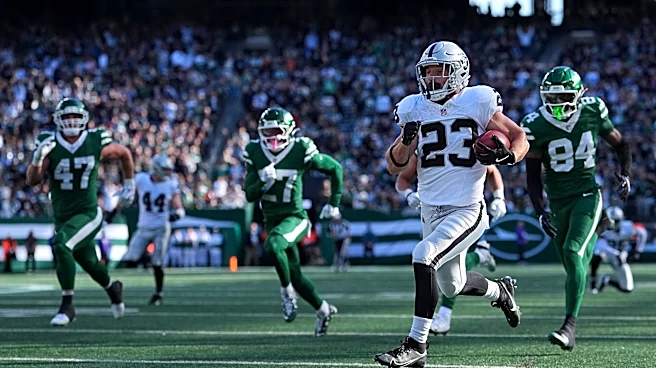
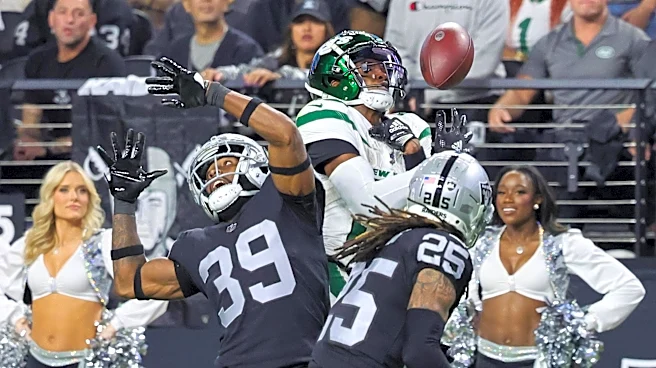
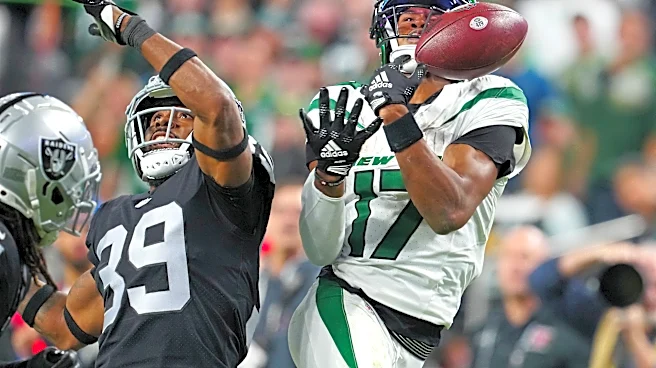
These flaws all manifested themselves in the team’s 38-33 loss to the Raiders.
Teams like the Jets just don’t have a margin for error, even against an opponent like the Raiders.
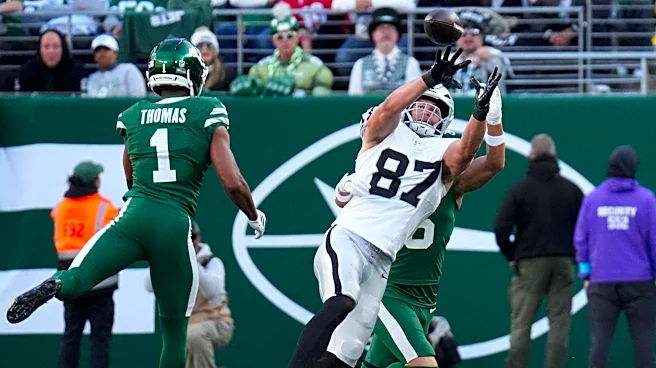
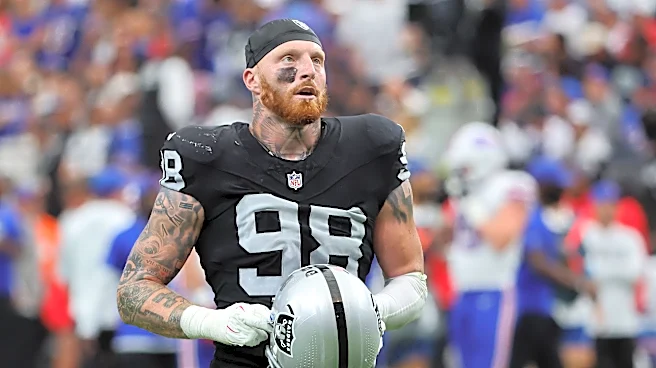
Most of the attention will rightly be given to a putrid defensive performance. There isn’t anything you can say to sugarcoat a game like that defensively. The Jets’ lack of defensive talent showed, but it wasn’t just that. Even basics of defense were a struggle. It seemed like on a number of occasions they lost track of Brock Bowers, which you just can’t do considering how important he is to the Raiders offense. And for a third straight week, the unit allowed the opponent to grind out the clock with a time consuming drive late in the fourth quarter.
This was a team loss, though.
A special teams unit that was the league’s best in a dismal 2025 has completely regressed. Week 8 was another ugly day for Chris Banjo and his group as they allowed a kickoff return touchdown.
On offense the day was a bright spot for the most part. The Jets put a season high 33 points on the board. Still, they left points on the field, settling for a field goal four times in the red zone. This included three stalled drives in the first half.
There were stretches where the Jets might have been able to seize control of the game had they made plays. The three first half red zone drives ending in field goals produced 9 points instead of 21. The touchdown gave the Raiders 7. Adding even some of those lost 19 points could have taken a 23-14 halftime lead into a territory where the Jets were in total control of the game.
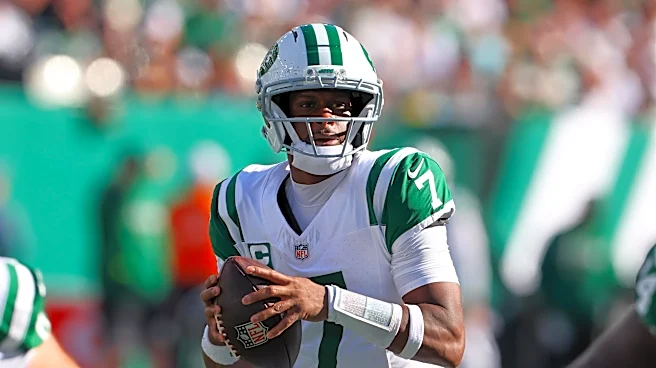
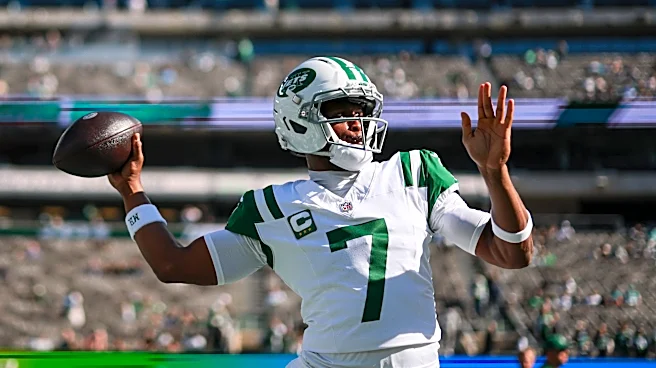
Geno Smith misfired on two would be touchdown passes to Garrett Wilson in the first quarter. In the context of what turned into a superb day for Smith throwing the ball, I think we can give the quarterback some grace.
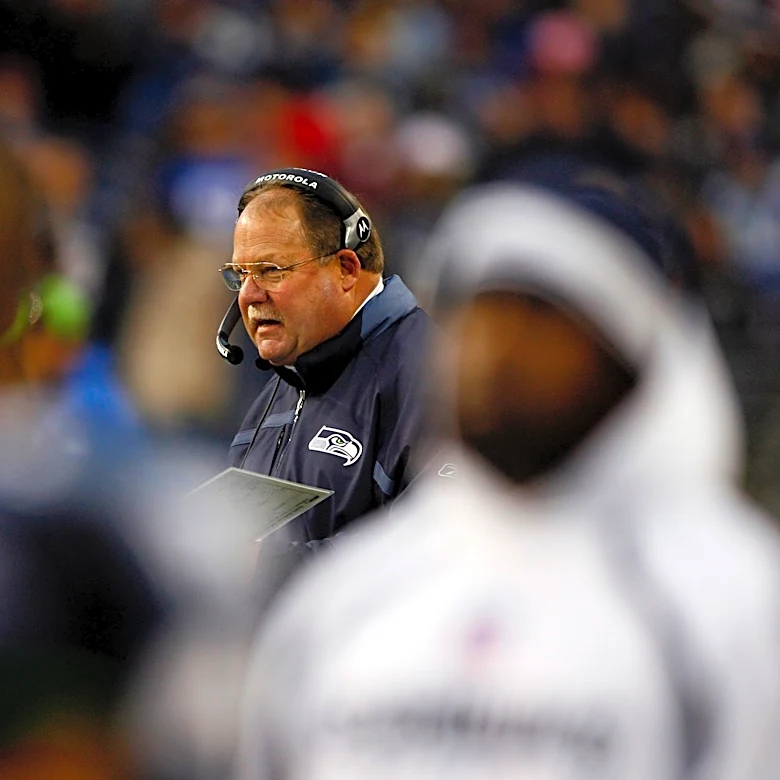
A drive that stalled before halftime, though, is tougher to defend. That drive stalled just before and after the two minute warning as Frank Reich called seven consecutive runs. It felt like Reich was prioritizing running out the clock so the Raiders couldn’t get the ball at the expense of scoring an important touchdown. Given how publicized the cartoonish point differential the Aaron Glenn Jets in the last two minutes of the first half has been over the last two weeks, it almost seemed like the Jets coaching staff was prioritizing not giving the Raiders a chance to score and make that differential worse over winning the game.
As I have mentioned in this space before, the best two minute drills find the right balance between maximizing points and leaving as little time as possible on the clock for the other team. Of the two, maximizing points should be the higher priority.
The Jets can win games, but they just aren’t good enough to overcome their inability to do the little things. That goes for their players and their coaches. And because these mistakes are made over and over, it seems increasingly likely the Jets will have a lot of new players and new coaches sooner rather than later.