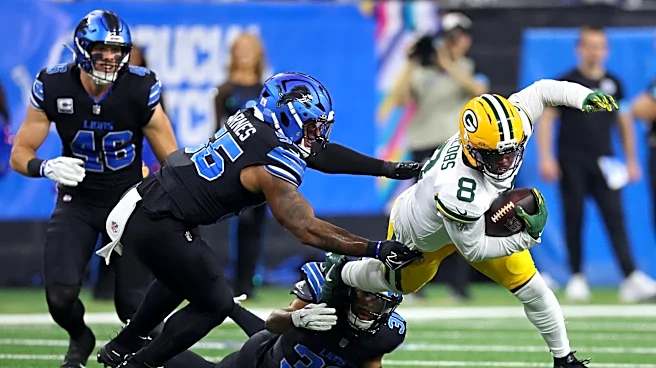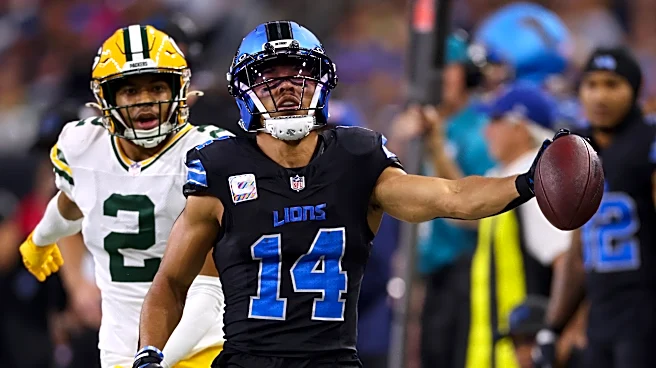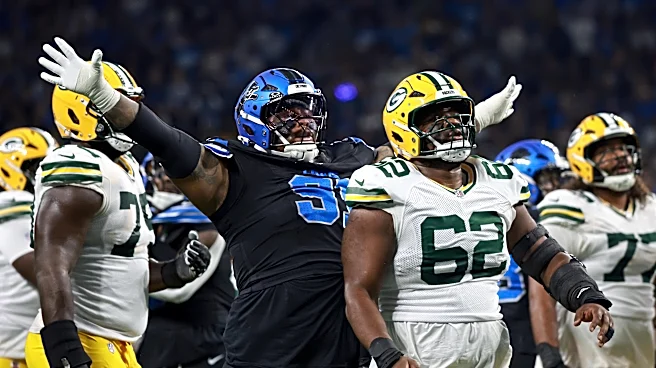



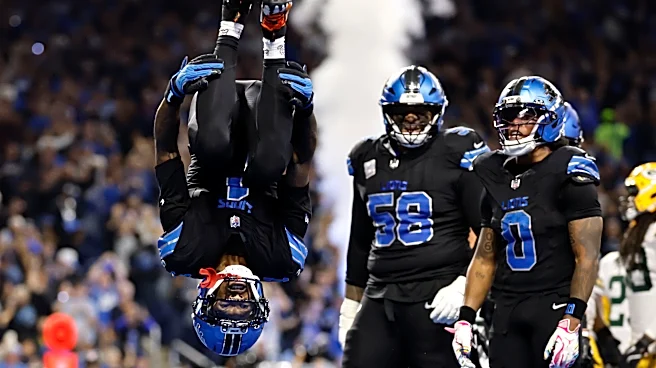
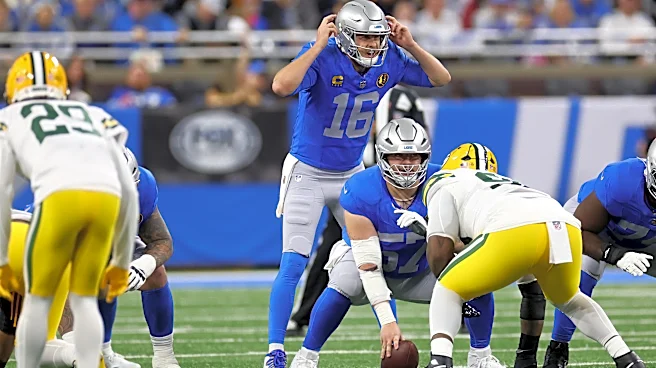
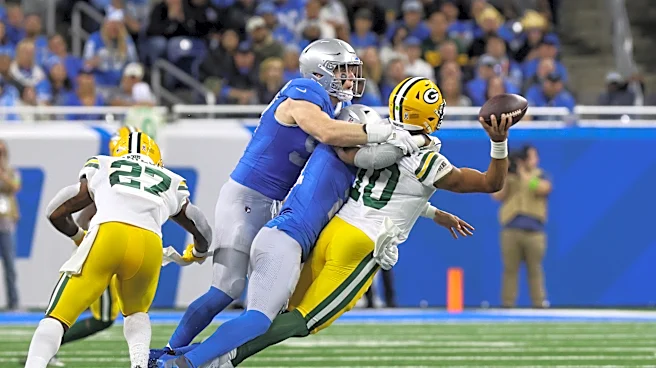

If you hang around Green Bay Packers fan on Monday morning, you’re likely to see a lot of bellyaching about officiating. And to their points, I do think the Packers were the beneficiary of a few of questionable calls. The roughing the passer on the Lions’ game-winning drive was terrible. The unnecessary roughness on Devonte Wyatt was ridiculous, when it was Amon-Ra St. Brown who got up from the ground and tried to gain extra yardage.
But if we’re being real, the Packers were luckier team on Sunday
night, because the Lions were wiping the floor with them most of the game and made just enough self-inflicted errors to make officiating factor in this game.
Nowhere is this better highlighted than looking at the success rate for each team. It’s not the end-all, be-all statistic, but it tends to really highlight which team was better on a down-to-down basis. Before we take a peek at the numbers, a quick explanation on what success rate is. It marks every single offensive play as a binary: either a success or failure. A play is considered a success if it increases the team’s likelihood to score points on that drive. And while each success rate model varies differently, the general outline is this: a play is considered successful if:
- On first down: It gains at least 40% of yards required for a new set of downs (ie: 4 yards on a first-and-10)
- On second down: It gains at least 60% of the yards required for a new set of downs (ie: 6 yards on second-and-10)
- On third or fourth down: It results in a first down or touchdown
For Sunday’s game, the Lions offense produced a successful play on 53.7% of their plays rbsdm.com, good for the fifth-best output of any team in Week 7. The Packers, meanwhile, produced just a 34.3% success rate, the second-worst output of the week. That is a massive difference. In fact, it was the second-highest difference of any matchup in Week 7.
So how were the Packers able to keep it close? Luck.
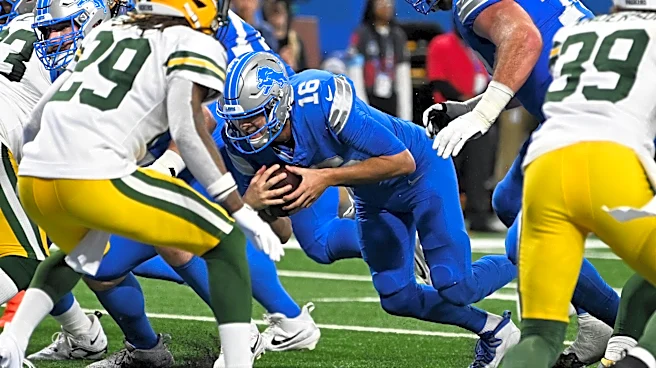
They were lucky Cade Mays accidentally jarred the ball loose from teammate Jahmyr Gibbs while the Lions were threatening to move it to a two-score game at halftime. They were lucky Jared Goff missed a snap exchange from Mays on the next drive to give Green Bay three free, unforced points. That alone is a potential 10-point swing in Green Bay’s favor.
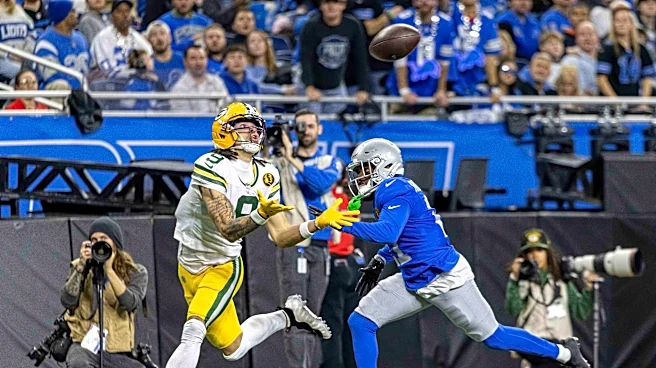
That isn’t to say the Lions didn’t benefit from some luck, too. A missed field goal is lucky (the other one was forced). A Packers drop or two is lucky. And certainly some officiating luck is lucky—ignoring the fact that the Lions were on the end of some poor calls/non-calls.
But when it comes to a play-by-play basis, there really is no question who was better. And you can look beyond success rate, too. Detroit averaged 6.3 yards per play, while the Packers were at 5.0. The only statistic the Packers had the clear edge was turnovers, and both of Detroit’s giveaways were unforced.
To be fair, Green Bay did make key plays in key moments, holding the Lions to 0-for-2 on fourth down and just 2-for-5 in the red zone. But the Lions were just as good, or better in those moments too. Though Green Bay was 3-for-4 on fourth down, they were just 1-of-4 in the red zone, and posted a much worse third-down conversion rate (33% vs. 50%).
The Lions were the better team on Sunday, and the better team won.