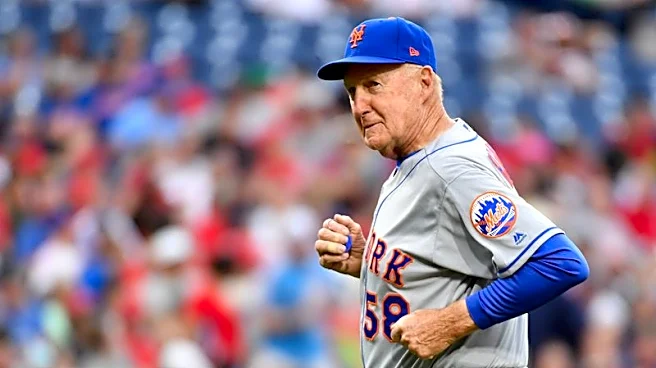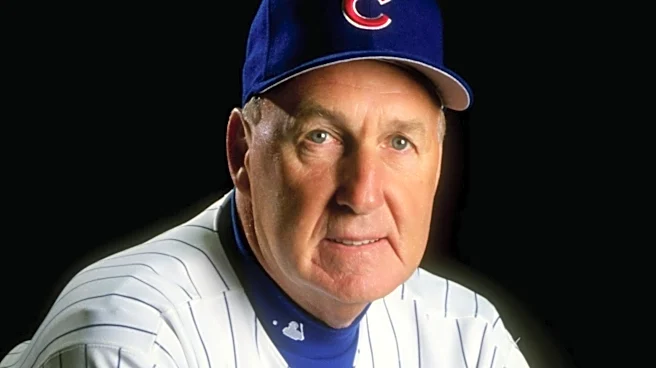



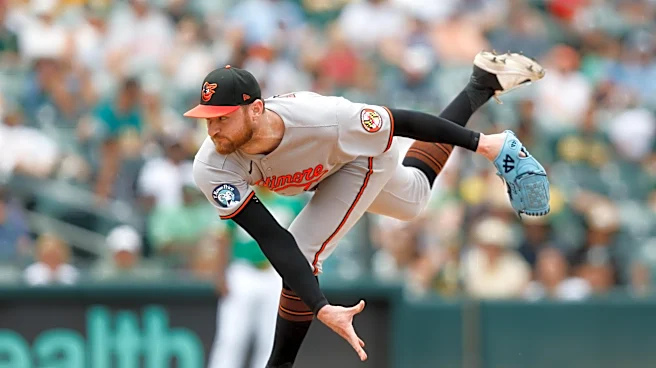
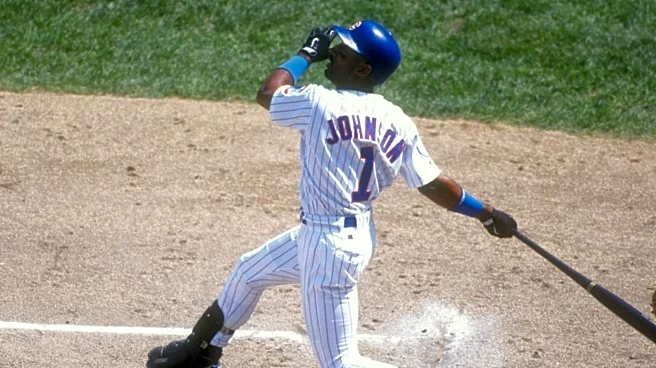
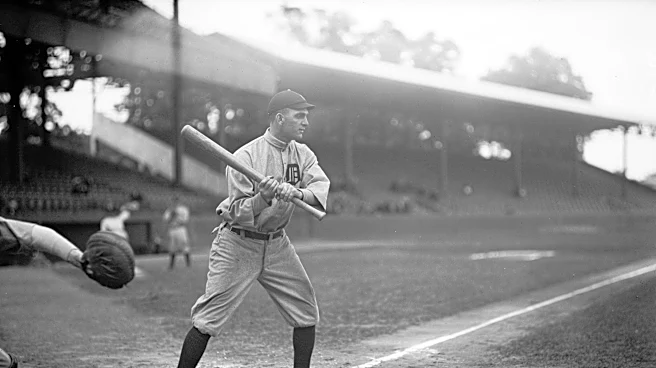


Phil Regan, a right-handed pitcher who pitched in 13 MLB seasons, with five of those with the Cubs, passed away Wednesday:
Regan was also the Cubs pitching coach under manager Jim Riggleman in 1997 and 1998 as well as coaching
in Cleveland and New York (Mets). He managed the Baltimore Orioles in 1994.
Regan began his MLB career in 1960 with the Detroit Tigers, mostly as a starter for the next few seasons. After a rough year in 1965, Regan was traded to the Dodgers for infielder Dick Tracewski. The braintrust in Los Angeles converted Regan to a reliever and he had a very successful season in 1966, helping lead the Dodgers to the NL pennant with 21 saves and 14 wins. Regan’s nickname of “The Vulture” came from that season, as seven of the wins came in extra innings and, back in the day when starting pitchers got most of the “wins,” Regan was seen as having “vultured” those wins. (It was a different time, for sure.)
Regan did not pitch quite as well in 1967 and the Dodgers finished under .500 so when he and the team got off to a rough start in 1968, they traded him, along with Jim Hickman, to the Cubs for Ted Savage and Jim Ellis.
At first, this looked like a real steal for the Cubs. Regan rebounded and had a fantastic season in 1968 on the North Side, pitching in 68 games and throwing 127 innings for the Cubs with a 2.20 ERA and 1.047 WHIP. This was back in a time when many relievers threw multiple innings. He posted 25 saves and again “vultured” some wins, going 10-5 for the Cubs.
And so it was that manager Leo Durocher figured he had his “closer” — though that term didn’t really exist back then — for the 1969 team that was supposed to win it all.
But as he did for the regular position players and starting rotation, Durocher overworked Regan. It began to show in August, when Regan posted a 5.48 ERA in 13 appearances covering 21.1 innings. By the end of August 1969 Regan had made 62 appearances and thrown 103.2 innings, a huge workload even for the time.
What followed was a game Sept. 7 against the Pirates, when Regan was one strike away from saving a victory. And then:
The Cubs wound up losing that game in 11 innings, the fourth straight loss in what would become an eight-game losing streak that pretty much killed the 1969 Cubs.
After that Durocher seemed to lose faith in Regan, who had 12 saves — but nine blown saves! — in 1970 and by the next year he was mostly relegated to mop-up duty. In June 1972 the White Sox acquired him for cash considerations and he finished his playing career there.
Regan then began a long coaching career which, as noted, included two years as Cubs pitching coach. He was coaching in the Mets organization in 2019 when, at age 82, he was asked to replace Dave Eiland as the team’s MLB pitching coach. After the 2019 season he retired from baseball.
Phil Regan had a baseball career spanning more than 60 years, from his signing by the Tigers as an amateur free agent prior to the 1956 season out of Western Michigan to wrapping up only a few years ago with the Mets. Though his tenure with the Cubs didn’t end well, Regan did post 60 saves as a Cub and was an All-Star with the Dodgers in 1966.
Sincere condolences to the friends, family, teammates and all who knew this good baseball man.
Lastly, for those of us who lived through the 1969 season with that star-crossed team, Regan’s passing means that of the 41 men who were Cubs that year, just 17 remain living. In alphabetical order: Rick Bladt, Jim Colborn, John Hairston, Bill Heath, Randy Hundley, Fergie Jenkins, Don Kessinger, Dave Lemonds, Rich Nye, Adolfo Phillips, Paul Popovich, Jimmy Qualls, Archie Reynolds, Gary Ross, Ken Rudolph, Al Spangler and Billy Williams. Spangler, the oldest, turned 93 yesterday. Lemonds, the youngest, turned 78 this past Sunday.