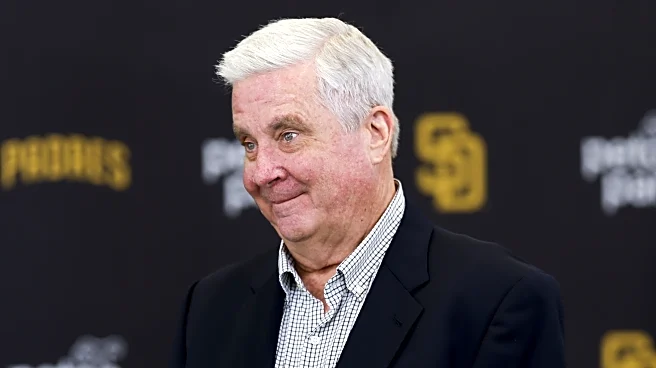

The San Diego Padres received disheartening news about their top free agent signee, Sung-Mun Song, who suffered an oblique injury that could sideline him for approximately four weeks. The injury occurred
during a recent offseason batting practice session.
Oblique muscles are essential to excel in baseball
Oblique injuries are quite serious, as they impair a player’s ability to swing a bat or throw a baseball. The abdominal muscle is crucial for a hitter to generate maximum bat speed through the strike zone. It allows them to create power between the upper and lower parts of their body.
Healthy, strong internal and external obliques are essential for core functionality. A baseball player needs to be able to rotate their trunk when swinging and throwing. Any level of an oblique strain will impact their ability to make the most basic baseball-related move.
Often, most oblique injuries occur on the dominant side of the player’s body.
Time missed = severity of injury
The amount of time sidelined is dependent on the severity of the injury. Mild oblique strains will keep a player out of the lineup for two to three weeks. A more severe oblique injury will sideline them for up to eight weeks. The average major leaguer needs between 22 to 27 days to recover from an abdominal injury.
Rehabbing an oblique strain is very challenging, as the injured region cannot be immobilized for too long. Your core muscles, specifically the diaphragm, are essential for breathing. Most athletic trainers will implement a three-stage rehab program to get the player back on the field.
Detailed rehabilitation program
The rehab program begins with isometric abdominal exercises, which restore core stability while avoiding trunk rotation. Other suggestive activities include side bending, which slowly increases flexibility. Gradually, a player will be able to walk or cycle for short distances.
The next stage is performing basic baseball movements without any discomfort. The rehab exercises become more challenging in stabilizing the abdominal region. Typically, it involves trunk rotations using resistance bands or cables.
The final stage before returning to the club involves mimicking all movements that occur in a game. The workout drills begin with light swings with a fungo bat, advance to hitting off a tee, and conclude with live batting practice sessions.
A throwing program begins with building arm strength with a weighted ball. Before progressing to the next phase, the trainers must determine that there is no discomfort in the abdominal region. If the player comes away with no limitations, they will become eligible to be activated from the injury list.
Not completing their rehabilitation program significantly increases a player’s risk of reinjuring themselves. Rushing back to the lineup does raise the likelihood of aggravating their oblique injury on a check swing or an extended throw.
What is next for Song?
Establishing a timeline for Song’s recovery from an oblique injury can be tricky until he arrives in Peoria. Song is expected to report to the complex for full squad workouts on Feb. 15. His availability for the World Baseball Classic is unknown at this time. The tournament takes place between March 5 and 17.
The Friars’ training staff will take a cautious approach to what Song can do at the start of Spring Training workouts. The goal is not to re-aggravate his injury.
Do not be surprised if the Padres place Song on the injured list to begin the regular season. It is all about protecting their investment.