

The Cubs front office was busy piecing together the deals to bring in reinforcements for a battered Cubs pitching staff and upgrading their right-handed bats available off the bench over the last few days. The results are in and it’s time to weigh in on the new look Cubs. Earlier today Al gave fans a chance to weigh in with your overall grades for the trade deadline. As a former teacher, I wanted to be a bit more granular and deliberate about my reply. Call it a report card of sorts. After all, even
if the body of work is a B or C, you can get to that grade a lot of different ways. Given the sheer number of moves we’ll start with a quick overview of each move and a grade. In the coming days we’ll have our more in-depth “By the Numbers” looks at each individual trade so you can get to know the newest members of a pretty stacked Cubs roster.
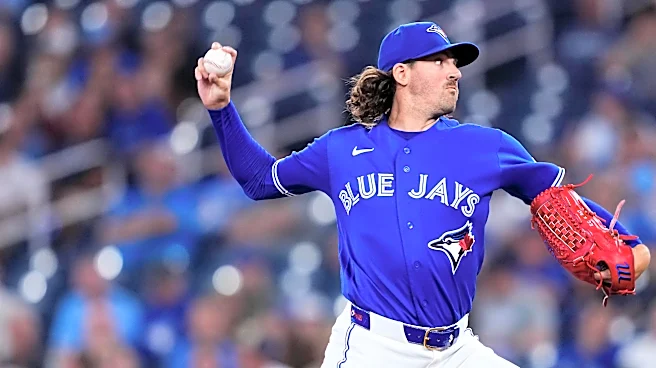
Kevin Gausman: A+
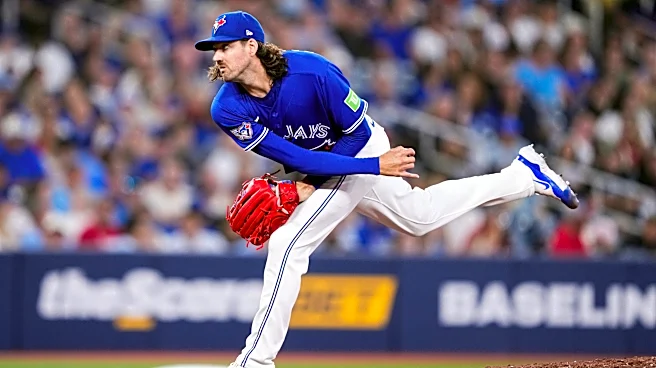
As the first deal done before a flurry of moves on Monday, this is the one trade that already has a “By the Numbers.” The Cubs got two months of a rental pitcher and paid the appropriate price for two months of a rental pitcher by parting with two contact-oriented, defense-first infielders in Brett Bateman and Ty Southisene who are highly redundant in their system. FanGraphs ranked Southisene 27th and Bateman 30th in the Cubs system back in May.
Gausman was elite as recently as last year when he ranked 10th among qualified starters in fWAR with a 3.59 ERA off a 3.41 FIP. He’s struggled with pairing his splitter off his fastball this year, but still has an elite fastball. He also has playoff experience, which is something the Cubs could certainly use. If he shows up as a 35-year old 4.38 ERA innings eater for his new team, the Cubs will take that and run with it. But this is exactly the type of profile that can surge when given a shot at a playoff race, as we all saw when the Cubs traded for Cole Hamels in 2018. If the Cubs have a fix for Gausman’s splitter and he channels his inner ace down the stretch in 2026 this is the type of deal deep playoff runs are built on.
Braxton Garrett: A
This is less a deal for a Postseason run and more a deal for 2027 and beyond. Braxton Garrett is a former first round pick and a lefty who had a dazzling 2023 only to be sidelined by Tommy John revision surgery in 2024 (his original Tommy John surgery was in 2017). He began his season in the Marlins Triple-A system, but was called up for two starts in early May. Those two starts did not go as planned with Garrett giving up five runs, all earned on four hits in 1.1 innings against the Twins on May 14 before giving up two runs, both earned, on three hits in three innings against the Braves five days later. His total line over the 4.1 innings he’s pitched in MLB this season? 4.1 IP 7 H 7 R 7 ER 8 BB 5 K.
That performance got him sent back to Triple-A where things looked really good until the last two starts where whatever limited him against the Twins and Braves in May appeared to pop back up. In his first eight starts back in Triple A he put together 39.2 innings striking out 45 and walking 11 with a 0.91 ERA and 0.83 WHIP off a 3.05 FIP. In the last two starts over 6.2 innings he struck out six and walked three with a 17.55 ERA and a 2.70 WHIP off a 7.43 FIP.
Will the real Braxton Garrett please stand up?
The Cubs will take a chance on that high variance given the elite pedigree and upside, especially when you factor in the trade return which sent Jonathan Long and Jace Beck back to the Marlins. Long 24-year old is a bat first 1B/OF who FanGraphs ranked 17th in the Cubs system in May. Long’s hitting leveled up in 2024, but there are questions about it translating to the big league level. Beck was unranked in FanGraphs’ most recent review of the Cubs system, but let’s turn to them for their thoughts on this part of the trade return:
Beck started the season pitching at Double-A and posted a 2.87 ERA over 59 2/3 innings, but his first few outings since moving up to Triple-A have not impressed. His ERA is sitting at 6.60 after throwing 15 innings. His most recent report describes the 26-year-old as a “huge-framed righty with plus-plus extension, good carry on mid-upper 90s fastball. Inconsistency with secondaries has prevented one from emerging as a reliable bat-missing weapon. Still starting, likely a reliever in the end, has late-inning upside if the velo ticks up in short stints and it turns into a monster fastball.”
The bottom line is that Garrett isn’t eligible for free agency until 2029, so this is a play for the future. If he puts it together in Triple-A and can contribute in September and October that’s a bonus. Additionally, the Cubs gave up two guys with interesting skills but big question marks in their own system for a former first-rounder.
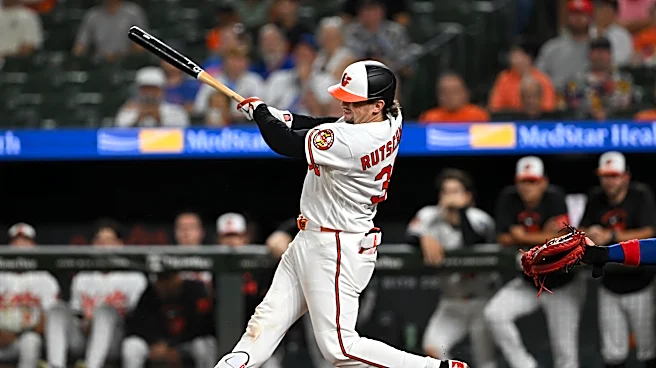
Ryan Zeferjahn: B
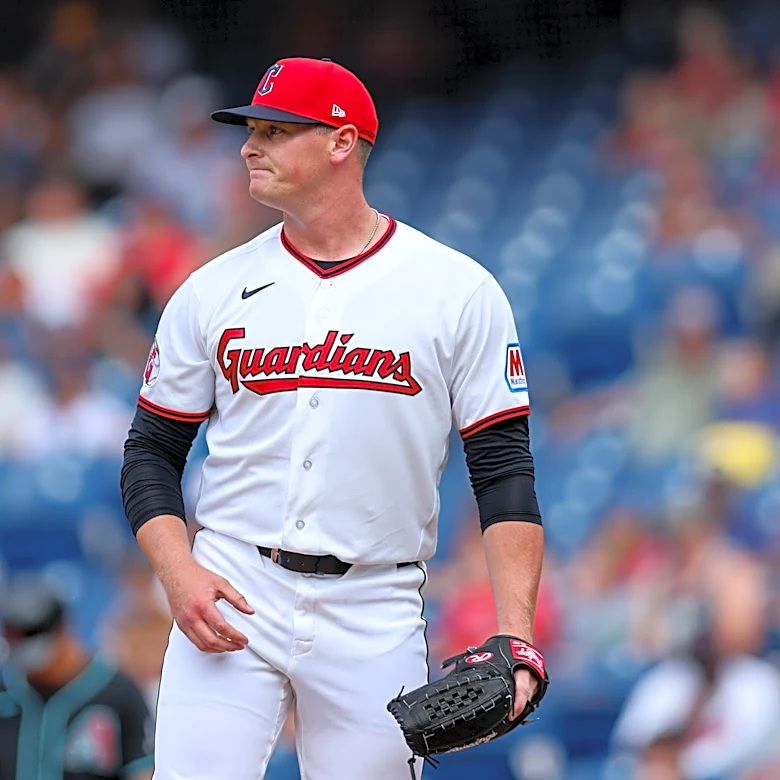
My personal preferences both in analysis and fandom have a real love-hate relationship with this trade but as objective as possible analysis results in a B, even though I find giving up a bat like 22-year-old Moisés Ballesteros after 241 big league plate appearances for a relief pitcher absolutely nauseating. That has less to do with Ryan Zeferjahn personally and more to do with the general principle that relievers are relievers for a reason: they are volatile and unpredictable.
That said, Zeferjahn is about as enticing as they come in a relief pitching package this side of Mason Miller. The 28-year old isn’t eligible for free agency until 2031 and the 33.5 strikeout percentage he’s posted in 51.2 innings pitched this season ranks 11th in baseball among relief pitchers with at least 30 IP this season. He is a whiff monster with a 96th percentile whiff rate according to Baseball Savant. He will be a high leverage reliever for the Cubs this season and perhaps far into the future. Pair him with Daniel Palencia, Caleb Thielbar (against lefties), Jacob Webb and maybe (if we’re lucky) Ben Brown and/or Braxton Garrett at the end of games and inject it into my veins. This is the type of bullpen this offense and Cubs fans deserve.
It cost the Cubs a bat that they will miss someday, but Ballesteros has struggled more than is characteristic for him during his 2026 campaign and doesn’t have a defensive position. 22-year-olds are young for the level at Triple-A, let alone MLB. We all saw tantalizing hints of the power and contact profile Mo’ Baller possesses. I wish I could watch that profile develop for the Cubs but fully understand why the lack of position makes this a (groan-inducing) but probably fair trade for a similarly elite relief profile. The thing that gives me pause is that hitters who’ve posted elite wRC+‘s at every level are probably a safer bet than relief pitchers who walk 14.3 percent of the batters they face.
The other piece going back to the Angels is flame thrower Mason McGwire, who profiles as a middle reliever some day. He’s hit 99, but sits closer to mid-90s. He’s a fun pitcher and one who was progressing nicely in the Cubs system, but he’s not too much to give up as an ancillary piece in a deal for a guy like Zeferjahn. I admit I’ll miss having Mark McGwire cheering for the Cubs just a bit.
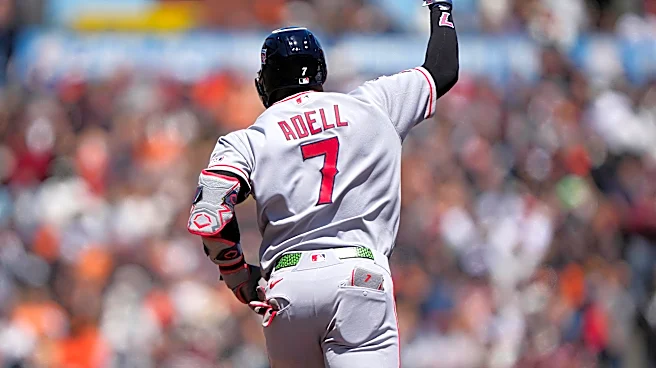
Clay Holmes & Tyrone Taylor: D-
This is where the Cubs deadline deals go off the rails a bit for me. To be clear, it has nothing to do with Clay Holmes or Tyrone Taylor, both of whom are fine for what they are and make the 2026 Cubs better. Much more on them in just a second, but as trade targets they are certainly in the A/B range, so what’s up with the D- for this move?
It is mind boggling to me that the Cubs gave up Jefferson Rojas in this deal. With Ballesteros already moved Rojas was the top ranked prospect in the Cubs system and I’ll let the prospect experts at FanGraphs do the talking on this one because I’d just be paraphrasing their rankings anyway.
Rojas had a monster half-season at High-A in 2025, walking nearly as often as he struck out and slashing 278/.379/.492. While it was his second spin through the level, his look on both sides of the ball was enough for us to elevate him into the Top 100 in the middle of the year and hold him there through the offseason despite a really rough late-season performance at Double-A Knoxville.
Back with the Smokies to start 2026, Rojas has produced a great early-season statline but has been striking out much more than is usual for him, albeit in a very small sample made all the smaller by time off for a minor thumb issue for which he was not placed on the IL. In the days preceding his shutdown, he was very error-prone on defense (flubs, throwing inaccuracy). While Rojas isn’t going to win any Gold Gloves (his range and hands are only fair), he has the body control and arm strength to make up for his shortcomings, and he projects to stay at shortstop.
On offense, Rojas has tended to be an above-average contact hitter with excellent plate coverage. He’s frequently geared to pull and was swinging inside a lot of sliders in the lead up to list publication, but this wasn’t an issue for him last year, when he had roughly average chase and miss rates against righty slide pieces. While he’ll occasionally get extended on a pitch away from him and drive it to right field, most of Rojas’ contact is directed toward the left field foul pole, where he hooks lots of doubles and potential homers. Though he’s young, Rojas is already a pretty physical guy, and he isn’t likely to add substantial strength without it nerfing some of his mobility on defense. Here he projects to have an average hit/power combo seasoned by plus plate discipline, which should be enough for him to play every day at shortstop. His timeline — we’re looking at a post-2026 40-man addition and (slow playing it) a 2028 debut — overlaps with the team’s other infielders enough that Rojas should be considered a prime trade candidate, especially if the Cubs’ hot start is a true indication of their contender status.
They conclude that Rojas should be a prime trade candidate this season and I agree with that theory. He’s the type of elite prospect teams move for multiple years of controllable starting pitching, or an elite bat. He’s not the type of prospect teams move for two months of a 31-year old relief pitcher converted to a starting pitcher and a short-side platoon bat (even an admittedly excellent converted starter).
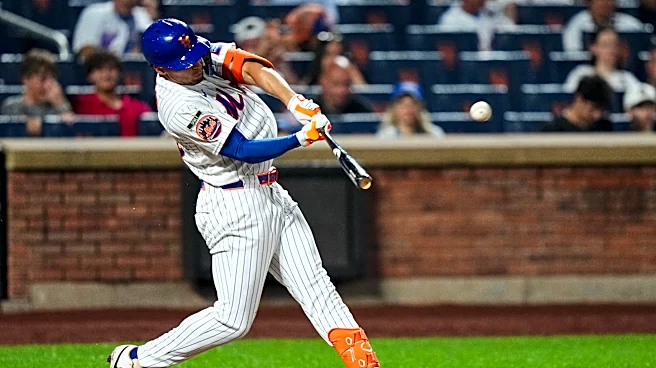
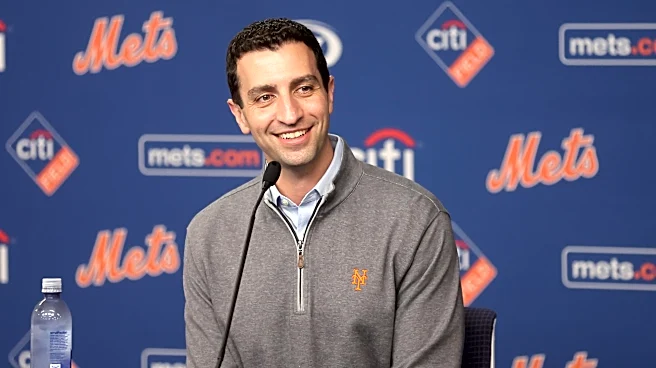
This trade screams the Mets asking for the moon as payback for the Pete Crow-Armstrong deal. If you’ve enjoyed the schadenfreude of throwing having a 24-year old MVP candidate and elite defender on the Cubs who was acquired for two months of Javier Báez and Trevor Williams, well, the clock may be ticking on that karma because this deal really echoes that one in reverse.
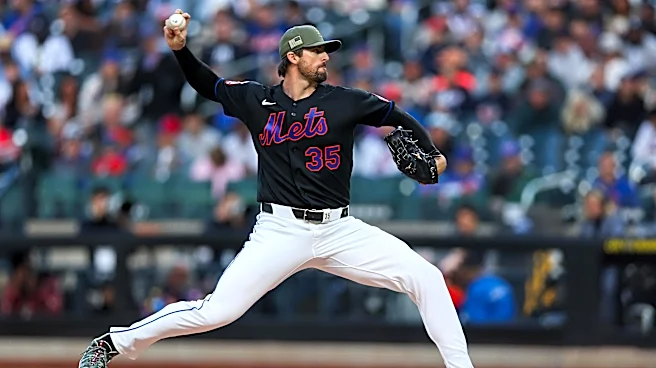
That said, Holmes and Taylor both fit places of need on the 2026 Cubs. Holmes has been excellent this season as a starter and is rehabbing a broken leg from a comebacker, not an arm injury. In 52.2 innings this season he’s posted a 2.39 ERA off a 3.21 FIP. He should slot into the Cubs rotation as soon as he’s done rehabbing and his 56% GB% should benefit from the Cubs elite defense behind him.
Taylor will upgrade the Cubs fourth outfielder spot and brings a .301/.311/.589 slashline against lefties with a 145 wRC+ and an ability to play every outfield spot to the Cubs bench. That should give Counsell a much better right-handed bat off the bench. It’s a bonus that Taylor is a player Counsell already knows well from their time in Milwaukee. That time in the NL Central may also be a bonus for the Cubs, where outfield can be a tricky place to play. Taylor has played in 26 games at Wrigley Field during his MLB career.
Weighted Grade Point Average: B+
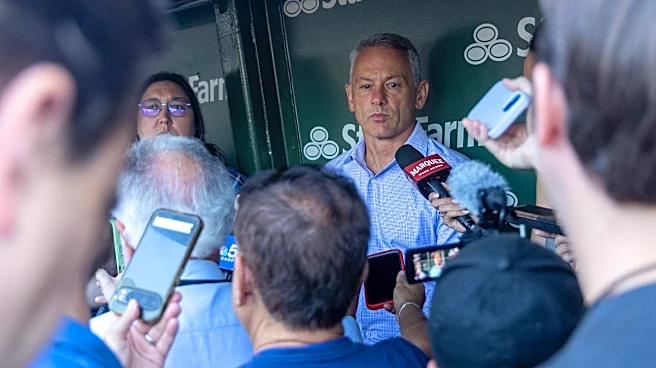
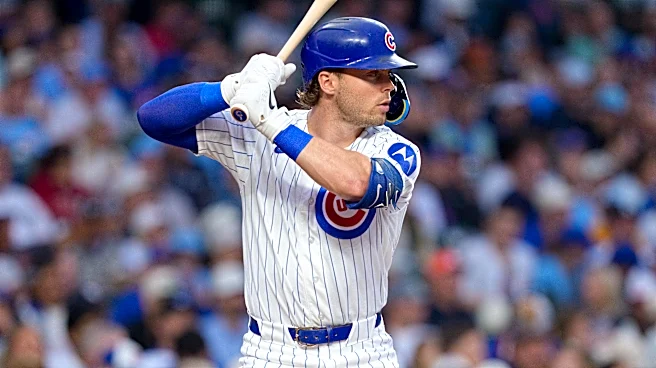
This is far and away the best trade deadline Jed Hoyer and Carter Hawkins have put together in their time at the helm of the Cubs. The Gausman and Garrett moves are excellent, Zeferjahn is painful, but acceptably above average. There are moves for the present and moves for the future. They didn’t move Pedro Ramírez, who looks like he could really stick as a utility infielder for the Cubs. They also still have plenty of depth in the system with Jaxon Wiggins, Josiah Hartshorn and Owen Ayers and more enticing prospects still in their system. They also still have young talent like Ramírez, Kevin Alcántara and Matt Shaw on their 40-man roster.
This report card would have a 4.0 GPA with no notes and honor roll mentions if they’d found a way to acquire Holmes and Taylor for less than Rojas, who at 21-years old, could have moved another day. Perhaps they ran out of time to acquire another starter and bat. Maybe the Mets just wanted to stick it to the Cubs. But one hasty mistake, doesn’t take away an overall excellent body of work. Jed and Carter did the job they needed to this deadline. Now it’s on Counsell and the Cubs on the field to keep up the good work and demonstrate what this team can do in October.