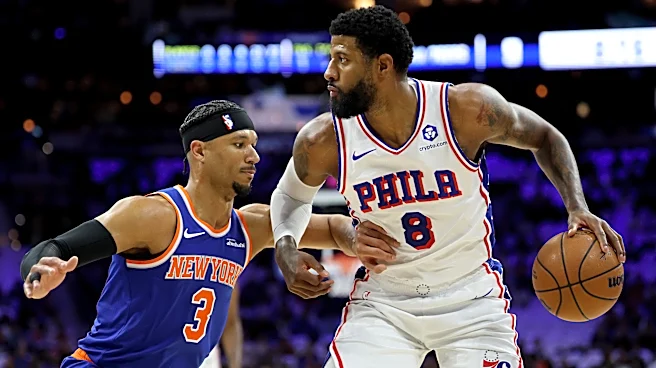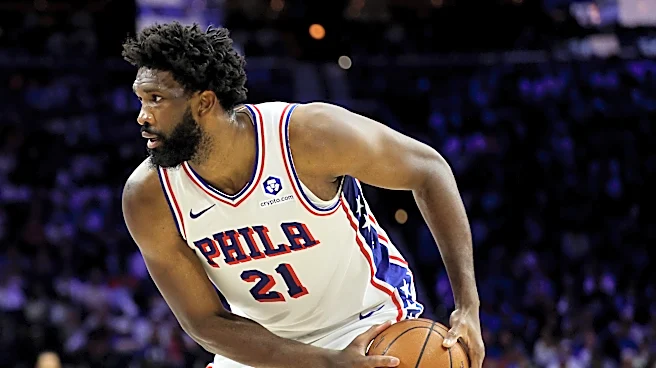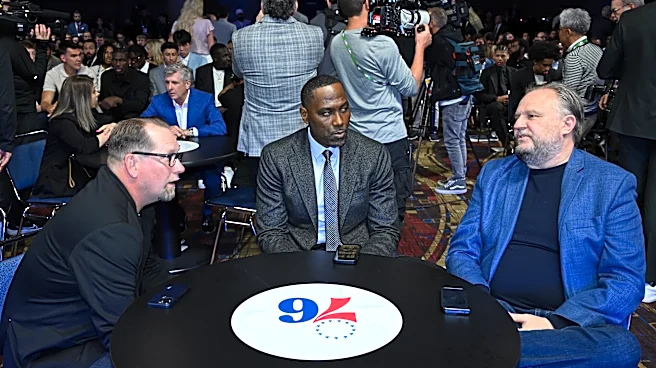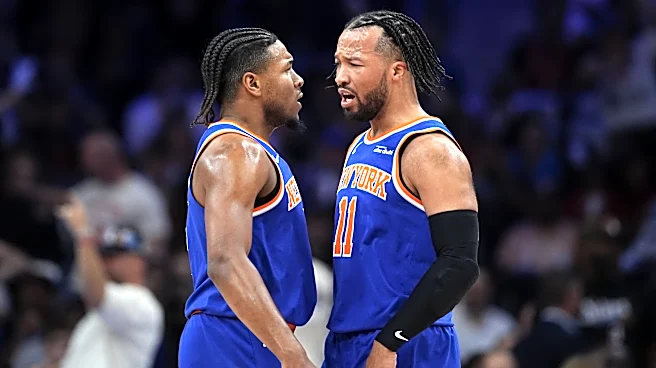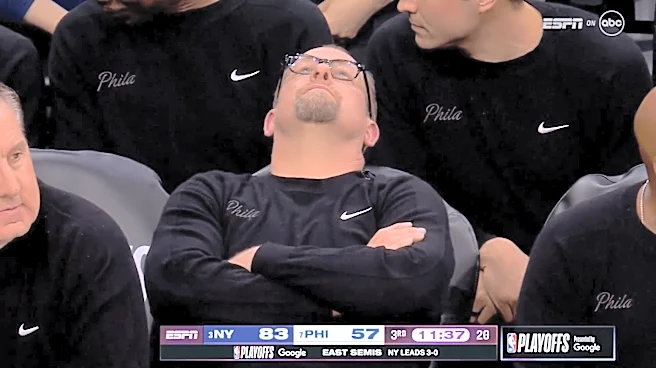







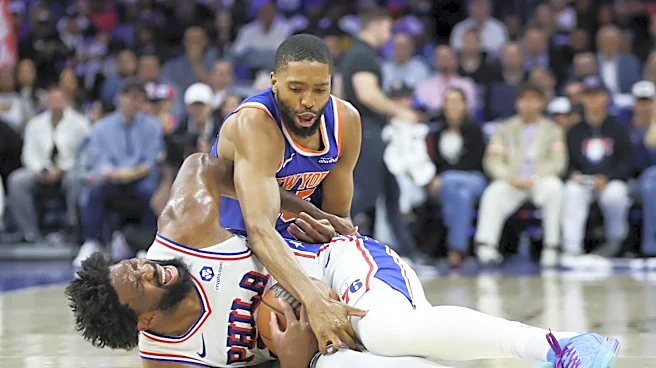
The Philadelphia 76ers are coming off a season of genuine highs and lows. On one hand, the franchise made the postseason just a year after winning only 24 games and pulled off an upset of the rival Boston Celtics. The highs didn’t last long, though. They flamed out in four games to the New York Knicks, and yet again, several key players missed long stretches of the season.
Now, fresh off another early exit, the franchise will likely look to this summer to reshuffle the deck. Their financial flexibility
hinges on what they do with several key free agents, but they also enter the draft armed with the 22nd pick. The Sixers have miscalculated on several fronts over the years, but the draft has been the most consistent bright spot of the Daryl Morey era.
This draft offers real opportunities to land a player who can not only develop long-term, but contribute immediately. So what exactly do the Sixers need after such an aggressive flameout?
First and foremost, this team simply needs players. Guys who can be on the floor when it matters and hang on both ends. Every prospect is different, and while draft discourse often centers on some version of Fit vs. Talent, especially in the back half of the first round, fit isn’t the priority here. Whoever the Sixers select at 22, whether they trade up, down or stay put, will likely come down to best available. Their lack of depth showed up in the worst ways during their biggest moments, and there’s no shortage of talent they need to add.
The Sixers struggled most in two areas: shooting and rebounding. In the regular season, Philadelphia ranked a measly 23rd in three-point percentage at 34.9 percent. Only two playoff teams shot worse, with Orlando at 27th and Portland at 28th, both at 34.3 percent. Volume wasn’t much better, as the Sixers ranked 22nd in three-point makes. Their rebounding sat firmly middle of the pack at 17th in the league, a problem that compounded in the postseason when they faced the Celtics and Knicks, who ranked third and seventh in rebounding, respectively.
Fortunately, several names in this draft fit the bill on both fronts and can fill either or possibly both needs at once.
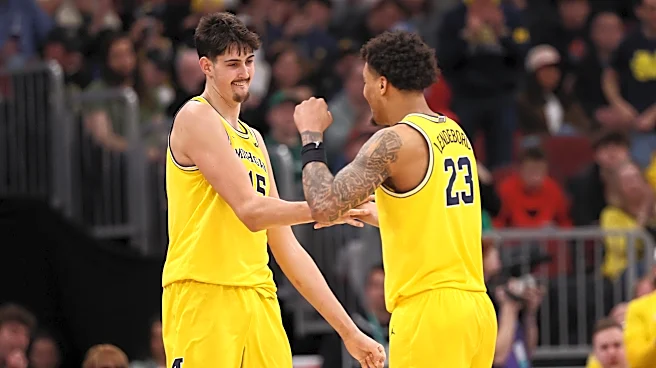
If the Sixers were to trade up into the late lottery, players such as Yaxel Lendeborg, Hannes Steinbach and Aday Mara would likely be available and present intriguing options to varying degrees. All three boast a legitimate frame over 6-foot-9 and are capable rebounders with complementary skills.
Lendeborg, despite being considerably older than most prospects, brings a real level of NBA readiness and might be this draft’s best connector, a Swiss army knife who can slot in between talent. Steinbach might be this draft’s best rebounder, and pairs serious post skills and efficient interior work with a high-IQ feel for the game. Mara, meanwhile, has serious skill for a big, with a soft touch, an advanced passing game, and the kind of post-centric offensive game teams can never seem to get enough of. He’s also 7-foot-3, and you simply cannot teach size.
All three bigs should be available anywhere from the 10th pick into the teens. This draft has real depth, however, and there are plenty of other names, and specifically positions, that the Sixers should weigh at 22 and the picks leading up to it.
Karim Lopez, a Mexican forward from the New Zealand Breakers in the NBL, is a high-upside name with a legitimate frame at 6-foot-8 with a 7-1 wingspan to go along with it. Lopez fits the bill as a high-motor, versatile player capable of not only feasting on the glass but pushing the ball up the floor in grab-and-go situations. There is no shortage of refined forwards leading into the 20s either, with names such as Allen Graves, Isaiah Evans, Morez Johnson Jr. and Dailyn Swain all presenting intriguing options with varying skillsets.
Graves in particular gives off shades of Naz Reid or former Sixer Nic Batum. He is a skilled forward who has proven he can stretch the floor, pass effectively, and rebound well as a connective piece. Evans has shown an ability as a microwave scorer, with a quick release and the capability to knock down shots from range. If the Sixers are looking for offensive upside at the forward position, he is a name that could grow in popularity for a team with a longer-view type of selection in mind.
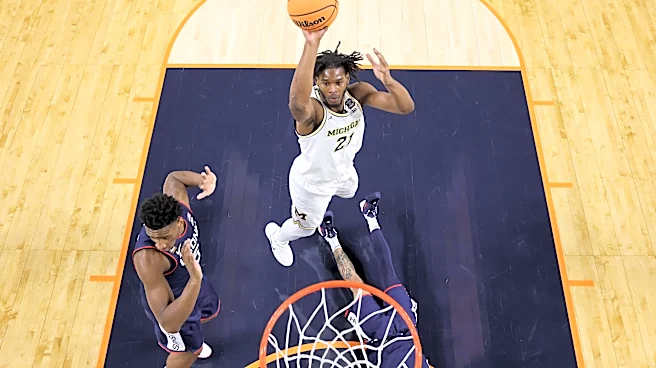
Johnson is a physically imposing forward who can even run some small-ball five, boasting a high motor, elite rebounding ability, and defensive switchability. If the Sixers are looking for a plug-and-play forward to put next to Embiid and shore up their rebounding problem, it is hard to find a better Day 1 name than Johnson, especially if you believe in his ability to grow his offense. Swain presents athleticism and wing versatility, making his mark as an elite slasher with potentially untapped playmaking ability that could slot in well next to Tyrese Maxey and VJ Edgecombe.
Every draft cycle brings the same chorus of calls for teams to prioritize shooting from day one, and this one will be no different. Despite being a personal skeptic, nobody can doubt Chris Cenac Jr.’s ability to knock down shots from range, especially considering his legitimate big man frame at 6-foot-11.
Stepping away from forwards and bigs, a handful of guards are projected to go in the late lottery and into the teens. One name widely expected to be available heading into the late teens is Baylor’s Cameron Carr, who brings legitimate athleticism alongside his 6-foot-5 frame and 7-2 wingspan. He has shown scoring and shooting growth, presenting a solid foundation as a coveted 3-and-D wing with legitimate rim protection skills at the guard spot. Carr and Edgecombe could form an excellent Baylor Bear duo, giving the Sixers two guards who are above-average rim protectors, a genuine rarity in the NBA.
It’s hard to predict what will happen or who will be available more than a month out, but there is no shortage of names who would help the Sixers and bolster their growing youth movement. Whether they trade up, trade down or stay put at 22, the Sixers will have options.