
Now that the Major League Baseball trade deadline has come and gone, the focus shifts from speculation to evaluation.
And from where I sit, it’s hard not to view the Astros’ deadline as a massive disappointment.
If the reports are true that Dana Brown could be on his way out at the end of the season regardless of how this year ends, then this deadline felt less like a calculated baseball strategy and more like a last-ditch attempt to save his job.
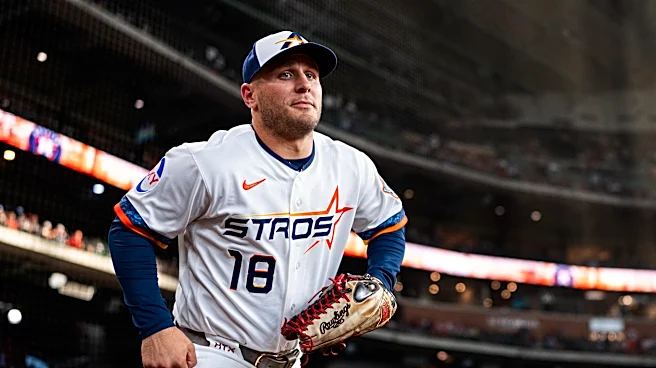
The Astros’ biggest move was sending Spencer Arrighetti,
a young starting pitcher with three years of team control, in exchange for outfielder Daulton Varsho, a player who can walk away after the season. Houston also took a chance on a veteran who enjoyed an outstanding campaign a year ago but has been a shell of that player for much of this season.
That’s not the type of aggressive move a first-place team should be making.
It feels like a gamble.
More importantly, it feels like a gamble born out of desperation.
The Astros didn’t need a headline.
They needed impact.
This front office appeared to be betting that Varsho can suddenly rediscover the form that made him such an attractive player in previous seasons and provide the offensive spark Houston has been searching for in the outfield. If that happens, the trade could certainly look much better in hindsight.
But based on what we’ve seen this season, that’s asking for a lot.
What makes the deadline even more frustrating is the position the Astros put themselves in before it arrived.
This team looked dead in the water early in the season. Injuries piled up. The offense struggled. The rotation was decimated. Yet somehow, once again, the Astros did what they’ve done so many times over the past decade.
They found a way.
Not only did they climb back into contention, they fought their way into first place in the American League West and built a 2½-game lead.
That kind of resilience deserved to be rewarded.
Instead, the front office largely stood pat.
Yes, they addressed an area of need. Yes, they added an outfielder with defensive value and postseason experience.
But was it enough?
I don’t believe it was.
This roster had one glaring need for well over a year: a legitimate left-handed bat capable of playing a corner outfield position and lengthening the lineup. That need never changed, and yet the Astros failed to land the kind of impact hitter who could truly alter the complexion of their offense heading into October.
Championship windows don’t stay open forever.
When a team overcomes adversity, exceeds expectations, and puts itself in first place despite countless obstacles, the front office has an obligation to capitalize on that opportunity.
This deadline felt like a missed opportunity.
The Astros didn’t need to mortgage their future, but they also didn’t need to settle for what appears to be a modest gamble and hope it pays off.
For a franchise with legitimate World Series aspirations, “hope” shouldn’t be the primary strategy at the trade deadline.
Maybe Varsho catches fire.
Maybe the veteran addition turns back the clock.
Maybe Dana Brown ultimately proves every critic wrong.
Baseball has a funny way of making bold opinions look foolish.
But based on what we know today, this deadline feels less like a championship-caliber move and more like the actions of a general manager trying to buy himself another season.
If that’s the case, it’s difficult not to come away disappointed.
Now the pressure shifts from the front office to the clubhouse.
The players have rescued this season once already.
The question is whether they can do it again without the kind of reinforcements many believed they had earned.
What do you think?
Did Dana Brown do enough to improve this roster, or did the Astros let a golden opportunity slip away? And just as importantly, should this trade deadline have any impact on Brown’s future as the Astros’ general manager?