



Heading into the 2026-2027 season, the NBA Competition Committee identified four areas of focus: off-arm push offs by offensive players, push-offs from screeners, hand-checking off-ball offensive players, and impeding straight line drives. There should be an increased freedom of movement for offenses coming from those points of emphasis which the Celtics have hinted at throughout training camp and we’ll see tomorrow in Cleveland how that side of the ball looks in action.
Defense might be where we
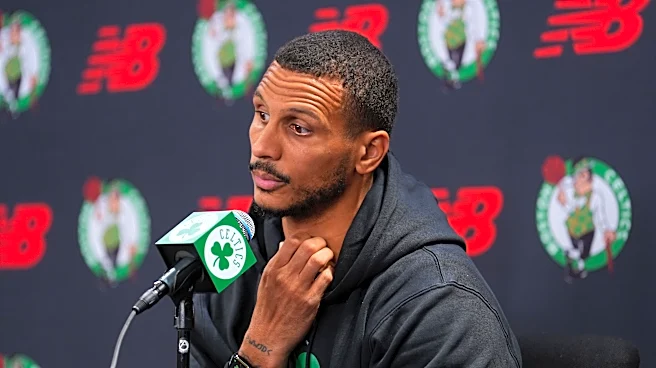
see some differences in how the Celtics play. Mazzulla noted on Monday that over the last couple of years, the team focused on offensive rebounding and backcourt pressure, all things meant to win the possession battle in the margins. He said that the coaching staff won’t really know what’s working and what they can lean into until 10-15 games into the regular season, but considering the additions to the roster, so much is more available to Mazzulla, particularly on defense.
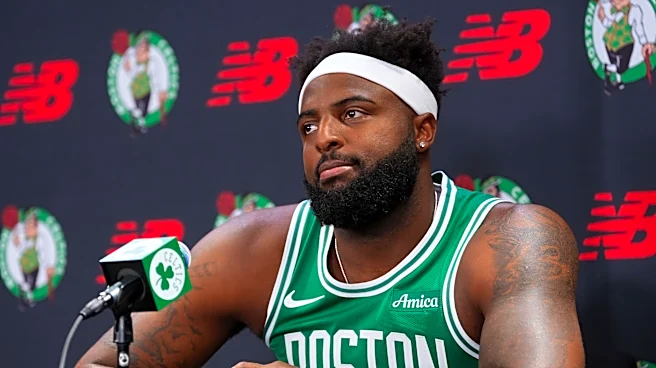
Mitchell Robinson’s offensive rebounding has become his calling card, but those 4.2 extra possessions per game isn’t why Boston signed him to a three-year, $47.4 million deal this summer. As CelticsBlog’s Nik Land points out, the defense is the thing:
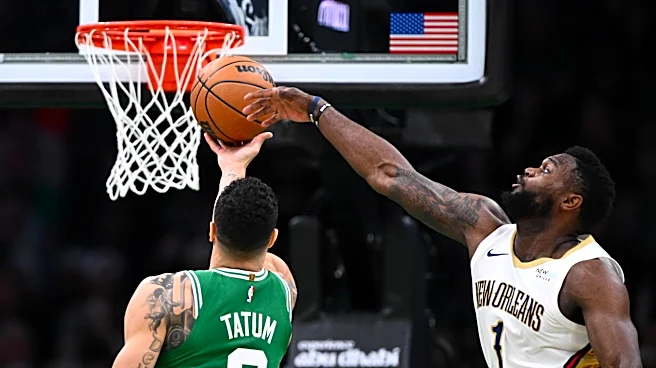
Robinson is simply a high-impact defender. When he isn’t blocking shots at the rim, he is deterring attempts altogether, forcing rushed kick-outs, using his size to hold his own in the post and displaying excellent timing as a help defender. His +2.7 Defensive DPM last season ranked in the 99th percentile, while his 23.2% defensive rebound rate allowed him to consistently finish possessions on the glass.
And there’s domino effect on the rest of the defense. Having an anchor like that patrolling the paint means that the perimeter defenders can take a few more liberties — that could mean putting more pressure on ball handlers, taking risks in passing lanes, and switching more.
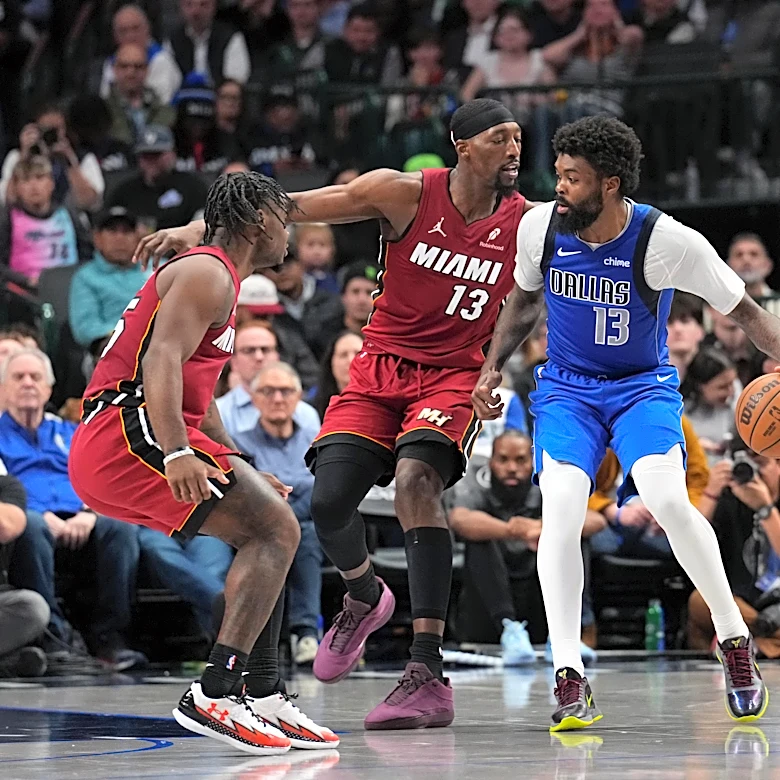
But there’s that pesky POE promoting freedom of movement. Defenders won’t be able to lock arms with off-ball players like offensive linemen blocking for their running back. Also, if a player has a straight-line drive at the rim, they’ll have to shade them with limited contact and avoid bumping them off their path.
For the most part, those hand checking rules won’t affect the Celtics too much. They were 9th in fouls committed last season and didn’t give up a ton of free throws either (4th at 21.2 trips to the line). Instead, with Robinson in tow (not to mention Neemias Queta), what you might see more of is anticipation and jumping passing lanes.
Enjoy the Celtics’ Instagram story of practice highlights in full, but more specifically 50 seconds in, you’ll see Hugo Gonzalez jump a Paul George pass for an easy transition layup. That’s where Boston could make a big change this season. Last year, they were 25th in deflections (15.2 per game) and naturally 25th in points off turnovers (15.8 per game).
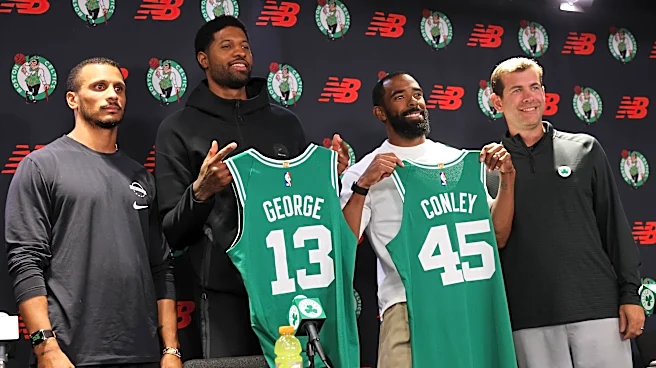
As former CelticsBlogger Jack Simone points out, Robinson averaged 5.5 deflections per 100 possessions, ranking him in the 96th percentile. Adding the rangy George to a wings group with Jayson Tatum (6’11 wingspan), Jordan Walsh (7’3), Ron Harper Jr. (7’1), and Gonzalez (6’11) gives the Celtics enough length to cover sideline to sideline.
Boston’s fourth ranked defense last year did not rely on steals (28th) or generating turnovers (29th). Instead, they bent and didn’t break, keeping teams out of the restricted area and around the rim, and forcing them to shoot mid-range and long-2s. All those principles should still stay mostly intact, but for the margin-obsessed Mazzulla, squeezing a few more points out of their transition game by turning defense into easy offense might be an internal point of emphasis for the Celtics.