




This day and age, being a college athletics fan means you better have your head on a swivel and be ready to digest legal jargon at the drop of a hat.
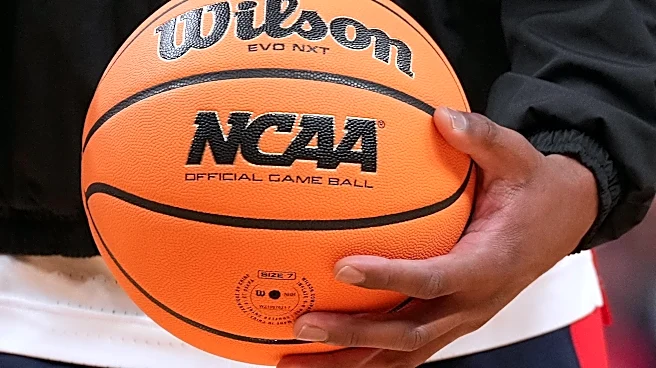
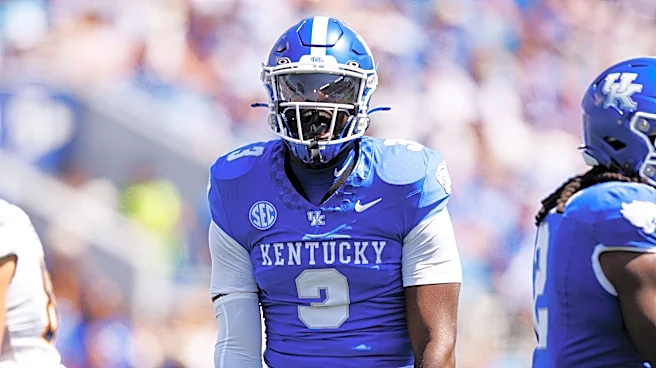
While the entire Commonwealth’s attention was focused on Mark Mitchell’s eligibility case on Friday, which was being litigated in Jefferson County, KY, the Tenth Circuit United States Court of Appeals in Colorado granted the NCAA’s stay request in relation to Wisne v. NCAA. This means that Alex Afari is no longer eligible for the Kentucky Football program.
Judge Charlotte Sweeney of the U.S. District Court of Colorado has ruled that athletes from the class of 2022 will no longer have any federal protections concerning a fifth year of eligibility. This decision is likely to be appealed, but for now, the blanket waiver that granted all class of 2022 players a fifth season is no longer in effect.
The class certification read as follows:
“All persons in the United States who began to play in collegiate sports in the 2022–2023 season, competed in NCAA Division I sports, and completed four years of eligibility as defined by the NCAA’s prior rules by the conclusion of the 2025–2026 season, and are therefore barred from playing a fifth season due to the NCAA’s adoption and immediate implementation of the Five-Year Eligibility Rule.”
So what does this actually mean?
The ruling hasn’t eliminated hope for all 2022 high school graduates just yet.
To retain one final year of eligibility, student‑athletes must be granted a temporary order at the state level. This is what UK target Mark Mitchell just secured in Jefferson County on Friday, and now, Afari will likely seek something similar.
But for the time being, this news comes as a huge disappointment, as it would have been a welcome boost for Will Stein and his staff to bring back a solid, proven performer like Afari.
But again, there is likely more to peel back here, and I’d expect players like Afari to explore their options at the state level as well.
What’s next?
Athletes, coaches, and university administrators are now tasked with navigating choppy, uncertain waters in hopes of positioning themselves as best they can once the dust finally settles with any appeals, etc.
All in all, the semantics of this situation seem pretty silly, but then again, we’re talking about the NCAA. Regardless of the final decision, this entire mess could have been mostly avoided had the NCAA taken action months ago instead of entertaining what has now become a complete charade.