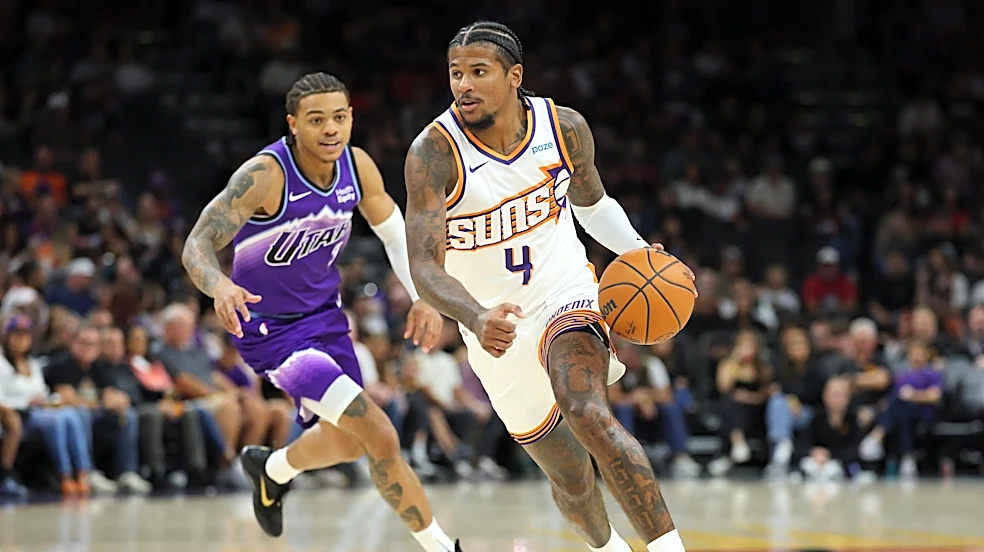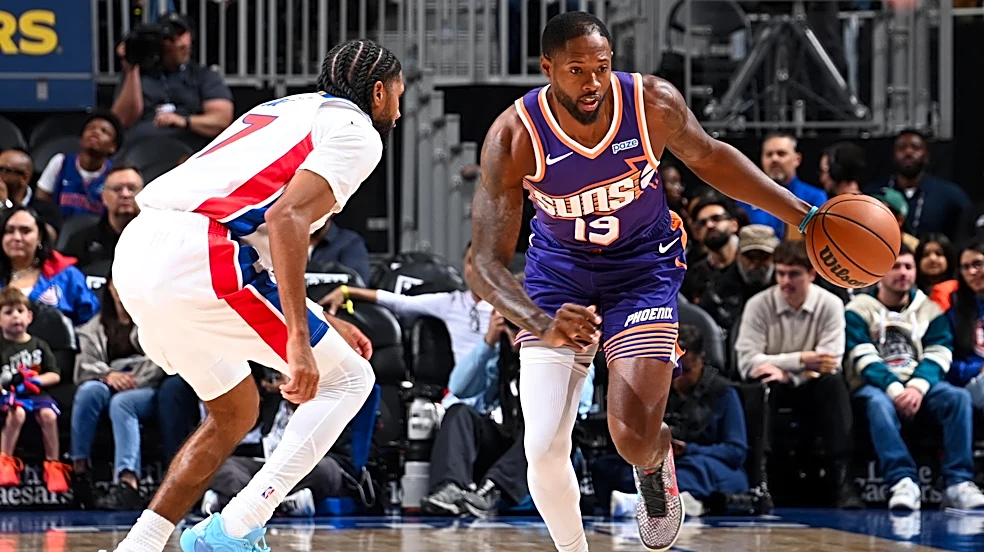

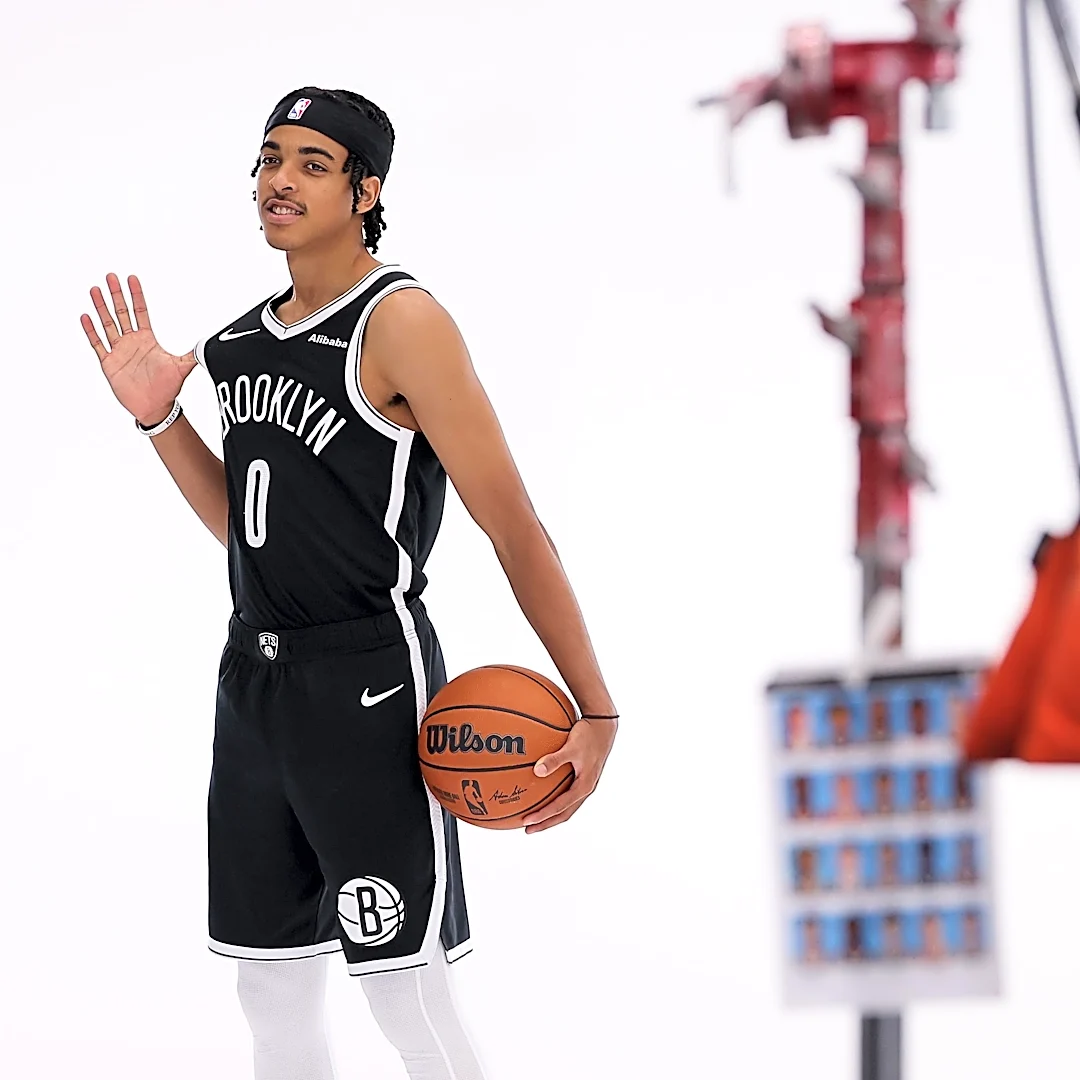
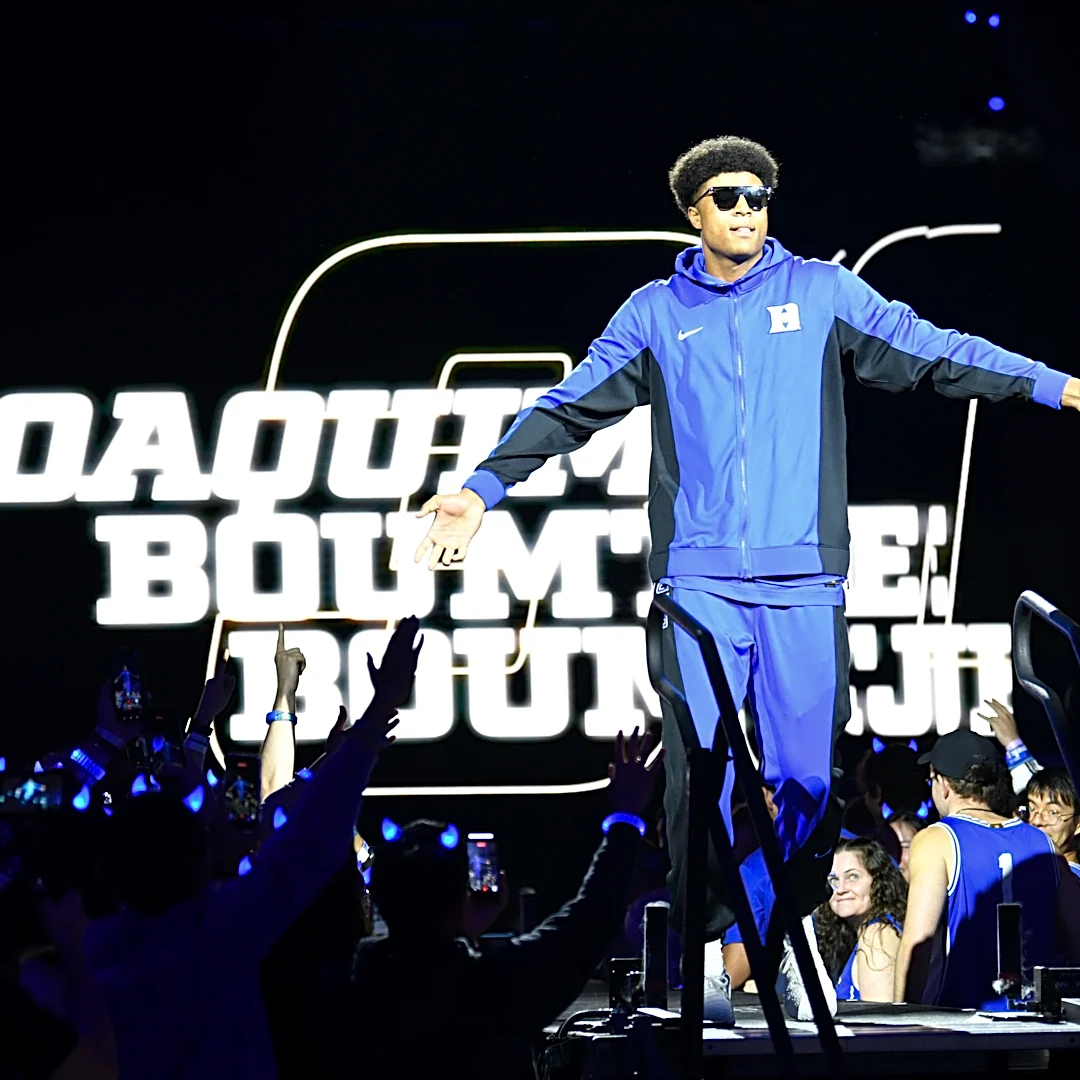

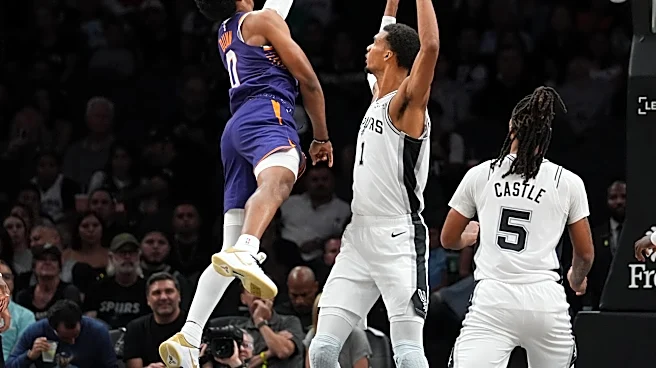
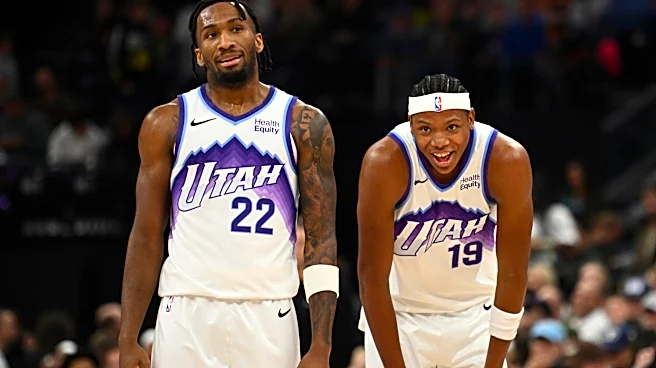

The roster fine-tuning has begun for the Phoenix Suns as they prepare for the 2026–27 season, and I have a feeling some of the more analytical members of the fan base aren’t going to be particularly happy with the latest decision. After being claimed off waivers following his release from the Brooklyn Nets last season, Haywood Highsmith has officially been cut by Phoenix, with the organization opting to retain Jamaree Bouyea instead.
Both Highsmith and Bouyea carry non-guaranteed contracts that don’t become fully guaranteed until January 27.
Highsmith appeared in seven games for the Suns last season, averaging 5.4 points in 13 minutes per contest. He also appeared in two postseason games, failing to score in either appearance.
At nearly 30 years old, Highsmith profiles as a quality three-and-D player. Although he stands 6’5”, he possesses tremendous length and has carved out a place in the NBA through toughness, grit, and his ability to knock down shots. He’s the type of player who has earned everything he’s received throughout his professional career. But when you look at the current state of the Phoenix Suns, there are several factors that likely influenced this decision.
First, the Suns simply appear to like Bouyea more. He’s somebody the organization identified while he was playing in the G League with the Austin Spurs, brought into the fold, and continued developing. And he’s rewarded that investment with some encouraging performances, including a strong preseason in which he averaged 9.8 points in 16.6 minutes across five games.
So Phoenix is opting to retain a player who’s three years younger and whom the organization has already identified as somebody worth continuing to develop. Bouyea also provides additional depth at the guard position, which brings us to another reason Highsmith became expendable.
The Suns have plenty of depth on the wing, particularly when you consider the number of young players who need opportunities to develop. Ryan Dunn, Rasheer Fleming, and Koa Peat are all players the organization has invested in, and finding meaningful minutes for Highsmith would potentially mean prioritizing his playing time over the development of those prospects. For a team that’s attempting to build toward the future while remaining competitive in the present, that becomes an important consideration.
The third factor is Highsmith’s injury history. There are legitimate concerns surrounding his health following the meniscus tear he suffered last season, and it’s fair to wonder whether he’s fully recovered. From the organization’s perspective, maintaining flexibility rather than committing to a player whose availability could remain uncertain might be the more appealing approach.
Which brings us to the fourth reason I believe this transaction occurred. The Phoenix Suns have demonstrated a preference for maintaining optionality and roster flexibility, particularly at the beginning of a season, rather than filling every available roster spot simply because they can. Releasing Highsmith opens one roster spot for Phoenix. Could that spot eventually be occupied by Duop Reath? Certainly. But my assumption is that Reath will ultimately land on a two-way contract alongside Kobe Brea and Pat Spencer.
I think the Suns would prefer to keep that 15th roster spot available because, quite frankly, they don’t fully know who they are yet. There’s still plenty to learn about this roster, how the rotations will develop, and what needs might emerge once the regular season begins. So you let the season play out, evaluate what you have, and when the time comes, if there’s a player who can address a specific need, you have the flexibility to make that move. That’s the value of maintaining options rather than committing to a roster spot simply for the sake of filling it.
Ultimately, this decision says more about the Suns’ priorities than it does about Highsmith’s ability to contribute. Phoenix is choosing youth, development, and flexibility over a veteran whose opportunities were already going to be limited. Bouyea gets another chance to prove he belongs, while the front office maintains the ability to address needs as they emerge. There’s value in that approach, especially for a team still figuring out what it has. Sometimes the smartest roster move is knowing when to leave a spot open.