





The Portland Trail Blazers entered the offseason searching for stability at head coach, and while they found a new man to put in charge, they have triggered league-wide backlash with how they finalized their hire.
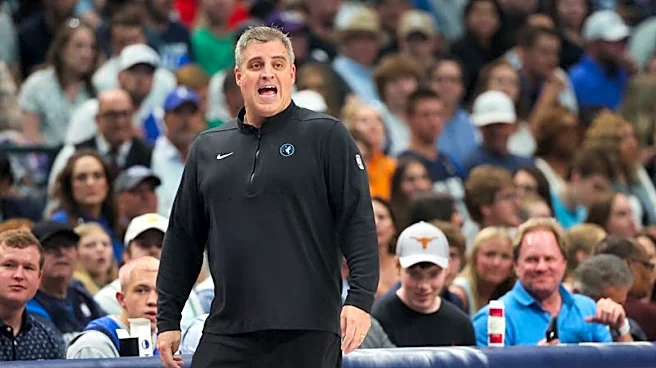
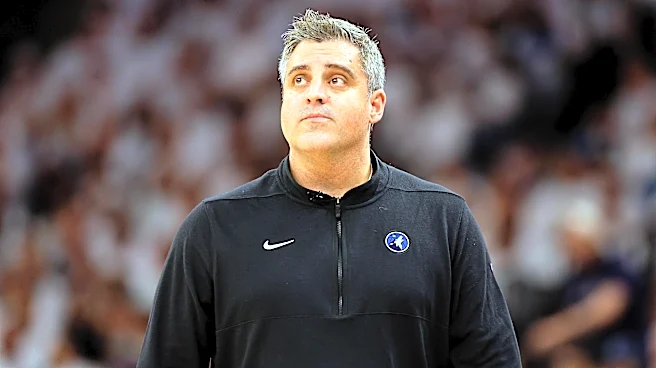
The Blazers signed former Minnesota Timberwolves assistant coach Micah Nori on what was initially described as a multiyear agreement, only for details to reveal a true one-year guaranteed deal with team options and incentive-based pay.
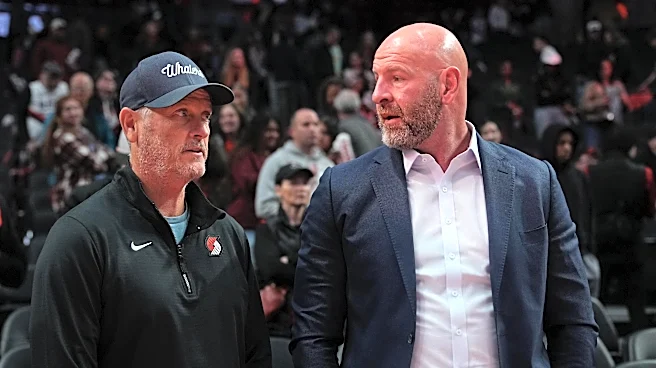
That structure, however, should surprise nobody. Enter world-renowned frugal penny-pincher Trail Blazers owner Tom Dundon.
Since taking over, Dundon has faced repeated criticism for cost-cutting decisions across the organization. The Athletic reported measures such as limiting travel accommodations—no two-way players allowed in postseason trips—cutting staff expenses—salaries down and team broadcasters fired—and previously offering below-market deals to coaching candidates, including interim coach Tiago Splitter before he left for another job—Dundon reportedly refused to offer Splitter more than $1-$1.5 million.
Against that backdrop, the Nori contract just reinforced the growing perception that Portland Tommy D is only and blatantly prioritizing financial flexibility and keeping his pockets safe over long-term investment and building a professional, competitive, let alone winning, basketball team.
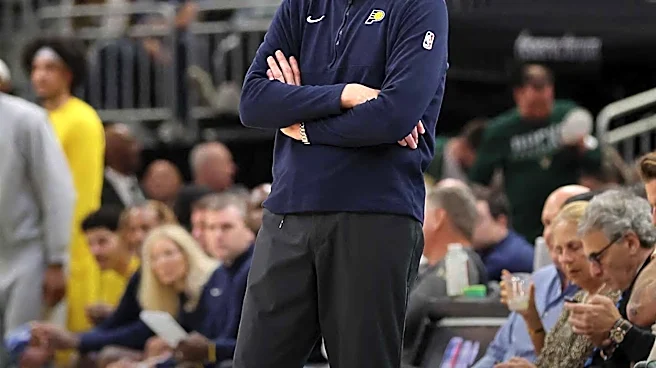
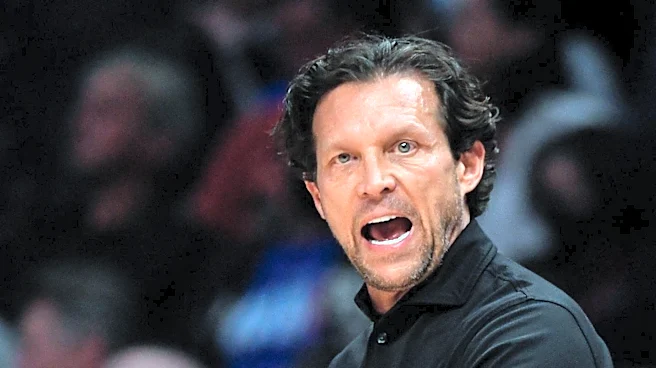
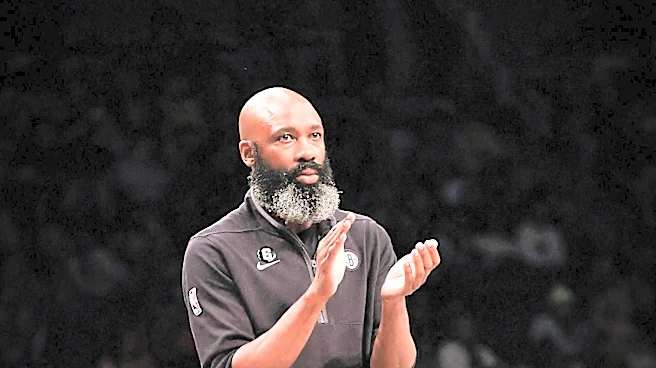
J.B. Bickerstaff, head coach of the Detroit Pistons and president of the National Basketball Coaches Association, publicly blasted the Blazers’ approach and deal signed with Nori on Wednesday.
“I understand his story and his journey to get to the spot where he was able to get this opportunity, and I don’t want to take away from what should be a special moment for him, for his family, and a job that’s well deserved and earned,” Bickerstaff told ESPN. “That’s first and foremost.”
Bickerstaff then emphasized that his criticism was not aimed at Nori, a longtime assistant finally receiving a head-coaching opportunity, but at the conditions attached to it and the precedent set by accepting the deal.
“But I feel like he was put in a situation that he shouldn’t be put in with having to make a choice of this nature because of the structure of what the contract is,” Bickerstaff said. “It’s unfortunate that you have a dream, and from our perspective, it’s like someone’s taking advantage of your dream and devaluing what we feel like coaches have earned over the years.
“You think about the sacrifice, the time, the growth that coaches have helped and done with the NBA, and then for someone to come in and attempt to devalue the work that coaches have in this league is extremely disappointing.”
The concern extends beyond Nori’s salary and term with the Blazers, but more worryingly into how such a short, incentive-laden deal could affect team dynamics.
“It changes the math on where a coach stands, and it creates an environment where how do you hold players accountable when it looks like you are easily replaced and removed if things don’t go the way that players may see it going,” Bickerstaff said. “It’s almost, which is disappointing, a mindset of the substitute teacher being there with no guarantee or support [regarding] what it looks like long term or in the future.
“I’ve talked to a lot of coaches — head coaches, assistant coaches — who are extremely concerned. It’s a very serious matter to us as coaches to make sure that we protect the value of coaching staffs. It’s years and years of work that coaches have put in to put ourselves in this position and to put future coaches in the position where our value remains and isn’t disregarded because of a power flux of ownership.”
On top of that pile of excrement, Nori’s deal also comes after a delightfully turbulent coaching stretch in Portland that might not have an end in sight and could make it hellaciously hard for the Trail Blazers to escape from and rebuild the appeal of the position to future candidates.
Former head coach Chauncey Billups was extended before being removed from the organization following legal issues, leaving Portland paying for his contract while restarting its head coach search. Splitter took over and was willing to say, but Dundon decided against it, and Tiago is now about to lead the Chicago Bulls.
At the end of the day, the reaction from Bickerstaff and others highlights a fear about contracts such as the bizarre one offered by the Blazers and signed by Nori, as they could reshape expectations for coaching security across the league.
Whether the Blazers’ approach becomes a one-off experiment or a model others attempt to replicate is still unknown. For now, if you want to know more, check out fellow SBN blog Blazers’ Edge and Dave Deckard’s extraordinary post about the situation.