


The Kansas City Royals have no shot at making the playoffs this year and no shot at a winning record. They are playing out the string, not quite mathematically eliminated but counting down the days until they are—recent winning streak notwithstanding. This is not ideal. Ideally, we’d be freaking out about every game because the Royals are in the thick of the playoff race and every game matters to the standings.
But there are benefits the games not mattering whatsoever to the standings. Teams that
are in this position have a superpower: they can just try stuff. When teams are really bad, you can risk significantly more downside, which incentivizes playing high-risk, high-reward players over low-risk, low-reward ones.
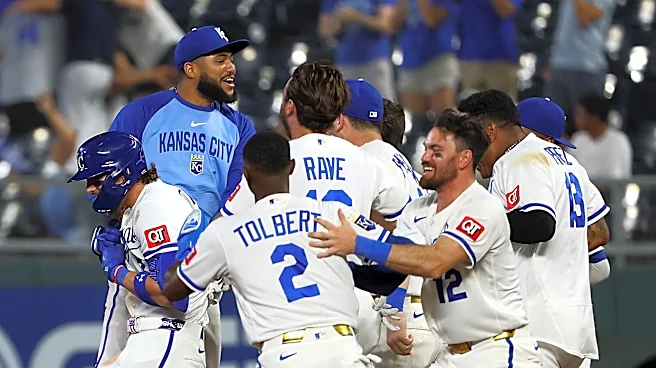
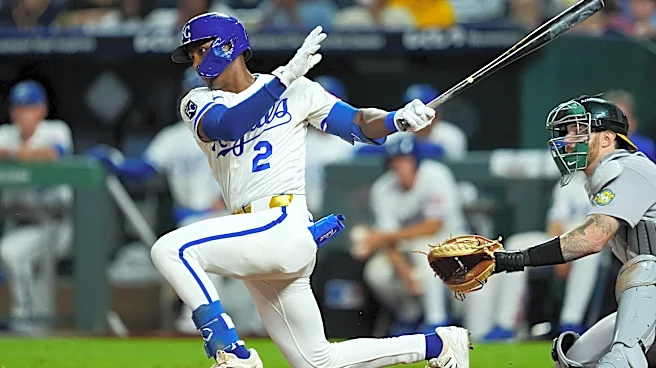
This is precisely why the Royals should be putting Tyler Tolbert in the lineup every day.
Now, that sounds a little crazy on the surface, I know. The Royals drafted Tolbert out of the University of Alabama in the 13th round of the 2019 MLB Draft. It is, of course, an honor to be drafted at all and a testament to one’s talents. But also, like, every team in the league declined to pick him up a dozen times before Kansas City selected him because Tolbert’s tools weren’t as loud or as refined as the competition. Even now, the 5’ 10” Tolbert isn’t exactly a physically imposing force or the biggest threat at the plate.
Except…Tolbert is making it work.
Beginning the year, Tolbert’s use case on the roster was a sort of Terrance Gore pinch runner specialist. Tolbert has always been a great swiper of bags; he stole 55 bases in 2021, 60 in 2022, 50 in 2023, and 48 in 2024 as he slowly climbed the ladder. Tolbert then stole 21 bases in 23 tries last year in his first year in the big leagues.
But it has been Tolbert’s bat that has been intriguing. Yes, he’s run a sub-.150 isolated slugging percentage—and sometimes much lower than that—pretty much every year since getting drafted. Tolbert has countered that with a solid contact rate and an ability to draw a walk, and it’s translated to the big leagues in his small sample size 168 plate appearances.
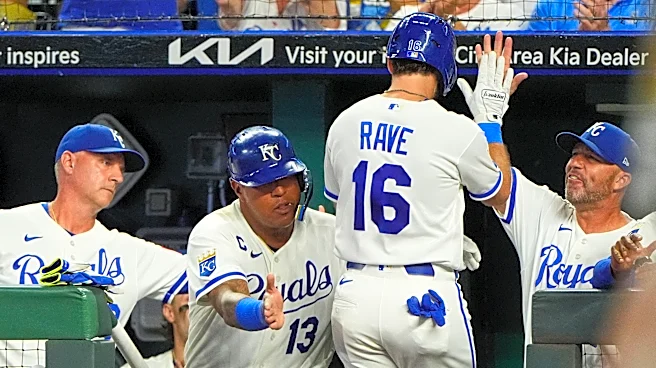
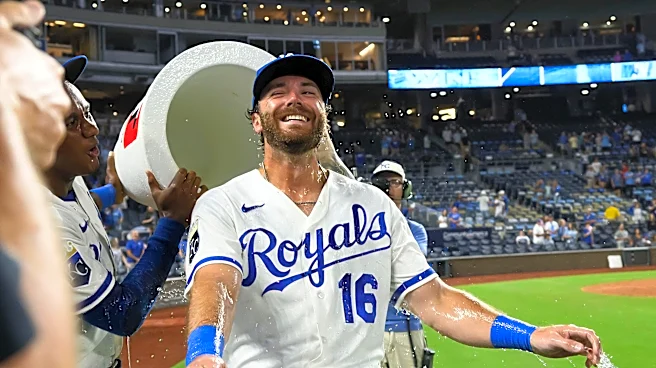
So, why should the Royals play Tolbert? That’s easy: Tolbert has untapped potential that simply isn’t in his direct competitors, aka John Rave, Michael Massey, Kyle Isbel, and Nick Loftin. With the possible exception of Rave, who all of a sudden is a huge bat speed and barrel rate guy, we know who those guys are: they are decent players without standout tools who are gonna give you 0.5 to 1.5 Wins Above Replacement over the course of a year. That’s not bad! We’ve all seen the Royals trot out way worse guys.
Tolbert, however, does have that standout tool. He’s in the 93rd percentile in sprint speed, which allows him to make plays that the others just can’t—both on the bases and in the field. And since Tolbert has also played all around the diamond, he’s the rare sort of utility player who can handle center field and shortstop. Finally, although it’s a small sample size, Tolbert leads all of Rave, Massey, Isbel, and Loftin with a .313 expected weighted on base average. That’s lower than his luck-fueled current slash line, but it also means that there’s some fire behind the smoke.
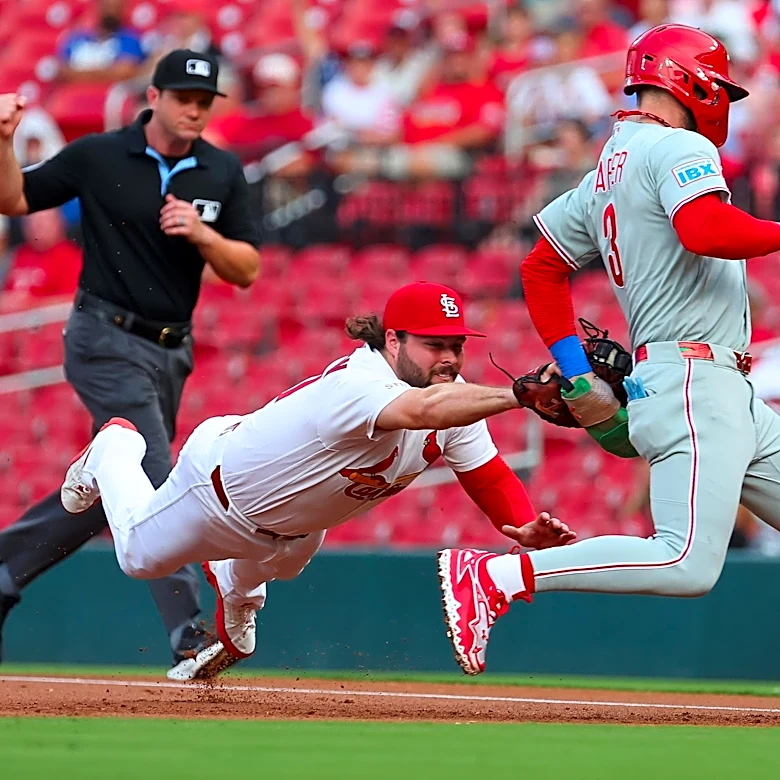
There are downsides to Tolbert, too. Anybody who’s watched the Royals this year has seen Tolbert get picked off, make mental mistakes, and generally not do the small things that you’d expect a player like him to do. And there’s the fact that it is still unlikely Tolbert can hit enough to stick as a regular because of the lack of power, which will probably suppress his ability to draw walks.
Remember, though: the risk of downsides is something the Royals can live with when other contending teams can’t. And trying to determine if they can get a cost-controlled regular center fielder is well worth the effort and the risk.