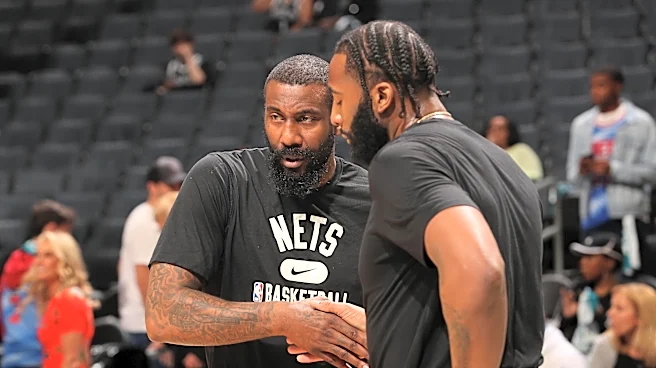


The recent dismissal of Charles Oakley’s long-running lawsuit against Madison Square Garden marks a brutal collision between the unwritten code of loyalty and the court’s objective reality. For a third time, Judge Richard J. Sullivan of the Southern District of New York dismissed Oakley’s remaining assault and battery claims. The nine-year battle stemming from the infamous ejection in February 2017 consistently ends the same way. However, for anyone who has read The Last Enforcer, the legal defeats
barely explain the feud’s full scope.

Oakley’s memoir serves as an oral history of moral correctness, providing the context for why a retired player refuses to let an almost decade-old legal dispute rest, even as mounting losses and legal fees pile up. Reading the book alongside Judge Sullivan’s latest ruling highlights an interesting contrast. It pins the reality of the American judicial system against the stubborn, emotional pride of a basketball enforcer.
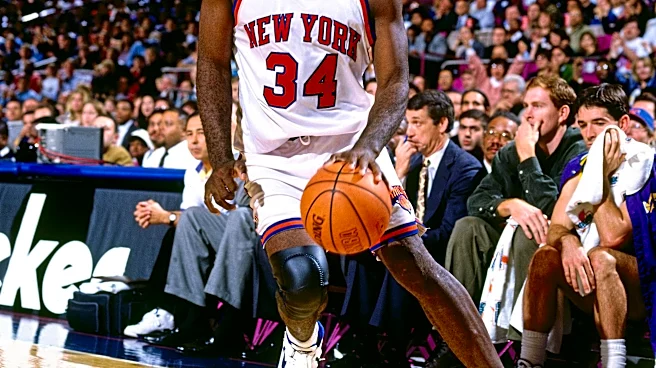
To understand this endless litigation, we have to look back at the era of basketball Oakley helped define and the specific role he carved out. Throughout his memoir, Oakley discusses his time under Pat Riley and Jeff Van Gundy. During the 90s, he established himself as the alpha bodyguard, specifically for Patrick Ewing. He describes willingly sacrificing his body to shield his teammates from harm on the court and scrutiny of New York’s media. He constructed the blue-collar intimidator identity that defined 90s Eastern Conference basketball.
The irony of his current situation is painful. The sacrificial dynamic Oakley details in his book contrasts with his current standing with the Knicks organization. The man who bled to defend his team is now treated as a hostile trespasser by the franchise he protected. He draws a direct line between how the franchise treats its legends and its corporate culture. Oakley argues that the organization as a whole does not respect the players who built the foundation.
Unsurprisingly, Oak pulls no punches when discussing James Dolan. Throughout the book, he portrays him as a privileged figure with thin skin who demands compliance. Oakley strongly claims the Knicks owner abuses his power, holding grudges against anyone who dares to criticize him or the team. For Oakley, the ejection from MSG was never about legal statutes. Instead, it was about standing up to a bully who used arena security to settle a personal vendetta. What makes the book’s portrayal so compelling is how MSG’s actual corporate behavior mirrors Oakley’s narrative. After the recent ruling, MSG didn’t simply issue a standard public statement. Instead, they went on the offensive, declaring their intention to pursue legal action against Oakley’s attorney, Douglas Wigdor, and his firm, accusing them of “frivolous litigation” and “blatant abuse of the judicial system.” This combative retaliation illustrates what Oakley continuously revisits in his memoir.
While Oakley succeeds in painting himself as a marginalized hero battling the corporate monster, courts do not operate by locker-room codes. They stick to evidence, which repeatedly dismantles Charles Oakley’s claims. Judge Sullivan provided a definitive ruling, noting that ample evidence proved the Knicks legend was never pushed to the ground. It stated that Oakley had a reasonable opportunity to leave The Garden peacefully but resorted to physical violence instead. Sullivan also concluded that no rational jury would find that security intentionally created fear or unlawful contact.
For the former power forward, the legal reality of this whole circumstance has been quite costly. Beyond having his claims dismissed three separate times, the litigation has carried a steep financial burden. In 2025, a judge ordered Oakley to pay nearly $642,000 in attorney fees and costs related to MSG’s efforts to recover deleted text messages after the incident. Unfortunately for Oak, the evidence and the judicial system have unquestionably sided with Dolan and the Knicks organization.
Despite the defeats, The Last Enforcer’s primary theme explains what takes place next. The same stubbornness and refusal to back down that made Charles Oakley a beloved legend is what keeps him appealing the lawsuit. Whether it’s on the basketball court or in the courtroom, he does not know how to back down from a fight.
Just one day after the most recent dismissal, Oakley used Instagram to display a photo from his playing days, adding “#ItsNotOver” and “#JuryTrial.” To complement the Instagram post, his legal team has already indicated its intention to appeal to the Second Circuit Court again. Though unlikely, they hope to get a jury trial this time around.
This whole ordeal marks the tragedy of an enforcer who fails to hear the final buzzer. While the court issued a definitive ruling, the friction between Oakley’s narrative and MSG’s aggressive postering ensures this messy dispute isn’t over. Concluding whether Charles Oakley’s legacy will be defined by his on-court enforcement or this endless legal battle remains a complicated discussion, potentially creating more divisiveness before it’s through.