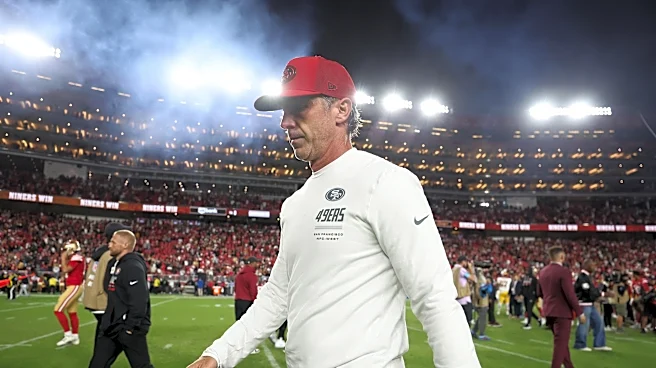




Dre Greenlaw, Deebo Samuel, Kendrick Bourne, and now DeForest Buckner.
The San Francisco 49ers now have four players who left, either in free agency or via trade, and eventually made their way back to Santa Clara. You might see one or two players return to their original team, but not at the rate the 49ers have.
There are two ways to look at this. The first is that the 49ers are a first-class organization. While wide receiver Mike Evans wanted to play with Brock Purdy, George Kittle sold him on it with all
the things the 49ers do differently. It was either more modern technology, personalized nutritionists instead of a team nutritionist, or other small things that cost a lot of money and don’t show up on a salary cap sheet.
The second: the grass isn’t always greener elsewhere.
That’s not to say there aren’t grievances from the 49ers’ returning players. Dre Greenlaw had some choice words for Denver Broncos head coach Sean Payton, but it’s not so much an indictment that other teams are worse, just that the 49ers do something right.
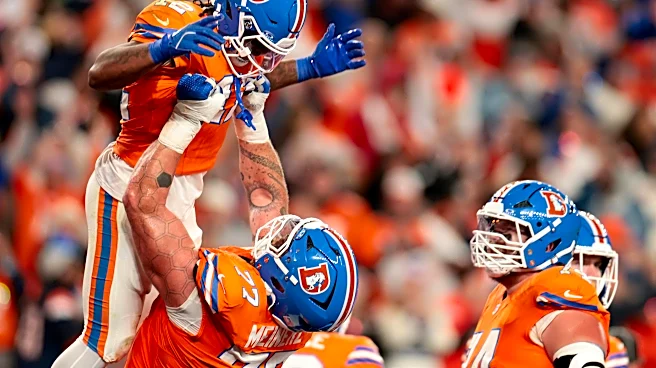
Greenlaw left for a three-year, $35 million deal in Denver. This resulted in eight games and a release after one season. A release he felt was handled poorly.
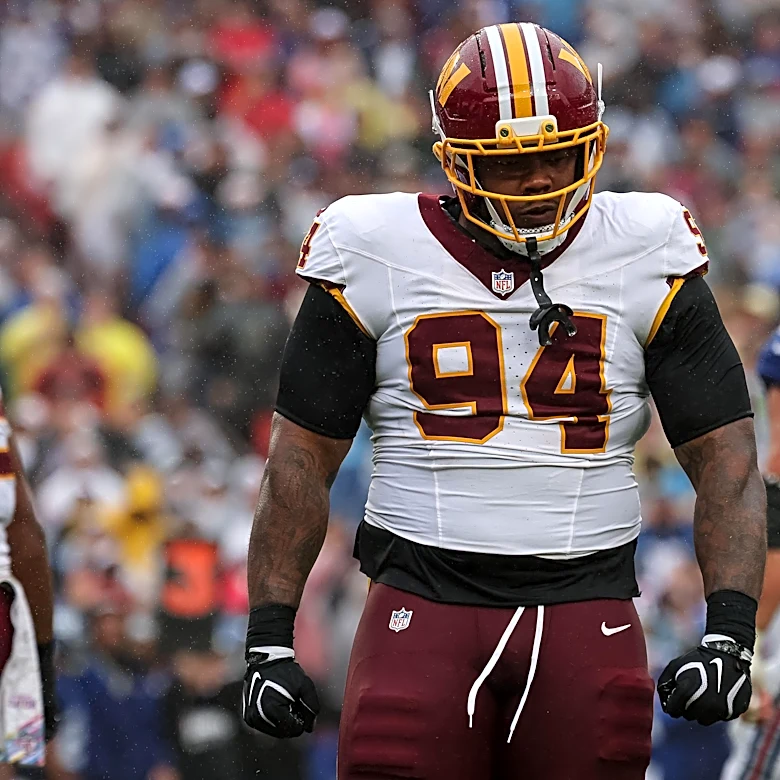
Then there’s Samuel. He was traded to the Washington Commanders and got a crowd-pleasing 17 carries. This is after he averaged around 45 a season over his previous four years with the 49ers. Same player, different usage. The time away was so short that Samuel said he felt like he never left.
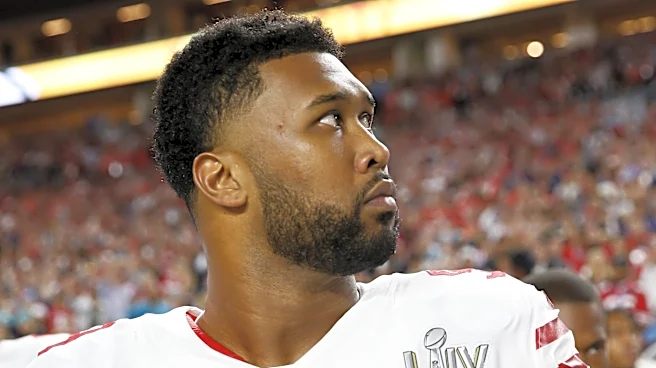
And finally, Buckner.The latest addition of returning players. The Chicago Bearswere reportedly interested in the defensive tackle in this week’s NFC arms race. Buckner himself wanted San Francisco. Reports said Buckner was unhappy with the extension offer—which is fair. If there really were burned bridges back in 2020, would he really be gunning to go there? Doubtful.
And that second point is even more valuable for rookies to keep in mind when their contracts expire. Sure, they can go for the big money—and they should—but they also now have three players in the building (minus Bourne, who returned for 2025 only) who went after a better deal or a different role and know what it’s like to leave the 49ers—sometimes frustrated.
This isn’t an argument to say players need to take whatever cheap deal the 49ers offer because they are the 49ers. Sometimes letting players go is the 49ers’ mistake. While the 49ers used the savings from Buckner’s deal to extend Arik Armstead and Jimmie Ward, the trade itself—a first-rounder from the Indianapolis Colts—backfired because Javon Kinlaw—the pick meant to replace Buckner—did not work out.
It’s helpful for veteran leadership and a talking point for the younger players. The 49ers have had some good drafts both in 2025 and 2026, and those young players can look to three people in the locker room who were drafted by the 49ers, left, and returned—and know what leaving the team is like as well as why they came back. Then they can look to George Kittle, among others, as to why he stayed.
It also offsets the grievances of one Brandon Aiyuk. Aiyuk’s offseason antics ofnever wanting to do business with the 49ers create an impression of an insufferable organization. One that all players should avoid.
And players talk; they take notice. Free agents and draft prospects can all look at Aiyuk and think something is wrong with the 49ers.
Aiyuk looks more and more like a severe minority when you see Buckner, Greenlaw, and Samuel coming back and playing hard. Playing devil’s advocate for his side of the 49ers feud gets more and more difficult when you see other players having no problem returning—even after the 49ers couldn’t pay them what they wanted initially. If the 49ers were such an evil organization, how can you explain all three of them coming back? Again, Buckner said it was San Francisco or nowhere.
I’ll never argue against a player getting paid. There’s too much fine print in a contract in a league referred to as “Not For Long” for them not to get the best deal for them and their family. That said, the fact that the 49ers keep the door wide open should they want to return—and players accept—says something about the organization. And the players themselves can tell rookies and second-year players what to expect when they sign on the dotted line with another team.
Sometimes that’s more valuable than a film breakdown.