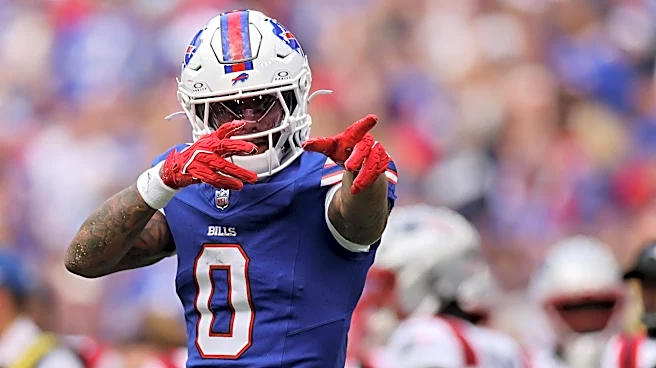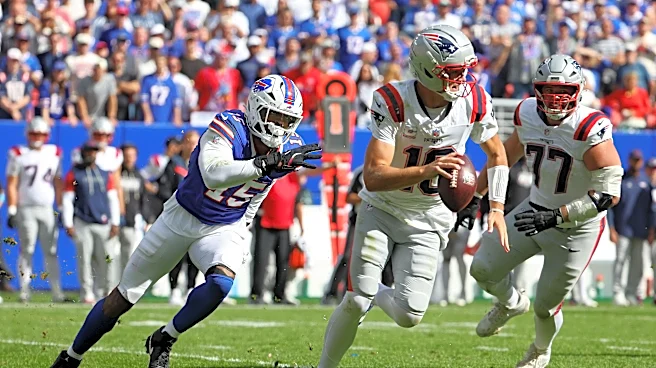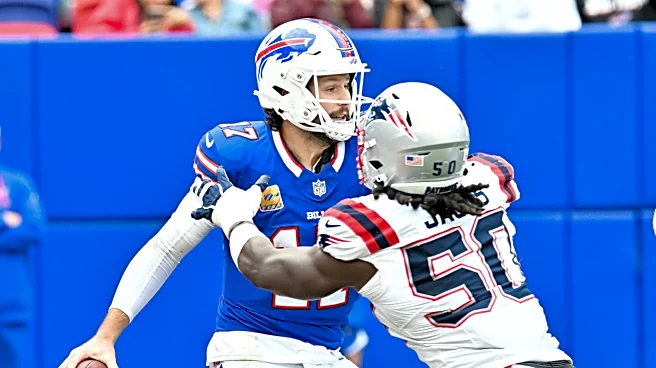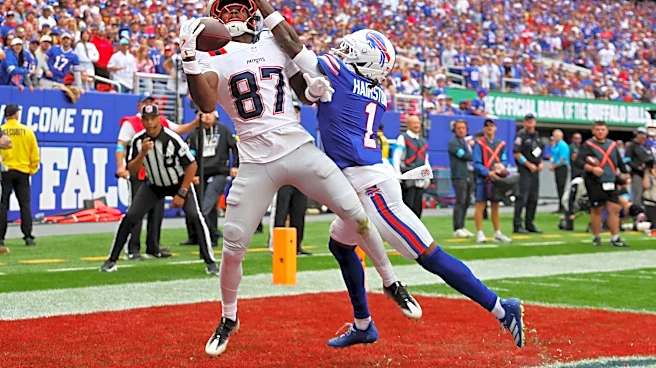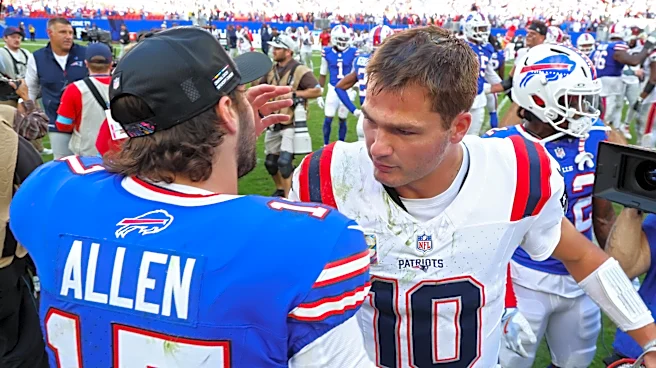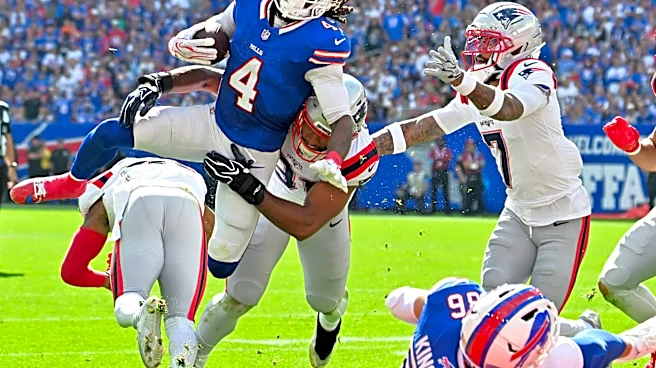


Buffalo’s first loss of the season came with plenty of questions. The snap counts provide a few clues, but they certainly don’t make the Bills’ 29-26 loss to the New England Patriots any easier to digest.
The Bills logged 59 offensive snaps, 76 defensive snaps and 26 special teams snaps. That is a lot of time for a struggling defense to spend on the field, especially when the coverage kept giving Drake Maye somewhere to go with the football.
And on offense? There is a glaring reality that the Bills
do not need four tight ends. Even if all four made an appearance.
Every snap for the offensive line, with some uncomfortable questions
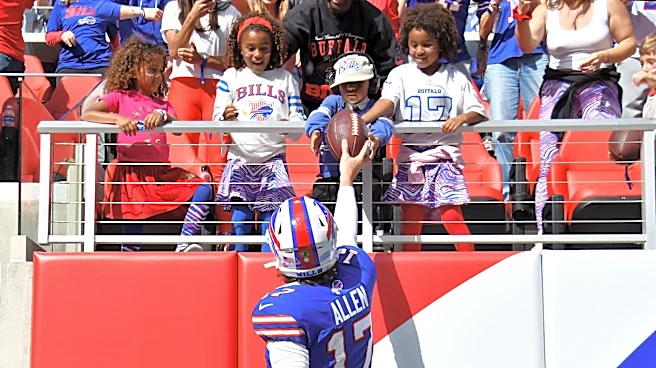
Josh Allen and all five starting offensive linemen played all 59 offensive snaps. Alec Anderson, Dion Dawkins, O’Cyrus Torrence, Spencer Brown and Connor McGovern handled the entire workload.
Unfortunately, being available for every snap and playing well on every snap are two different things. Dawkins’ pass protection is becoming a concern for me. The hope was that his weight loss would help him get off the snap quicker, but what I’m seeing lately is a left tackle getting overpowered all too often. Buffalo needs to find a way to give Allen more dependable protection, whether that means help with an additional tight end (since we have so many) or better execution from the players already out there. Something needs to change.
Four tight ends, but what did Buffalo get out of it?
Dawson Knox led the tight ends with 36 snaps (61%), followed closely by Dalton Kincaid with 35 (59%). Jackson Hawes played 14 (24%), while Keleki Latu appeared for one offensive snap (2%).
I’m still struggling to see the payoff. If Buffalo needs additional help in pass protection, that group ought to be part of the solution.
There is some context worth keeping, though: Latu played 18 special-teams snaps (69%). His offensive role was tiny, but his role elsewhere was substantial. Is it enough to keep 4 tight ends on the active roster?
James Cook: Still waiting for the football
Cook played 35 offensive snaps (just 59%). Ty Johnson handled 19 (32%), and Ray Davis played four (7%).
Cook’s 12 carries produced 75 yards and a touchdown, good for 6.3 yards per attempt. Another productive afternoon. Another afternoon where I’m asking why he didn’t get more opportunities. Being on the field for more than half the offensive snaps is fine. Actually giving him the ball when he’s running that effectively would be even better.
Coleman leads the receivers
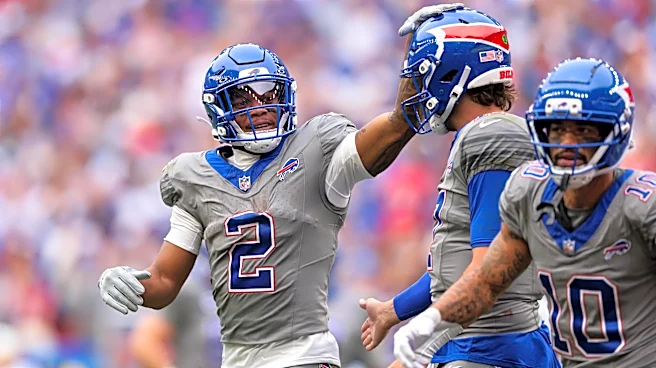
Keon Coleman led Buffalo’s receivers with 46 snaps (78%), just ahead of Khalil Shakir’s 45 (76%). Joshua Palmer played 35 (59%), DJ Moore played 23 (39%), and Greg Dortch played two (3%).
Moore re-aggravated his shoulder injury sidelining him yet again. Coleman made his workload count with six catches for 116 yards and the fourth-quarter touchdown that briefly put Buffalo ahead. On a frustrating afternoon, his emergence was one of the few things worth feeling good about.
Dortch’s bigger role came on special teams, where he played 11 snaps (42%). Hawes added 10 (38%), Davis five (19%), and Johnson four (15%). Lloyd Cushenberry and Austin Corbett each played four special-teams snaps without appearing on offense.

A heavy workload at linebacker, with disappointing impact
Terrel Bernard played 70 defensive snaps (92%). He wasn’t quite out there for every play, but he was close, and that much playing time makes his lack of impact even harder to overlook.
There are stretches where it feels like he’s missing from the action. Buffalo needs its inside linebacker to do more than occupy a spot on the snap-count sheet.
Dorian Williams played 52 snaps (68%). I commended him last week. This week, I thought he looked even worse than Bernard, particularly in pass coverage. That is a pretty uncomfortable reversal in seven days.
The Bills have problems in the middle of the defense and in the secondary. When both areas struggle at the same time, the pass rush can only cover up so much.
Plenty of work for a secondary that couldn’t close the door
Davison Igbinosun, Cole Bishop and C.J. Gardner-Johnson played all 76 defensive snaps. Maxwell Hairston, who was exploited all afternoon, was nearly a full-time participant with 74 (97%). Damar Hamlin and Dee Alford each played 24 (32%).
Christian Benford did not suit up because of an injury, leaving Buffalo without one of its starting cornerbacks. That absence is important context for Igbinosun’s full workload and Hairston’s nearly full afternoon. The Bills were already shorthanded, and the coverage problems made that absence feel even bigger. It would have been nice to see Kani Walker take a snap or two on defense with the struggles of the secondary but the decision was made to keep his snaps solely on special teams.
Watching Maye find answers behind Buffalo’s pressure was maddening. The Bills could disrupt the pocket, but too often the coverage failed to finish the job. The snap counts show who was out there. They don’t make what happened behind the pass rush any prettier.
The edge tandem keeps working
Bradley Chubb played 63 snaps (83%), with Greg Rousseau right behind him at 62 (82%). Both were among the brighter spots in my view, creating disruption and contributing against the run.
Deone Walker led the interior defensive line with 59 snaps (78%). DeWayne Carter played 45 (59%), Greg Gaines 31 (41%), Landon Jackson 29 (38%), and Ed Oliver 24 (32%).
Oliver’s reduced workload was injury-related, with everyone else’s increased playing time coming because of Oliver’s injury.
Elsewhere in the rotation, Parker played 20 defensive snaps (26%), Kaleb Elarms-Orr played 16 (21%), and Hoecht played 15 (20%).

Special-teams workload
Joe Andreessen and Sam Franklin led Buffalo with 21 special-teams snaps apiece (81%), followed by Javon Solomon with 19 (73%). None of the three played a defensive snap.
Hoecht added 17 (65%), Elarms-Orr 15 (58%), and Hamlin and Parker 14 each (54%). Kani Walker played 11 (42%), Tyler Bass 10 (38%), and Reid Ferguson, T. Couch and T. Doman eight apiece (31%).

What’s next?
Buffalo is still 3-1. But there is plenty to fix before the next snap-count sheet arrives, starting with better protection for Allen, especially if he’s making a consensus decision to not run, Moore opportunities for Cook, and a defense that needs to make its time on the field count. Unfortunately, the next test for the defense comes against a better offense, under the Monday night lights in Los Angeles. The Bills have a week to find answers, and two tough games heading into their bye week. If they are not careful they can go from 3-0 to 3-3 very easily.