
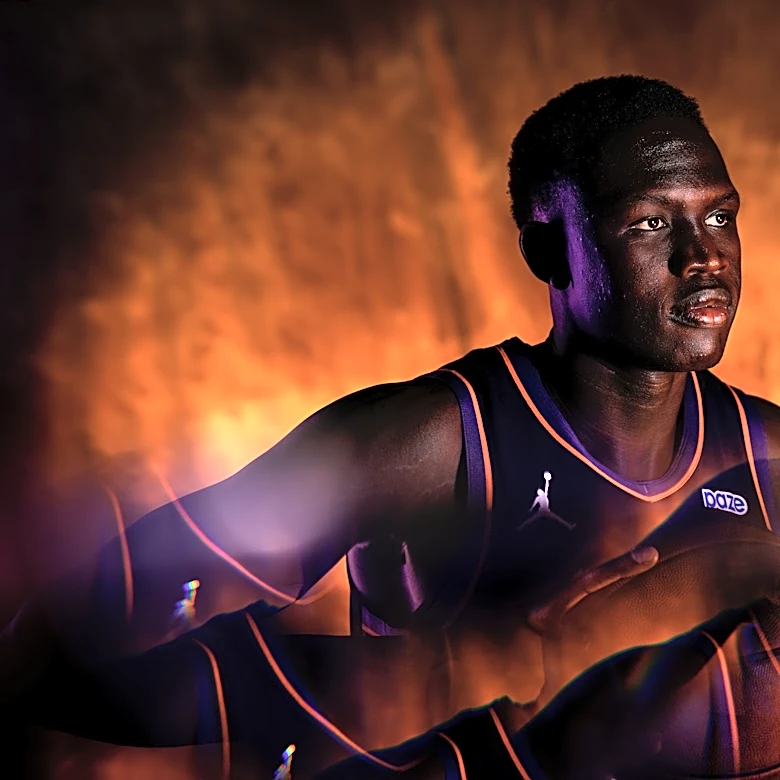

When the Warriors lost their play-in game to the Suns 111-96 last season, the year ended at 37-45 and Steve Kerr walked into the postgame presser sounding like a man drafting his own farewell. “These jobs all have an expiration date,” he said; his contract had already hit one.
I’m gonna defer to the legendary Anthony Slater at ESPN who described how for the next three weeks Kerr sat with owner Joe Lacob and general manager Mike Dunleavy and talked about everything from how the team should play to who should be sitting
next to him on the bench. Apparently the real sticking point was the roster as Jimmy Butler and Moses Moody were both rehabbing serious knee injuries that will keep them out into the new year, and the core was getting older by the month. There was belief that if management wanted to hit the eject button and rebuild, Kerr probably wasn’t the coach for that job.
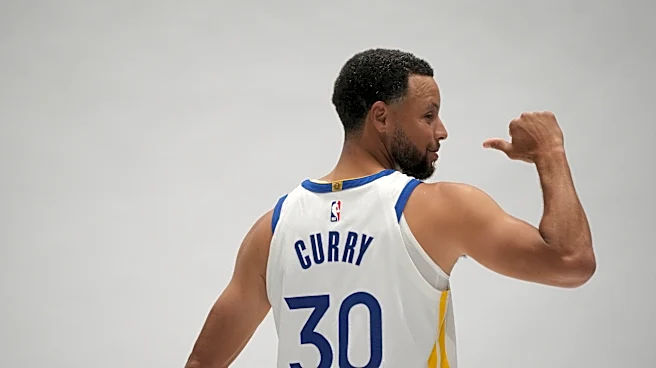
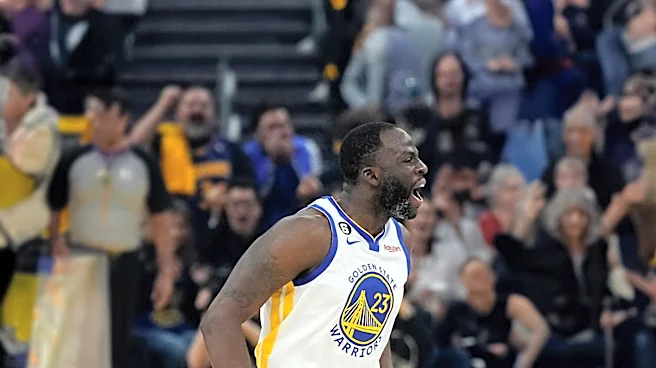
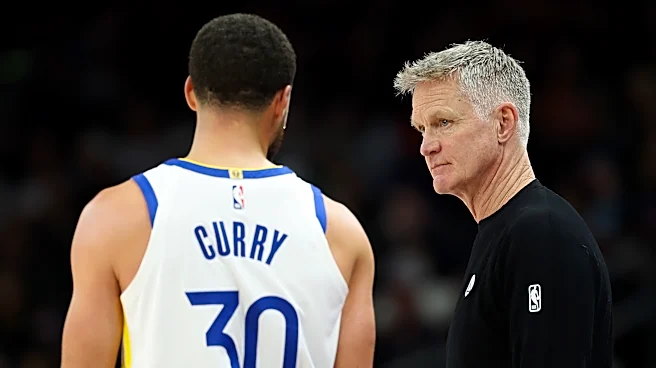
Management didn’t hit the button though! On May 9 Kerr agreed to a two-year deal that keeps him the highest-paid coach in the league after he made $17.5 million the season before. Kerr brings stability, championship know-how, and the comforting voice that Stephen Curry and Draymond Green have been hearing for most of their careers.
The question from Dub Nation is whether Kerr can develop some young frontcourt talent while the Warriors are still trying to win. The narrative is that he has relied on squeezing all the juice he can out of trusty veterans while recent top lottery picks like James Wiseman and Jonathan Kuminga never realized their potential in Warriors’ uniforms.
That brings us to this past summer, when Golden State’s No. 11 pick was their most valuable chip, and for a while it looked like it might get packaged for a star.
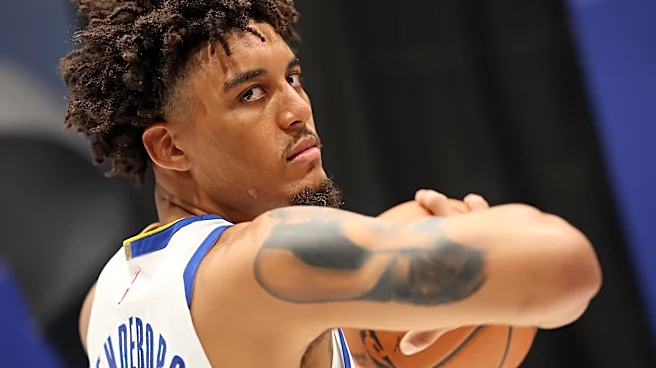
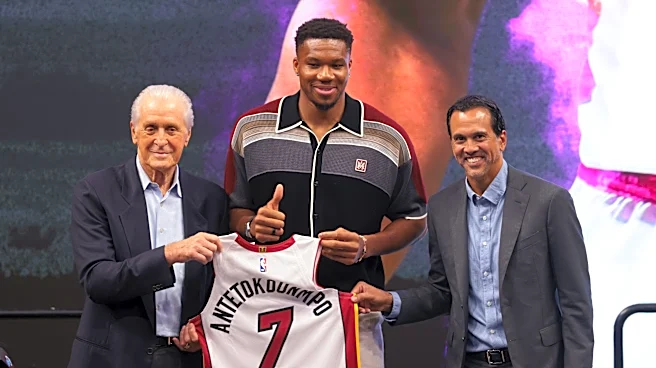
Then Giannis went to Miami, and the Warriors kept the pick. A couple days before the draft, the front office asked Kerr what the roster needed most. Dunleavy told NBC Sports Bay Area that Kerr’s answer was, “There’s a huge gap in the middle of it with our forward position.” He wanted a connector, somebody who could fill that hole by sliding into the Steph and Draymond machine and keeping it moving. Dunleavy said he sat there wondering whether Kerr was steering them toward Yaxel Lendeborg on purpose. Then they took Lendeborg at 11, and on paper you can see what Kerr saw.
Lendeborg was the best player on a Michigan team that won the national title, averaging 15.1 points, 6.8 rebounds and 3.2 assists while stuffing the defensive box score too. He’s 6-foot-9, 240 pounds, and took the long road through junior college and UAB before Michigan, where he evolved from a bruising power forward into a wing. He’ll be 24 when the season starts. Then he went out and led the Warriors to a Summer League title, just in case anybody needed some more data before the season starts that this young man is a hot prospect.
The opening for Big Yax is real. Butler’s knee has him targeting early 2027, Kuminga is in Minnesota, and besides Draymond Green the other options at the four are Gui Santos, Georges Niang and Malevy Leons (unless you go super big with Kristaps Porzingis and Al Horford). None bring Lendeborg’s combination of size, athleticism, and spacing. Here’s every frontcourt player the Warriors have drafted in the Kerr era since 2019, plus Trayce Jackson-Davis, whose rights they traded for, with their rookie-season numbers:
Eric Paschall — 2019, No. 41: 60 games, 27.6 MPG, 14.0 PPG, 4.6 RPG
Alen Smailagić — 2019, No. 39: 14 games, 9.9 MPG, 4.2 PPG, 1.9 RPG
James Wiseman — 2020, No. 2: 39 games, 21.4 MPG, 11.5 PPG, 5.8 RPG
Jonathan Kuminga — 2021, No. 7: 70 games, 16.9 MPG, 9.3 PPG, 3.3 RPG
Patrick Baldwin Jr. — 2022, No. 28: 31 games, 7.3 MPG, 3.9 PPG, 1.3 RPG
Trayce Jackson-Davis — 2023, No. 57: 68 games, 16.6 MPG, 7.9 PPG, 5.0 RPG
Quinten Post — 2024, No. 52: 42 games, 16.3 MPG, 8.1 PPG, 3.5 RPG
The best rookie line on the board belongs to Paschall, the 41st pick in 2019. He got a ton of playing time with the Splash Bros out and was a genuine bright spot in a dismal pandemic season. I loved that year for him…and I also remember the rest of the roster, because 2019-20 was the 15-50 year. Paschall got those minutes because somebody had to play them. When the roster got reformed around Curry, Paschall’s fit suddenly started disappearing. Remember his quote:
“Steph and them came back, and Dray was hurt early in the season,” Paschall explained. “But I couldn’t play with Steph early in the season. I’m still going to do me — y’all saw what I did last year. That’s what I’m thinking. But I can’t do that because I’m on the floor with Steph all the time. I ended up asking to come off the bench. I was not wired to set a screen, pass up an open shot — like if I’m open, I’m shooting it. It gave me a false reality of how the NBA works.”
The Dubs traded Paschall before the 2021-2022 season and won a championship, while Paschall was out of the league the next year. So the one frontcourt player the Dubs drafted who really put up numbers with serious playing time suddenly had trouble fitting the minute the basketball started revolving around Curry again. Hmmm.
Take Paschall’s outlier season out and the rookie frontcourt pattern gets loud. In any year the Warriors were trying to win something, no rookie frontcourt player averaged more than Wiseman’s 21.4 minutes. Kuminga played 70 games as a teenager on a championship roster and stayed under 17 minutes a night, which was the right call for a team hanging a banner. Baldwin, a first-rounder, barely got off the bench. Jackson-Davis and Post, picked 57th and 52nd, both had promising stretches before eventually being overshadowed by the vets.
There’s one common denominator with those guys: all of them are gone! The Warriors have been swinging at frontcourt prospects for over half a decade, and nothing has stuck.
The good news is Kerr isn’t being asked to teach another teenager how to play NBA basketball. Wiseman and Kuminga were 19 and learning the league in real time. Lendeborg has already played the highest level of college ball and Kerr’s checklist of dribble, pass, shoot and process is something that the rookie apparently aced. The Curry era is running on borrowed time, and the franchise has been desperately trying to find the next wave of quality players that show up while the old ones are still here. If Lendeborg develops into the big, jack-of-all-trades connector Kerr envisioned, then Golden State’s coach has something he hasn’t had since the dynasty’s prime: a young frontcourt player he can close games with.
If he doesn’t, a coach who nearly walked away in April will be staring at the same roster problem that almost ended his run, with fewer years left to solve it.