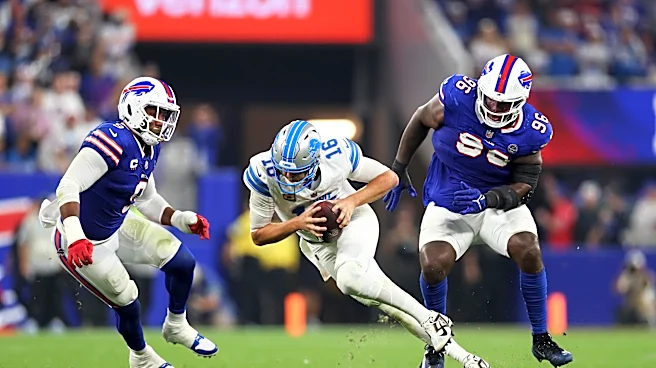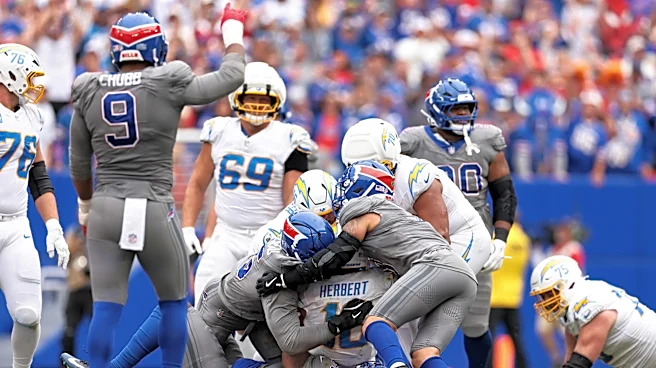



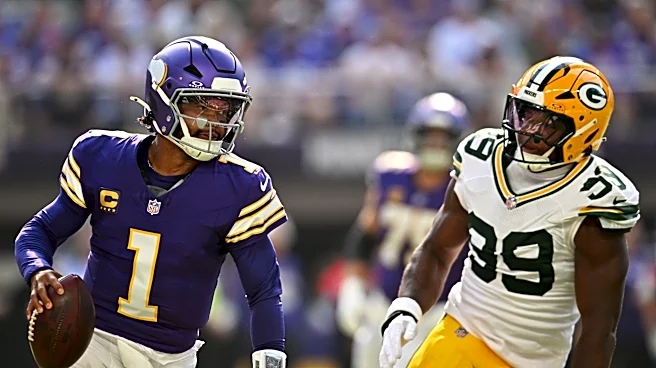
With 2:51 remaining in the first quarter of the Buffalo Bills victory over the Los Angeles Chargers, Bills edge rusher Gregory Rousseau was called for a roughing the passer penalty for a hit against Chargers quarterback Justin Herbert.
On the play, Herbert got rid of the ball as Rousseau was beginning the tackle. The man affectionately known as “Groot” wrapped his arms around the Charger QB and, as they both fell to the ground, let go of either side of the former Oregon signal-caller. Rousseau landed
on Herbert with both his hands no longer touching the quarterback, but due to the league’s emphasis on the so-called “body weight rule”, a 15 yard penalty for roughing the passer was assessed against Buffalo.
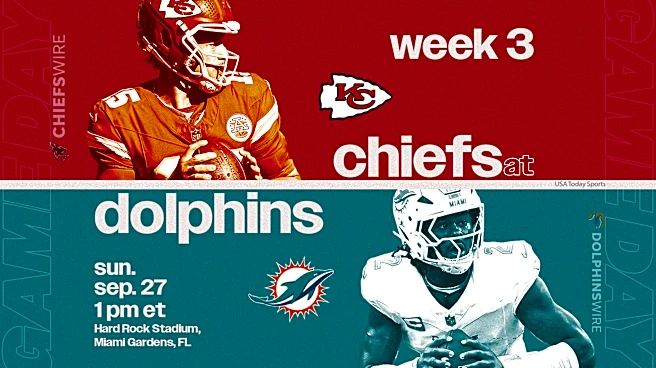
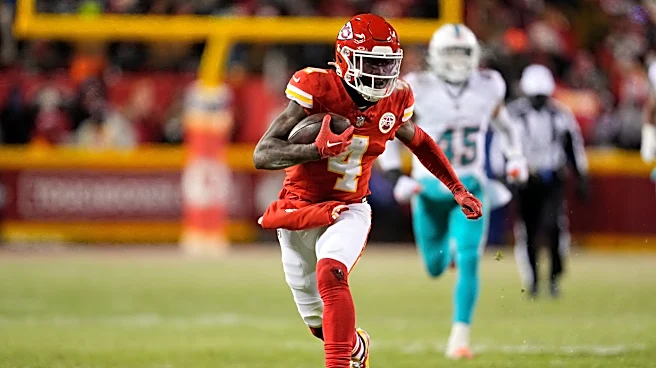
This play, combined with a play in the Miami/Kansas City game against Patrick Mahomes, led to a firestorm of social media posts outlining the “yeah the rule is dumb, but that’s the correct enforcement of the rule” mantra that has frequently made its rounds in the aftermath of one of these plays. These comments correctly identify that this rule has been on the NFL rulebook since 1995 with an added emphasis since 2018, spurred by an injury to then-Green Bay Packers quarterback Aaron Rodgers.
Here’s the thing though:
They’re wrong and the NFL officials are wrong in their application of the rule in both the above situations.
Using the NFL’s official rulebook as posted, the rule applicable for roughing the passer in this instance, in full, is as such:
A rushing defender is prohibited from committing such intimidating and punishing acts as “stuffing” a passer into the ground or unnecessarily wrestling or driving him down after the passer has thrown the ball, even if the rusher makes his initial contact with the passer within the one-step limitation provided for in (a) above. When tackling a passer who is in a defenseless posture (i.e. before, during, or after throwing or attempting a pass), a defensive player must not unnecessarily or violently throw him down or land on top of him with all or most of the defender’s weight. Instead, the defensive player must strive to fall to the side of the passer’s body, or to brace his fall with his arms to avoid landing on the passer with all or most of his body weight.
One of the challenges in contract law, and by extension rulebooks, is defining what words mean. In describing the intended application of the body weight rule for calling roughing the passer, the NFL Competition Committee utilized two specific terms that matter: “unnecessarily” and “violently”. Instead of leaving the rule to end with the word “weight” in the official rule above, the NFL specifically provided an outline in the final sentence of the rule to give their officials guidance of what should be expected of a defense player to avoid the “unnecessary” and “violently” tags and by extension, the penalty.
How do we know the final sentence is designed to create a way to avoid the penalty? The NFL began the final sentence with the word “instead”. “Instead” creates a binary in the hypothetical situations outlined. It’s either one or the other. You cannot have two situations which are connected with the word “instead” and have them both be true at the same time. In the rule, the player either “unnecessarily or violently throw(s) (the quarterback) down or land(s) on top of him with all or most of the defender’s weight” or the defensive player “strive(s) to fall to the side of the passer’s body”, or “brace(s) his fall with his arms to avoid landing on the passer with all or most of his body weight.” The comma immediately followed by the word “or” in the second sentence connects the two items the defender may strive to do in order to create situation #2 (not a penalty) and not situation #1 (a penalty). The only difference between the two situations created in the final two sentences of the rule is that one of them outlines the defender “striving” to either a.) fall to the side of the passer’s body or b.) brace his fall with his arms to avoid landing on the passer with all or most of his body weight. In the other situation, the defender did unnecessarily or violently throw the quarterback down.
The NFL is defining “unnecessary” and “violent” through the binary created by their usage of the term “instead” and any challenge to the rule would involve this specific portion of it. If the defender strives to either fall to the side of the quarterback or brace himself with his arms to avoid a full-weighted fall, a flag should not be thrown by the NFL’s own rulebook.
In both situations discussed here, the defender strove to brace himself with his arms to avoid a full-weighted fall. Whether the defender does or does not land on the quarterback and what percentage of landed weight is present is irrelevant; the binary is written based upon the observed intent of the defender through two clear actions they may take.
This is not a “yeah the rule is dumb, but that’s the rule” situation. If the final sentence of the rule didn’t exist, I’d agree with that. If the word “instead” wasn’t used, I’d agree with that because it would create a resultant rule: regardless of any action prior to landing, the defender landing on the quarterback with most or all of his body weight would constitute a foul. That resultant rule interpretation is the way the referees and the commentators online are viewing the rule, but that’s not the way it’s actually written. Instead, it’s creating a situation where an action from a defender as outlined can create a situation diametrically opposed to the situation that outlines the appropriate time to throw the flag.
If you want to get literal, let’s get literal.
I won’t bill any hours for this.
…and that’s the way the cookie crumbles. I’m Bruce Nolan with Buffalo Rumblings. You can find me on Twitter and Instagram @BruceExclusive and look for new episodes of “The Bruce Exclusive” every Thursday on the Rumblings Cast Network — see more in my LinkTree!