




Coming into 2026 with not as high of expectations as the few years prior due to a new-look roster, the Minnesota Lynx surprised all of us with an impressive performance over the course of the regular season.
Minnesota was the best team in the WNBA all season long, and for the third straight year finished with more than 30 wins to once again grab the top seed in the playoffs. And yet, for the third straight year, the Lynx had a disappointing finish in the postseason — this time ending in a surprising
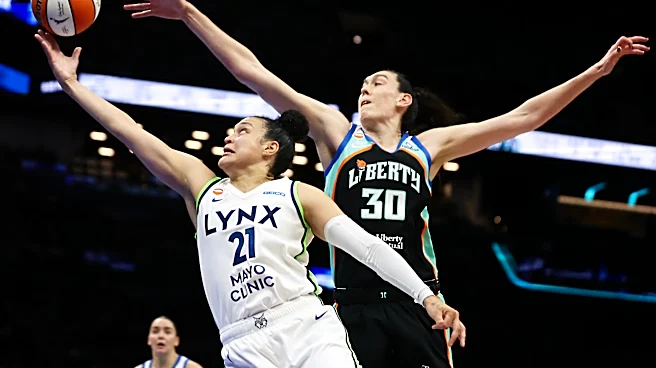
sweep against the eighth-seeded New York Liberty in the first round.
Minnesota expected to still be playing right now, yet they are now watching the rest of the WNBA playoffs like the rest of us — at home.
Though another season ended in disappointment, there were some good things to take from the year, bad things to focus on correcting, and now, the question of “what’s next?” for the Lynx.

The Good
Regardless of how the season ended, there was plenty of good things to grab from a Lynx season that few expected after the remake of the roster last offseason.
For a majority of the regular season, the Lynx were not only the top team in the WNBA record-wise, but they were the best team on both ends of the floor (second in NETRTG). Minnesota fed off of its defense, which led to success on the offensive end. It was a recipe that has oftentimes led to deep playoff success for the franchise.
The Lynx ended up winning 33 games, securing 30 or more wins in three straight seasons. They became the first team in WNBA history to achieve that feat. That doesn’t happen by mistake.
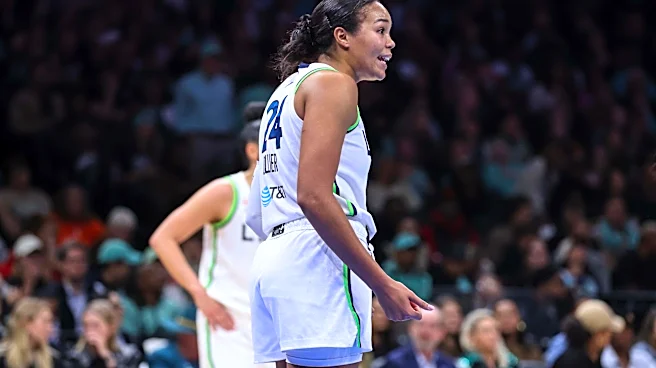
The additions the Lynx brought onto the team after seven players departed either in free agency or via the Expansion Draft were home runs, fitting into the roster better than anyone could have expected. Natasha Howard quickly made her mark as the starting center and made the All-Star team. Nia Brodie was a valuable veteran that continuously stepped up, starting in lieu of Napheesa Collier, and finishing strong in the playoffs. Maya Caldwell, recipient of the Sylvia Fowles Altruism Award, was one of the first players off the bench and often provided a much needed spark with her defensive tenacity.
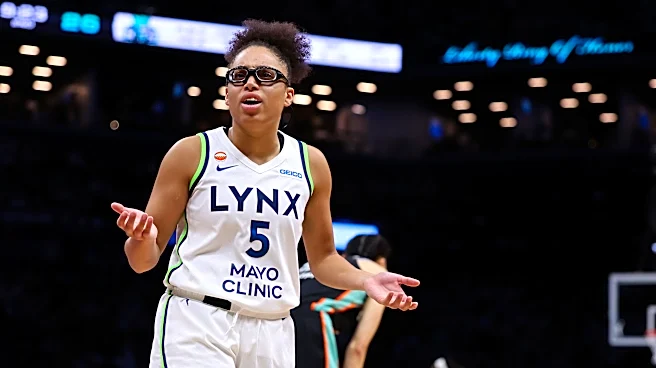
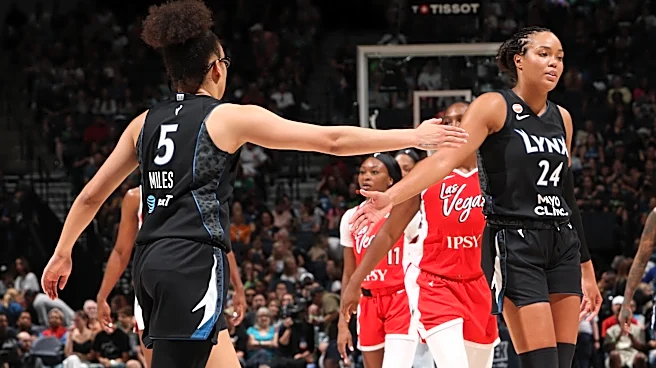
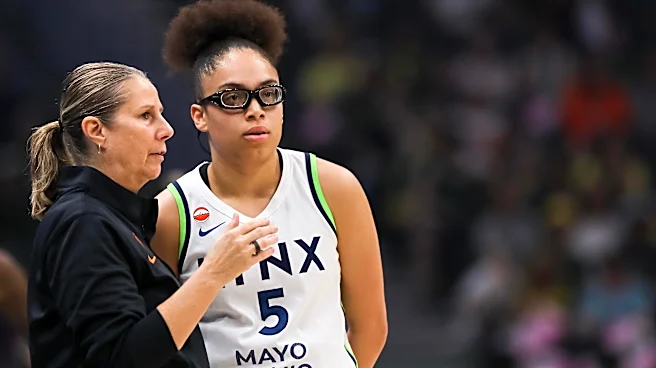
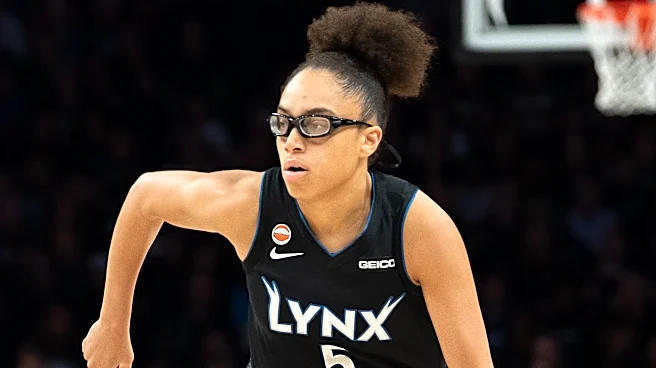
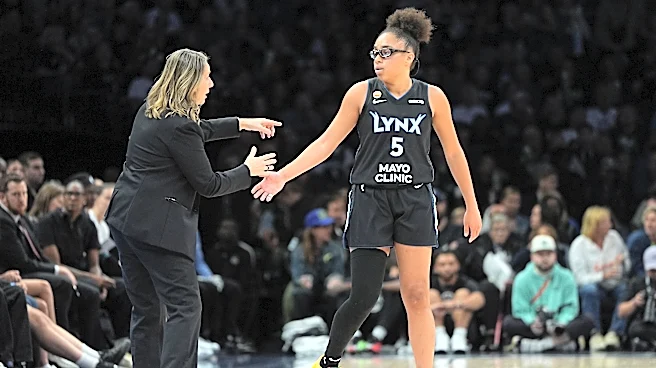
And then, of course, there is the rookie. Olivia Miles, the unanimous Rookie of the Year, put on a show right out of the gate in her first WNBA season. Minnesota maybe thought Miles would pick things up quickly and be a solid contributor in her rookie campaign, but nobody could have expected a season like she had — one that will go down in history as one of the best rookie seasons that also put her name into the MVP conversation.

The Bad
There’s no sugercoating it: the way the regular season ended and postseason unfolded is the biggest takeaway from what was an impressive, memorable regular season for many reasons.
Over the final few weeks, and maybe even final month-plus, of the regular season, Minnesota didn’t look like the team we all saw and got used to seeing earlier in the summer. The Lynx weren’t clicking like the cohesive unit they were when they shot up the WNBA standings. They weren’t playing as well on both ends of the floor like they were to earn them the label of best team in the league. They weren’t playing with the fire and motivation, or even joy, that fans fell in love with in the first few months of the new year.
All of that was concerning, but many, including the person writing this story, thought the FIBA World Cup Break would be exactly what Minnesota needed to rest up and right the ship before the postseason arrived.
Instead, it went the exact opposite way. Napheesa Collier didn’t look like the player she was before her injury. You could even argue she didn’t look fully healthy since her debut from double ankle surgery in late-July. Miles was starting to become inconsistent and had some tough matchups that limited her impact down the stretch. The offense stopped clicking and the ball stopped moving like it had earlier in the season. The defense wasn’t shutting down opposing offenses like they were months prior.
The Lynx weren’t the team they were throughout the majority of the 2026 campaign. And for various reasons, they never got back to that level. The best team in the WNBA during the season was no longer the best team in the WNBA.
Ultimately, Minnesota wasn’t able to correct things before the playoffs arrived, and a talented New York Liberty team took full advantage of that. As a result, the Lynx are at home and won’t have a playoff win in 2026 despite being heavy favorites to win the WNBA title.
Once again, the Lynx’s success didn’t translate into the postseason. And it was another story of coming up far shorter than they expected.

What’s Next?
Last offseason changed a lot for Minnesota. After losing seven players from a roster that reached the WNBA Finals in 2024 and the semifinals in 2025, the 2026 campaign was kind of an alignment year to direct the organization where it will go into the future.
Entering the season, it felt like a trial year to see what pieces would fit onto the Lynx roster, what players should remain on the roster moving forward, and how Minnesota would attack the upcoming offseason leading into the 2027 season.
Good, bad, or indifferent, this season told the Lynx a lot in terms of what lies ahead for the organization.
Among the players on the roster from 2026, six are under contract in 2027: Kayla McBride, Courtney Williams, Miles, Howard, Brodie and Ola Kosu. The rest of the roster, including Collier? That part will get interesting.
Entering 2026, there was already some form of tension between Collier and the Lynx, resulting in some thinking she would end up leaving Minnesota if it didn’t make a run in the playoffs. (Collier signed just a one-year max deal, as opposed to multiple years as many other players in her tier did.) With the outcome of not making a run in the playoffs now known, does Collier decide to start anew and move on from the only WNBA team she has played for?
If so, that of course leaves a big hole on the roster that the Lynx would need to fill. But would also allow them some serious salary cap space to try and fill that spot. Some might even argue that the way Minnesota played without Collier, maybe it’s in the best interest of both sides to move on, as crazy as that sounds when talking about an MVP talent.
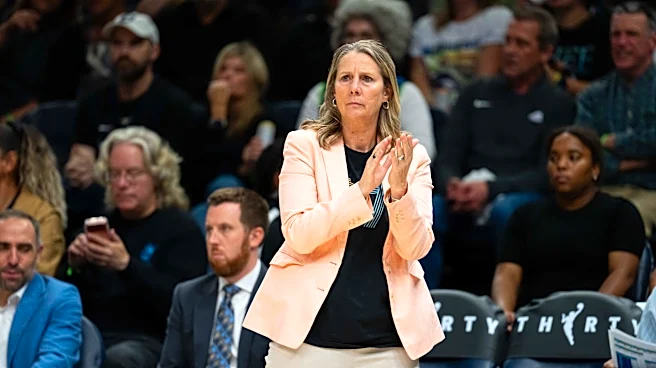
If she does want to run it back with Minnesota, keeping Collier on the roster of course helps this team. And giving her an offseason to get back to full strength would help. If that outcome takes place, it’s about just filling the depth on the roster around Collier, Miles, McBride and company. Cheryl Reeve said in her press conference following the Lynx elimination that she felt the past three rosters weren’t championship material, and that they largely overachieved despite being a strong regular season team.
The next question that needs to be answered is what the Lynx will do to address the lack of depth that appeared in 2026. EuroLeague MVP Dorka Juhász didn’t produce off the bench like Minnesota hoped. The promising young prospect Emma Čechová had her season end before it really began, despite great early returns. Caldwell and Brodie alone wasn’t enough help from the second unit.
Other questions we won’t know the answers to until next year include whether or not Miles can use this hard learning opportunity in the playoffs to get even better in her sophomore season. Additionally, is it possible for McBride, who had one of her best seasons at age 34, and Williams, named a 2026 All-Star at age 32, to continue at the pace and workload like they did this season. Lastly, is it possible for Minnesota to find free agent gems like they did with Howard and Brodie last offseason?
And perhaps the biggest question of all: will the Lynx be building their roster around Miles and Collier this offseason, or will it be the rookie point guard as the centerpiece moving forward?
This offseason will tell all, and we’ll find out in the coming months.