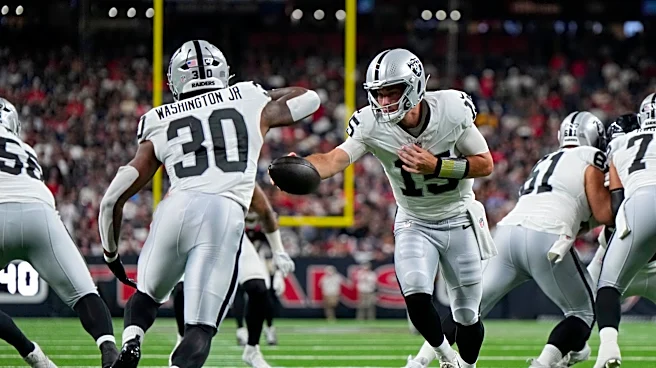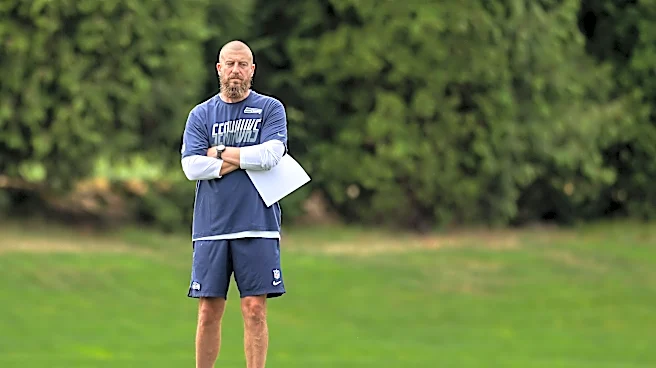


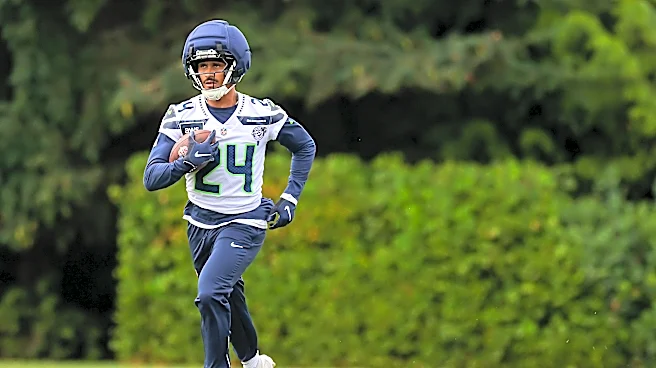
Once Klint Kubiak took over as head coach of the Las Vegas Raiders this offseason, one of the biggest questions on the minds of Seattle Seahawks fans was how much change we’d see offensively with Brian Fleury taking over as coordinator. On the latest episode of the Sea Hawkers Podcast, Derek Coleman, a.k.a. “Coach DC”, sat down to examine two preseason games and what early tape shows about Fleury’s offense versus the Super Bowl winning version Kubiak installed last year. For the full, detailed conversation
tune into the video embedded below. Here are the biggest takeaways.
1. The Ace formation is back
After Kubiak left, Coach DC wondered whether Seattle would keep it. The early film says yes. Kubiak’s 12-personnel “Ace” formation includes two tight ends and two receivers aligned in a balanced, mirrored 2-by-2 set. Same spacing and width to both sides. It was a highly effective formation from which to run play action. Fleury has already shown the formation, including multiple times in this past game against Tennessee. Continuity here matters and “Ace” remains a versatile, high-success package that fits this tight end room and stresses defenses the same way it did a year ago (at 12:02 in the video below).
2. More running-back motion and shotgun option concepts
One of the first things Coach DC noticed with Fleury’s offense was increased running-back motion just before the snap, a look more common in San Francisco. The back often motions toward the two-receiver side, forcing second-level defenders to widen and helps to open up throwing lanes underneath. Combined with it is a heavier diet of shotgun run concepts and option-style reads than last year’s under-center-heavy attack. The quarterbacks appear to be reading the edge or second-level defender. While Sam Darnold has the athleticism to keep it occasionally, as he showed in the Super Bowl, don’t expect high-volume quarterback runs. However, used sparingly, these wrinkles can help create some easy yards (4:06 below).
3. The Seahawks offense looks like a Shanahan-Kubiak hybrid, not a reset
Formations and run concepts overlap more than they diverge. During the show, Coach DC described a Venn diagram with a large shared middle. Play-action boot to the field after run action to the boundary is still there. Protection answers so far do not look locked into the rigid Shanahan style that got exploited in a Super Bowl loss to the Chiefs. It appears that retaining John Benton could be a key here, evolving around the same core principles while adding motion and shotgun options (10:46).
The thing remains unclear: How the ball gets distributed
Expect a spotlight early on in the season as to how much Seattle’s tight ends are featured. Coach DC says AJ Barner could be a 70- to 75-catch player, with 6-10 touchdowns, as a featured pass catcher — approaching Trey McBride’s level of productivity. But Jaxon Smith-Njigba, Rashid Shaheed, Cooper Kupp, Tory Horton, a commitment to the run game, and an emerging Elijah Arroyo will all need touches, too. Considering the Shanahan tree likes to get the running back room involved more in the pass game as well, it’s more likely that Barner doesn’t get that high level of volume. Arroyo’s development as a blocker will also determine how often both tight ends stay on the field together. So the question remains: how many of those targets will exist over 17 games?
Coach DC covers many other questions in the episode including losing Jake Bobo and Robbie Ouzts as chess pieces (21:42), Jalen Milroe’s decision-making during his second preseason stint (7:48), and additional details surrounding Fleury’s offensive formations (34:54). Early tape suggests Fleury is keeping what worked and adding a few new tools. Check out the full discussion below.