



Somewhere on YouTube right now, a craftsman is prying a water-stained dresser out of a pile somebody left by the curb. Half a million people or more will watch him do it. They’ll watch him strip the ruined finish, find the grain underneath, and restore something beautiful that was an hour from the landfill.
There’s a reason those videos hold us. Restoration is patient work. It rewards the eye that sees what a thing could be instead of what it has become. Anyone can buy new. It takes a craftsman to look
at distressed wood and know the distress is a surface problem.
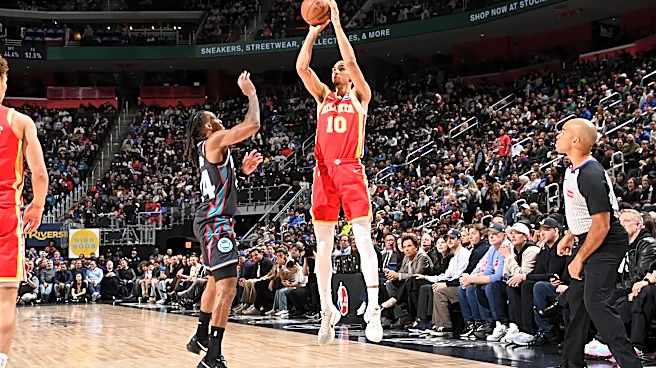
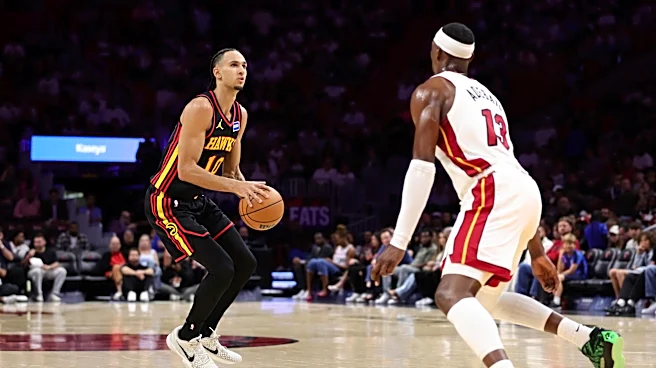
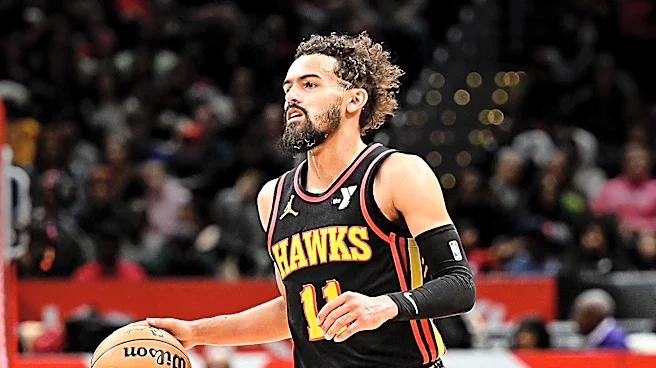
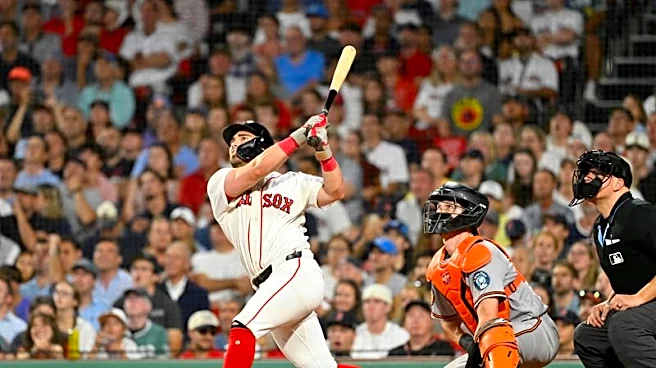
On Sunday, the Mavericks pulled Zaccharie Risacher off the curb.
The find
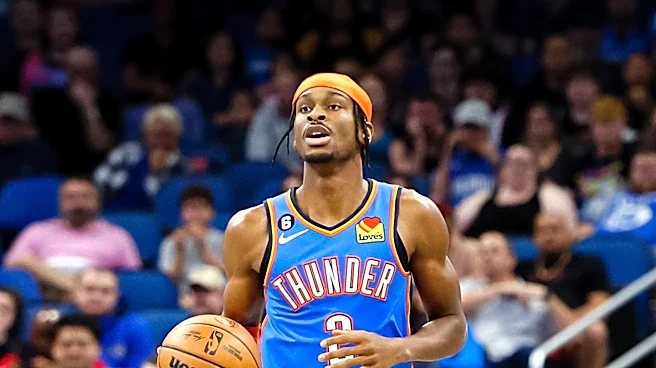
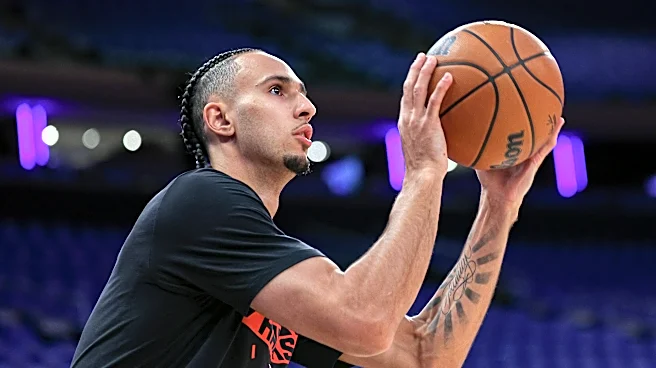
The deal itself is simple from the Dallas side. Oklahoma City needed off Lu Dort’s money, because that’s what happens when a champion tries to stay together under the second apron. The hard choices come for everyone eventually, even the model franchise. Atlanta wanted Dort. And the Mavericks, seeing two teams that needed each other, inserted themselves as the facilitator and walked out with a 21-year-old former No. 1 overall pick.
The outgoing price: Ryan Nembhard to Atlanta and Chicago’s 2027 second-round pick to Oklahoma City. Dallas even got a deeply protected 2027 second back from Atlanta in the deal, while Risacher’s $13.8 million salary slid into the traded player exception created in the Anthony Davis trade.
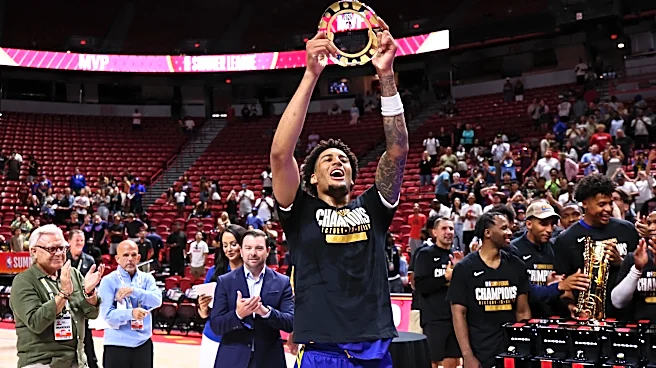
Nembhard had real moments as a rookie and a rough Summer League, and trading him from the thinnest position on the roster tells you Dallas valued this upside swing more than its current point guard depth. That exchange amounted to a guard the front office was willing to move and a reshuffling of second-round equity for a player who went first overall two years ago.
What’s under the finish
Here is what the league sees when it looks at Zaccharie Risacher: a No. 1 pick from a weak draft who went backwards in year two. Points down. Minutes down. Phased out of the rotation by spring. In a redraft, he doesn’t go first. Maybe he doesn’t go in the lottery.
Here is what else is true.
Risacher came over from France at 19 and put together a genuinely decent rookie season: 12.6 points a game, four 30-point nights, more than any rookie in the league that year, and a runner-up finish to Stephon Castle for Rookie of the Year. Then came the sophomore campaign, and it was a disaster. The organization lost confidence in him, and somewhere in there, you have to wonder if he lost confidence in himself.
We look at a draft slot and a stat line and we expect the graph to ascend, year one to year two, like the player is a software update. These guys aren’t robots. Imagine being 19, in a foreign country, trying your best, doing pretty well, and then having the floor drop out in year two while most of the league writes your basketball obituary at 21.
It is worth noting that the executive who led the decision to draft him first overall was gone. Atlanta fired Landry Fields after Risacher’s rookie year, leaving the people who moved him on Sunday without the same reputational stake in defending the pick. That’s how a former No. 1 selection ends up priced like distressed wood. The people selling it weren’t the ones who paid the original price.
The acquisition price is distressed. The contract decision is not entirely. Dallas must decide by October 31 whether to exercise a $17.4 million option for 2027-28, before the restoration has had much regular-season time to reveal itself. The bet is still favorable. It simply isn’t costless.
There’s one more layer of irony worth savoring. Last winter, when the Mavericks were shopping Anthony Davis, Risacher’s name surfaced in trade rumors with Atlanta. Those talks fizzled. Davis went to Washington instead, and that trade created the very exception Dallas just used to bring Risacher in anyway. The wood found its way to the shop after all. It just took the scenic route.
The tool they kept on the shelf
Earlier this month in this space, the argument was that the real brilliance of the six-team Aldama trade was what Dallas didn’t spend. By routing Khris Middleton back to Washington in a sign-and-trade, like a boomerang returning to the hand that threw it, the front office preserved the full Davis exception and kept most of its mid-level spending power intact. The biggest tool stayed on the shelf.
On Sunday, they took it down and used it.
This is what preservation is for. You don’t protect an exception to admire it. You protect it so that when a former No. 1 pick shakes loose from a franchise that stopped believing in him, you can absorb his salary without sending out anyone the new front office considered part of its core rotation. The patience in early July paid for the opportunism in late July. That’s craftsmanship. That’s a shop where the tools are kept sharp and hung where the workers can reach them.
Restoring on a staggered start
Now for the part of this that requires honesty about where the Mavericks actually are.
The draft cupboard isn’t barren, but it’s not what any new regime would want. Dallas’s 2027 first goes to Charlotte unless it lands in the top two. Oklahoma City holds swap rights in 2028. The Mavericks’ own 2029 pick is tied up in the Houston-Brooklyn machinery, leaving Dallas with the Lakers’ first instead, from the trade this fanbase will spend a generation processing. San Antonio holds swap rights in 2030. The first draft in which Dallas fully controls its own first-round destiny is 2031.
In the likeliest scenario, Dallas makes three first-round selections between now and then, and none of them come in the lottery. That’s my forecast, and I’ll own it: unless something unforeseen happens to the teams on the other side of those swaps, or the Lakers crater with the cornerstone Dallas handed them, those picks land closer to the end of the round than the top of it.
That’s not a standing start—that’s a staggered one…well behind a fair starting point to judge a set of decision-makers, but it is also life in the NBA. New front offices don’t inherit blank canvases in this league; they inherit the previous regime’s mistakes and get judged on the cleanup. Masai Ujiri and Mike Schmitz took this job knowing the assets that should have been in the drawer were spent by the people who came before them, spent chasing a window that the same regime then threw the franchise’s cornerstone out of.
So what do you do when you can’t draft your way back and you can’t trade your way to a second star, because the ammunition for that kind of deal simply doesn’t exist? You work the margins. You take on distressed assets, opportunistically, and you bet on your own eye for grain.
Look at what this offseason has actually cost. The No. 9 pick, which they used. A move from 30 to 25 for Sergio De Larrea that cost two future seconds. Their own second-rounders, which they used. And in the six-team deal: Middleton, AJ Johnson, a couple of seconds, and a Golden State first-rounder so heavily protected it was probably never going to be a first at all.
For that, they’ve added eight players to the organization’s young talent pool: Morez Johnson Jr., De Larrea, Tobi Lawal, Vsevolod Ishchenko, Santi Aldama, Marcus Sasser, Tarik Biberovic, and now Risacher. This is a molting, and we’re watching it mid-molt. Judge it at training camp, or at the deadline, or next summer, when the feathers have finished coming in.
But here’s the bet that makes the Risacher trade the signature move of the whole project. Barring another major move, Dallas has no realistic path to having a first-round pick next June. If Risacher spends this season being coached back into the player who finished second in Rookie of the Year voting, if he matures into someone you’d take over most of the bottom half of next year’s first round, then Dallas has effectively manufactured the pick it doesn’t own.
It is not the 2019 blockbuster that shipped out a large piece of the future to pair two young stars and accelerate a timeline. It isn’t the deadline deals that spent first-round picks on the pieces of a Finals run. Those were different tools for a different era, and whether this front office would make those kinds of moves is unknowable, because they haven’t been given the chance. They’re maneuvering on the margins by necessity.
So far, they’re doing it beautifully.
What gets restored first
There’s another video genre I can’t stop watching lately. A crew knocks on the door of a stranger’s house, usually someone older, sometimes someone who just can’t keep up anymore, and offers a deal: let us film it, and we’ll restore your yard for free. Half a day later a home that had become a source of quiet embarrassment is quaint again. Cared for again.
Millions of people watch those videos, and I think it’s the same instinct that keeps me transfixed by the woodworking channels. We love watching hidden potential get realized. We love watching someone kneel next to a thing the world gave up on and put in the elbow grease to find out what’s underneath.
That’s what this offseason has been. No big-names to finish off a nearly perfect roster. A restoration, conducted from well behind the starting line, by craftsmen who understood that the Cooper Flagg lottery night was only ever going to matter if the decisions that followed it were shrewd. Under the people who ran this team before, they weren’t going to be. Under these people, so far, they are.
Whether it ends in a title or just a couple of playoff runs that make this city feel like itself again, nobody can promise. But something is being restored in Dallas right now, and it comes before wins, before relevance, before any of it.
It’s hope.