









The Dallas Mavericks have two ways to sign Moussa Cisse to a standard NBA contract.
The first is the Minimum Salary Exception. Teams always have access to the minimum exception unless a hard cap restricts them. Using it, the Mavericks could sign Cisse for up to two years.
The second is to use a portion of the Non-Taxpayer Mid-Level Exception (NT-MLE). Even if they’re only using the minimum salary amount of the exception, they can sign him for up to four years.
Here’s where things get interesting.
If
the Mavericks want Cisse to become a restricted free agent (RFA) at the end of his contract, he’ll need to reach free agency with fewer than four years of NBA experience. His season on a two-way contract already counts as one year of NBA experience for minimum salary purposes and RFA eligibility.
That means there are really two clean paths if Dallas wants to preserve the possibility of restricted free agency:
1. Sign him to a two-year contract using the Minimum Salary Exception.

2. Sign him to a three-year contract using a small portion of the NT-MLE with a team option on the third year. If Dallas later wanted to make him an RFA, they would simply decline the team option and issue a qualifying offer.

A couple of related notes:
- Dallas can’t structure a contract with multiple option years. So they couldn’t do a 4-year contract with options in year 3 & 4. Only 1st Round Rookie Scale Contracts have that feature.
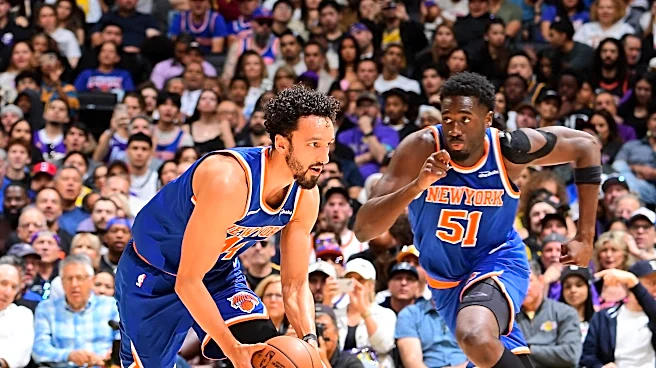
- The Mavericks also can’t replace the option year with a non-guaranteed year and expect the same result. To remove a non-guaranteed season, the team would have to waive the player, and waiving him relinquishes Bird rights and makes him an unrestricted free agent rather than a restricted one. This was the issue with Jalen Brunson’s contract that made him an unrestricted free agent.
I’m not arguing that the Mavericks should choose one path over another. I’m simply laying out what the CBA allows and how each option affects Cisse’s future free agency.