





There’s a line buried in San Jose State’s March 2026 announcement that feels bigger than it reads.
“Accessible to all.”
That’s the headline philosophy behind San Jose State’s unveiling a new “fan-friendly” pricing model for the 2026 football season; one built on affordability, community access, and a deliberately more intimate game-day environment.
On the surface, it’s a ticketing strategy. Underneath, it might be something else entirely.
Because in a Mountain West landscape trying to survive NIL economics,
transfer instability, and a widening gap with power conferences, this isn’t just about filling seats.
It’s about redefining value.
The right idea at the right time?
Let’s start with what SJSU is actually doing.
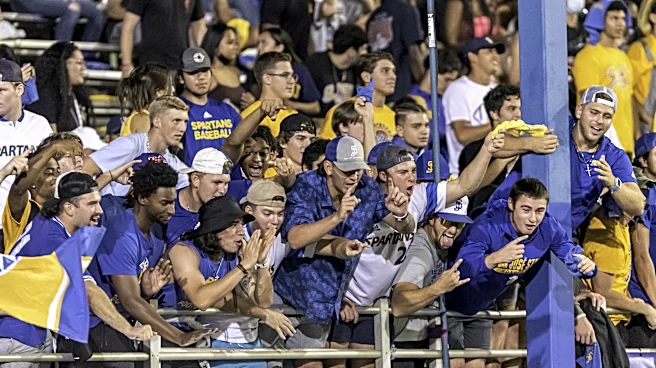
Lower entry prices. Family bundles. Concentrating fans into the lower bowl of CEFCU Stadium to create a tighter, louder environment.
The goal is clear: make game day feel full, affordable, and worth showing up for.
That matters more now than it did five years ago.
Because in an era where athletes are more transient and potentially limited soon to one transfer and five years of eligibility; the one thing mid-majors can’t afford to lose is connection.
Roster continuity may be coming back. But fan continuity? That still has to be built.
The mid-major reality check
For programs like San Jose State, the financial equation has always been different.
You’re not outspending anyone. You’re not out-recruiting the top tier. And increasingly, you’re not even retaining your best players year-to-year.
So what do you control?
Experience — environment — access.
This is where the pricing model fits into the bigger picture.
If NIL has turned players into short-term investments, then fan bases have to become long-term ones. And that only happens when attending games feels like a habit not a luxury.
SJSU is betting that affordability creates habit.
And habit creates identity.
From “hope” to strategy
A few years ago, the messaging around Spartan athletics leaned heavily into ambition: “Unite, Build, Transform.” It was about infrastructure, fundraising, and long-term positioning.
That mattered. It still does.
But if that era was about what San Jose State could become, this moment is about what it has to be right now.
The Mountain West doesn’t have the luxury of waiting for alignment deals or media windfalls. It operates in the present tense.
And as explored in the ongoing reality of mid-major programs, hope alone isn’t a strategy; it’s a placeholder.
This pricing model feels like something more intentional.
It’s not chasing what the Power Five is doing. It’s leaning into what they can’t replicate: local accessibility at scale.
If it works…
If — big if — this works, the ripple effects go beyond San Jose.
A full, loud lower bowl every Saturday changes perception. It changes broadcasts. It changes how recruits experience visits. It changes how opposing teams feel walking in.
And for a conference like the Mountain West, perception is currency.
Imagine a version of the league where:
- Stadiums look full (even if they’re strategically condensed)
- Tickets are affordable enough to bring families consistently
- Game day feels like a community event, not a premium product
That’s not just optics that’s brand building.
And in a world where national relevance is fleeting, consistent local relevance might be the more sustainable path.
…and if it doesn’t
There’s risk here.
Lower prices mean less revenue per seat. Condensing seating can create the illusion of demand, but only if there’s actual demand to condense.
And more importantly: affordability doesn’t automatically equal engagement.
If the product on the field isn’t compelling or if fans have already disengaged; cheaper tickets alone won’t fix that.
This is where the broader ecosystem matters.
The potential return to more stable rosters (via transfer limits) could align perfectly with this strategy. Familiar players. Recognizable teams. Continuity that fans can invest in.
Without that, it’s just a pricing adjustment.
With it, it becomes something closer to a model.
The bigger Mountain West question
Zoom out, and this is the real question:
What does success look like for the Mountain West in 2026 and beyond?
It’s probably not matching SEC revenue. It’s not dominating playoff access. It’s not winning the NIL arms race.
But it might be this:
- Full stadiums
- Engaged local fan bases
- Programs that feel rooted instead of rented
San Jose State’s approach doesn’t solve everything. It doesn’t close the financial gap. It doesn’t stop the occasional transfer loss.
But it addresses something just as important and often overlooked:
Why fans show up in the first place
And in a college football landscape that’s increasingly transactional, that might be the most valuable thing a mid-major can control.
Because if the Mountain West is going to survive this era, it won’t be by outspending anyone.
It will be by out-connecting them.