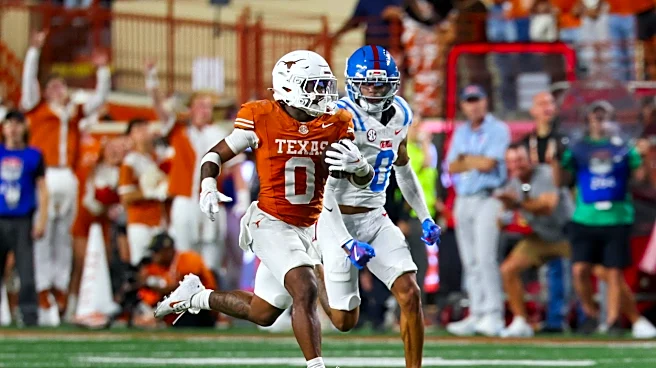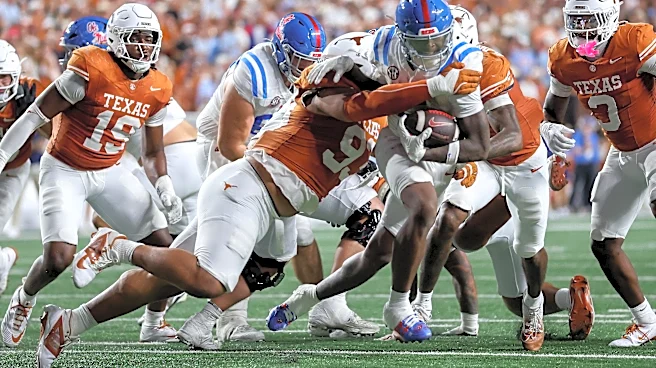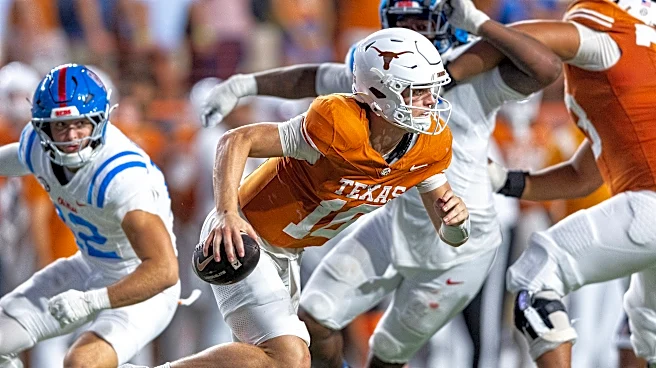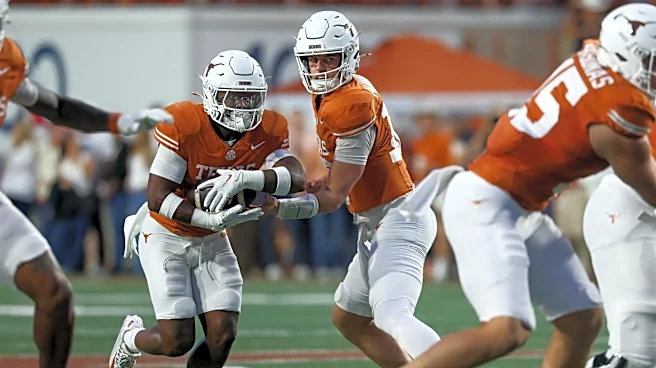

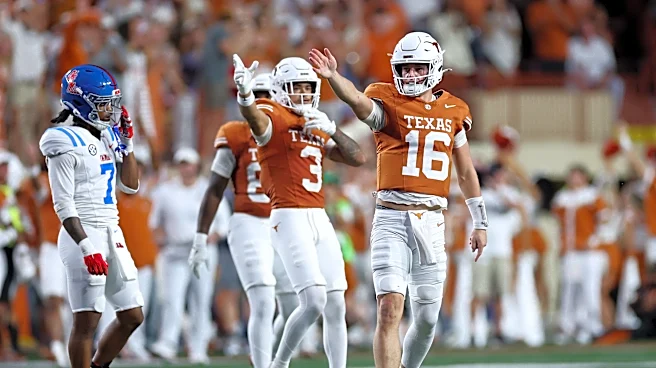
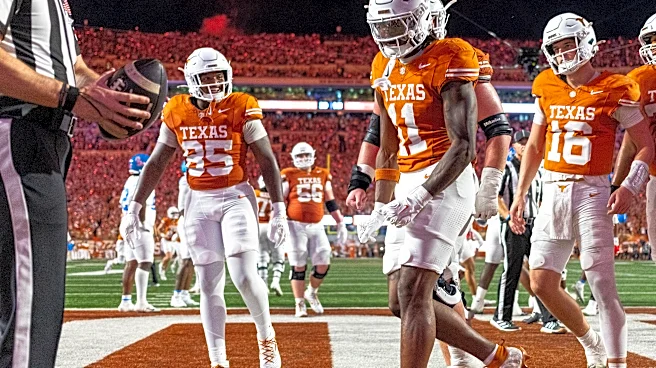

AUSTIN — Scoring three rushing touchdowns and rushing for more than 200 yards and setting a season high in yards per carry helped take pressure off the aerial attack of the Texas Longhorns in Saturday’s 34-27 win over the Ole Miss Rebels, led by 157 yards on 23 carries by fifth-year running back Raleek Brown.
In the fourth quarter, the Longhorns were able to put the game away with 121 rushing on 10.1 yards per carry, including a 47-yard run by Brown, the season long for Texas. On the drive that produced
the go-ahead touchdown, which came after Arch Manning’s ill-advised interception and featured Brown’s long run, the Horns ran the ball six times. The next drive, capped by a 33-yard field goal, started with a screen pass and ended with six runs, taking pressure off of Manning to make key throws down the stretch.
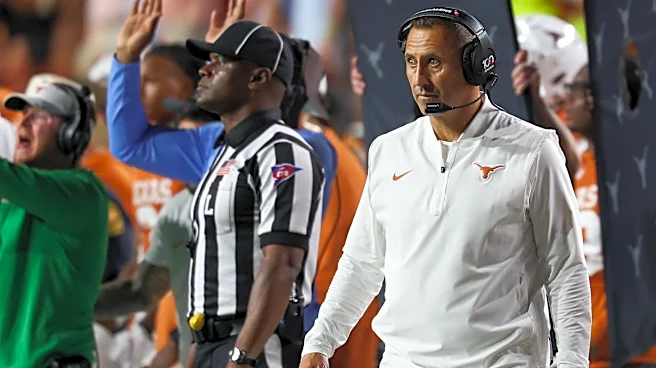
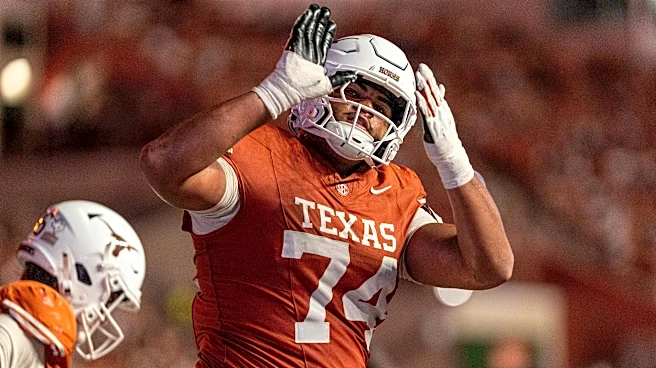
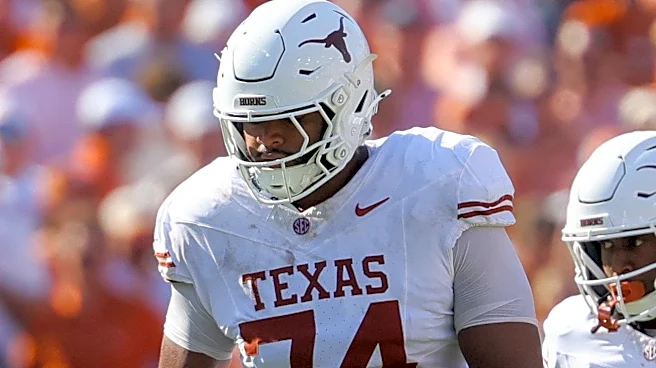
Some personnel adjustments helped to fuel the success on the ground as fifth-year tight end Michael Masunas played 56 snaps, his season high for Texas that currently represents almost 43 percent of his total snaps after transferring from Michigan State. When the Longhorns were in 12 personnel, Steve Sarkisian paired Masunas with sophomore Emaree Winston, who played 34 snaps.
The decision to essentially sideline senior Spencer Shannon came after a third-quarter drive by Florida last week derailed entirely by Shannon getting beat as a run blocker and pass blocker. Less clear is why sophomore Nick Townsend played a season-low three snaps, all in the goal-line package, but the results certainly back up the personnel decisions made by the Texas head coach and play caller.
Masunas definitely didn’t play a perfect game, committing two holding penalties that Sarkisian blamed at least in part on the skill-position players not running off the blocks correctly, but he did provide more in the passing game than Shannon with three catches for 37 yards, and his block at the point of attack on 4th and 1 from the Texas in the third quarter helped Brown bounce his run outside and illustrated what Masunas can provide in the running game.
Both Shannon and Masunas are around 260 pounds, but Masunas is listed as two inches shorter with better upper and lower body strength that help him win at the point of attack.
With help from the Michigan State transfer, Texas found a lot of success with outside zone, a play that the Longhorns haven’t featured as much as expected this season.
“We kept saying some of our outside zone stuff was close, that if we could just get to this backside backer and if we could hit it right, that we had a chance to to pop a couple, and we just kind of stayed committed to it,” Sarkisian said.
Having the lead helped — the Rebels had to play from behind the whole game, affording the Longhorns the opportunity to stick with the running game even after the disastrous third quarter that saw the offense stall out thanks to the sack-fumble, the inability to convert a 3rd and 3 through the air, a second-down sack, and a run dropped for a three-yard loss on first down that derailed a drive that got off to a promising start.
The loss of star left tackle Trevor Goosby to a first-quarter injury played a role, too, especially after backup Andre Cojoe got exposed in pass protection on the sack-fumble, increasing the incentive for Sarkisian to rely on Cojoe’s 340-pound frame to lean on Ole Miss defenders instead of move backwards on pass sets.
“Ultimately, the runners found their creases and found their runs and created some explosive plays — that’s always helpful,” Sarkisian said.
Brown’s first 100-yard effort since transferring to Texas featured moments of individual brilliance, like his instantly-iconic cutback on outside zone that he finished by trucking Ole Miss safety Joenel Aguero for a 23-yard run down to the goal line.
More physically impressive was Brown’s dead leg on his 47-yard run, another outside zone play that featured a good block from Masunas to keep the edge clean and incredible acceleration by Brown in the open field, even if his long speed let him down.
Backfield Hollywood Smothers, out for the game with a shoulder injury, and more of a smooth operator himself, was astounded by Brown’s cut in the hole, which left two Ole Miss defenders crashing into each other. And understandably so.
Perhaps aided by his season high in carries, Brown flashed the best vision he’s shown in his seven games at Texas, backed up by his elite feet that allow him to get to places most running backs can’t. Brown even benefitted from his stature on one late run when he squeezed through a non-existent hole at the line of scrimmage for an important gain.
Sophomore Michael Terry got in on the action, too, rushing for a touchdown when Ole Miss had its defensive line caved in, and finishing with eight carries for 41 yards.
But Terry’s two best runs, of 12 yards and 19 yards in the fourth quarter, were aided by strange, unsound decisions made either by Ole Miss head coach Pete Golding and his defensive staff to slant talented defensive linemen who were capable of winning heads-up battles against Texas offensive linemen who have regularly lost them this season.
Those slants often went in the direction of the running back in shotgun formations, even though one of the biggest weaknesses of running from the shotgun is that the play almost always goes away from the running back’s alignment.
Some teams employ schemes like same-side Counter, but the Longhorns are not a team that uses those plays frequently. Even finding one on this year’s tape would land somewhere between difficult and impossible without having already charted them all.
At times, the Rebels were also running twists against the run that allowed the Longhorns offensive linemen favorable angles against them.
Brown’s individual brilliance is certainly replicable — he put plenty of that on film at Arizona State last year, too — but the extent to which Ole Miss put themselves in positions to fail is a disheartening element of the rushing success Texas had on Saturday because there’s not a single opponent left on the schedule who is likely to attempt those same strategies.
Frankly, it’s shocking that Golding did, a miscalculation that legitimately cost his team a chance to win the game.
Playing Masunas more than Shannon and giving Brown enough carries to get into a rhythm are some takeaways that will benefit the Longhorns in the future, especially against the weaker defenses left on the schedule, but any Texas success over the remaining five regular-season looking like it did on Saturday would require defensive coaches absolutely losing their minds.