
Kicking a football is a remarkably lonely profession; ask just about anyone.
When a quarterback throws an interception, the offensive line can take the blame for a blown block, or maybe the receiver runs the wrong route. When a receiver drops a pass, maybe it was put in the wrong spot, or the defense just made a great play.
But when a kicker misses, the spotlight shrinks to a solitary circle, right on the foot of the player who hit it. It is a binary job: You either make it, or you don’t. And when you don’t,
the psychological unraveling can be swift and merciless.
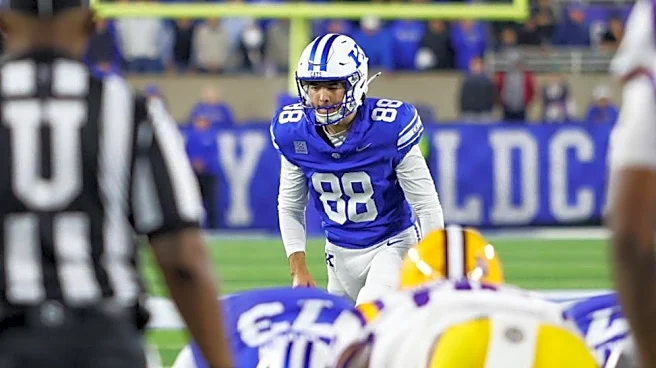
Adam Zouagui knows that pressure intimately.
Zouagui didn’t come to Lexington with a pristine resume. At Davidson College, he was a woeful 4-for-16 on field-goal attempts in 2024. Kentucky signed him strictly to be a kickoff specialist, something he did well at USF. But when starting kicker Jacob Kauwe went down with an injury, Zouagui was suddenly thrust into the starting role for an SEC program.
Heading into Saturday night against LSU, Zouagui had been pretty reliable. He was 6-for-7 on the year, his only miss coming in a hostile environment down at College Station. But under the lights against LSU, the ghosts of Davidson crept back in.
Down 27-24 in the fourth quarter, Kentucky needed Zouagui to tie the game. From 42 yards out, he pushed it left.
Minutes later, the defense forced a turnover, and the offense gave him another chance, this time a chip-shot from 26 yards on the right hash. He overcorrected from his previous miss and kept this one wide right.
In that moment, a kicker’s brain becomes his own worst enemy.
Sports psychologists often talk about “the yips.” It is a psychoneuromuscular impediment where athletes suddenly lose the ability to perform a basic motor skill. If you watched Major League II back in the 90s, catcher Rube Baker got the yips and couldn’t throw it back to the pitcher.
But it happens often in real life, too.
Just look at former Cowboys kicker Brett Maher, who missed four straight extra points in a playoff game. Once a kicker starts telling himself what not to do (“Don’t pull it left again”), he can implant the wrong mental image, effectively programming his body to fail.
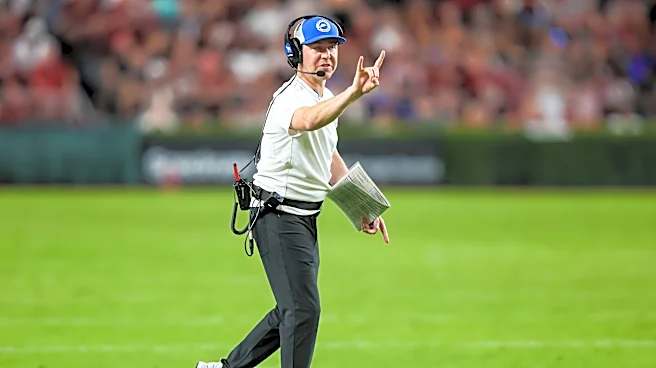
That is what makes Will Stein’s reaction to the second miss a masterclass in modern coaching.
Old-school coaches might have screamed. They might have turned their backs in disgust. Some might have even benched the kicker on the spot; it wasn’t like Kentucky didn’t have an option. Jacob Kauwe was 12-13 from under 50 last year.
Instead, Stein walked straight up to Zouagui on the sideline. He gave him a dap, smiled, and delivered a simple message: “You got this. You’re a baller. Remember that.”
That brief interaction wasn’t just a nice human moment. It was a psychological reset for a guy who was probably sliding.
By validating Zouagui instead of isolating him, Stein interrupted the cycle of negative self-talk. I probably lost some of you, but negative thinking can create negative results.
As football so often does, the game presented Zouagui with a chance at redemption.
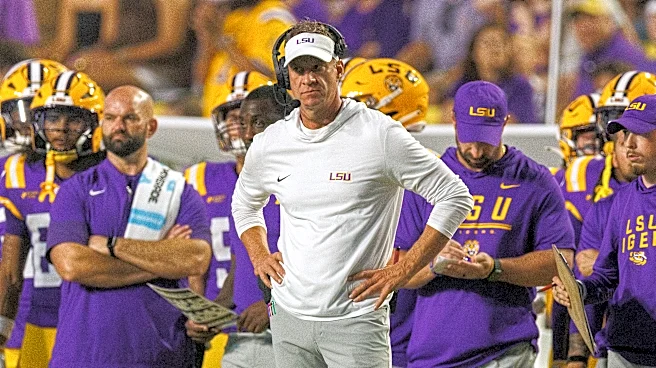
With time expiring in regulation, Kenny Minchey marched the Wildcats down the field one last time. Stein didn’t hesitate to send Zouagui back out. Lane Kiffin called a timeout to ice him, attempting to let those negative thoughts seep back into the kicker’s head.
But Stein had already cleared the mental static.
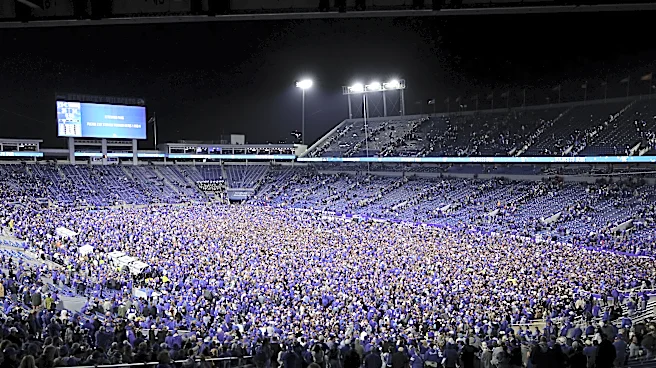
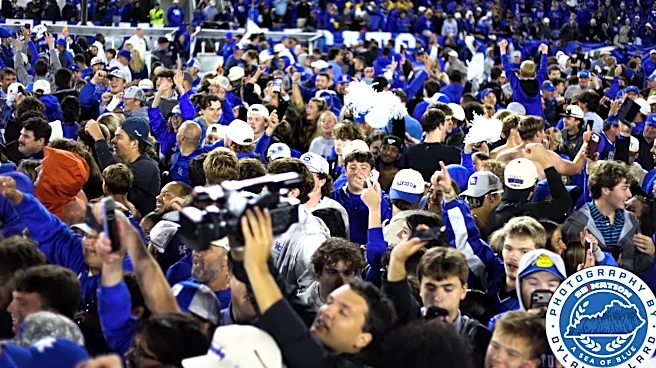
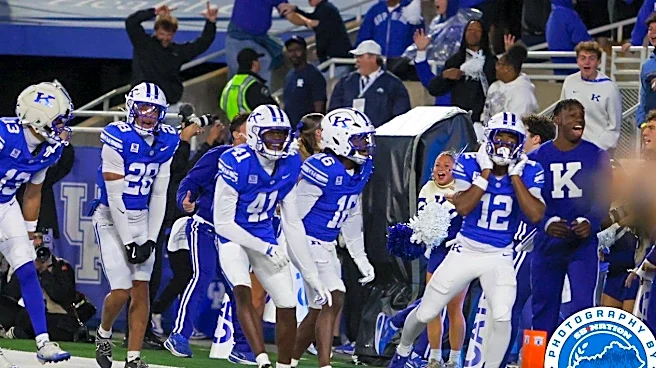
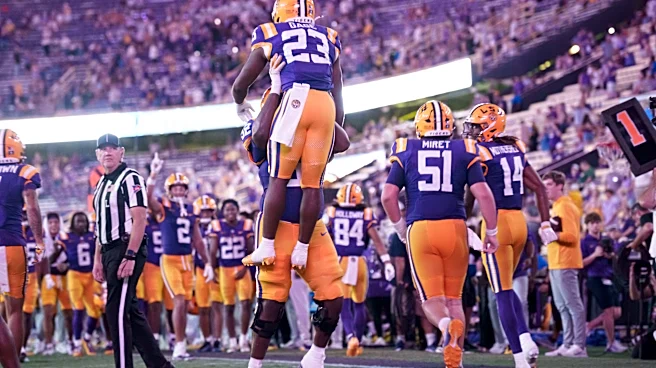
Zouagui stepped up and drilled the 33-yarder straight through the uprights, sending the game to overtime, where Kentucky knocked off the top-10 Tigers with a 2-pt QB draw from Minchey.
That kick doesn’t happen without a head coach who understands the position’s fragile psychology.
Will Stein could have lost his kicker for the entire season on that sideline. Instead, he chose to lift him, and in return, his kicker lifted the entire team.