





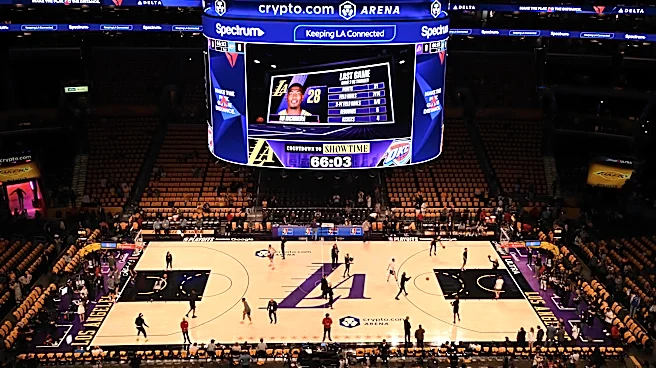

It is official. The NBA has passed a draft lottery reform, as 29 of the 30 teams voted in favor (with Memphis being the only team to vote against the anti-tanking measures).
In search of a way to discourage
tanking, the NBA decided that drastic changes to the draft lottery were the best approach. They may be right, and the new lottery system will be a big change from the previous one. With the Suns not having control over their own draft picks until 2032, it won’t change much for them in the near future, but it could still affect the picks they’ve already traded or swapped (whoever finally uses them). More on that later.
NBA Draft Lottery System Reforms
#1: The NBA will expand the lottery from 14 to 16 teams.
This isn’t because of the proposed expansion to 32 teams. When expansion comes, they will likely further expand the draft to 18 teams…although this point hasn’t been reported on yet. What it does mean is that, along with the 14 teams that miss the playoffs, the 8th seed playoff teams from both the East and West will also get a shot in the lottery.
#2:The Lottery odds will change drastically, as will the drawing process.
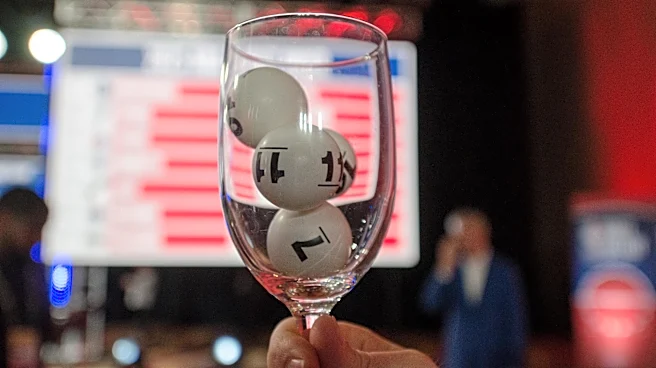
Previously, they drew lots to select the teams to get the top 4 picks in the draft, with the rest picking in order of their regular season records, worst to best. Now, every pick 1-16 will be determined through actual lottery picks with the odds greatly leveled, which will hopefully make tanking a less attractive strategy. No team in the lottery will have much of an advantage over the others, and the 3 teams with the worst regular season records will actually have a worse chance to get one of the top 3 picks than the 4th through 10th worst teams. The odds are as follows:
- Teams 1-3: Each has an equal 5.4% chance of landing the number 1 pick.
- Teams 4-10: Each has an equal 8.1% chance of landing the number 1 pick.
- Teams 11-14: Each has an equal 5.4% chance of landing the number 1 pick.
- Teams 15-16: Each has an equal 2.7% chance of landing the number 1 pick.
The new system allocates 37 lottery balls across 16 teams. The three lowest-ranked teams receive two balls each, teams four through ten receive three, play-in seeds nine and 10 receive two, and the seven-vs-eight play-in loser receives one (2.7%). All 16 lottery picks will be drawn, with the three worst-record teams unable to fall below 12th.
This version is more like the original lottery system used from 1985 through 1989, where every team had equal odds and every position was drawn for, than more recent systems. The new system sounds a bit wacky but it might work in regard to discouraging tanking…at least some of it. Why try for the worst record in the NBA when that will get you worse odds in the lottery? It might even prove fun to watch the teams with the worst records actually fighting to win games at the end of the season to improve their lottery odds!
#3:There will now be pick “limits”.
To prevent franchises from accumulating top-tier talent year after year, teams are restricted from selecting No. 1 overall in back-to-back seasons or securing a top-five pick in three consecutive drafts. These rules apply to the original team, not the pick’s current holder. Even if it’s traded to another team, these rules still apply to the pick, no matter who uses it, and they apply retroactively.
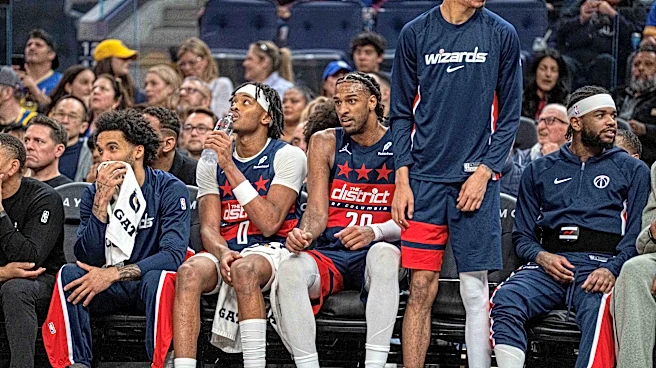
For example, the Wizards, who won the 2026 lottery, cannot land the first pick again in 2027…even if it’s traded to someone else. Also, the Utah Jazz, which selected fifth in 2025 and second in 2026, cannot finish in the top five in 2027. Although Utah traded its 2027 1st round pick to Memphis for Jaren Jackson Jr., this rule would bar the Grizzlies from receiving a top-five pick in the lottery through it.
In the event a team’s pick is drawn in the lottery in a position where it is not permitted to be, then that pick would be moved down to the first permissible draft position.
#4:Draft penalties for tanking can be imposed.
Teams face severe fines (up to $10 million) and potential loss of draft picks for “tanking behavior,” such as sitting perfectly healthy starters in the final weeks of the season to drop in the standings. The league will also have expanded disciplinary authority to reduce lottery odds and/or modify draft positions for teams.
#5: There will be new draft pick protection limits.
Teams will no longer be able to protect picks that fall into the 12 to 15 slots. Why 12-15? Your guess is as good as mine, as I’ve not found an explanation for this rule so far.
#6: The lottery reforms affect the second round, too.
The first 16 picks of the second round will now be in the reverse order of the first round.
While none of the bottom three teams can fall further than 12th in the first round, the team with the fourth-worst record could possibly fall all the way to No. 16. But if that’s the case, that team would get the first pick of the second round (No. 31). Conversely, the team that wins the lottery would pick 46th overall in the second round.
The “Sunset Provision”
There is also a “sunset provision” which will allow the new system to expire after the 2029 draft. After that, the board of governors will vote to either continue with the system or transition to a new one. Whatever they decide to do then, the NBA’s current collective bargaining agreement runs through the 2029-2030 season, at which time they could possibly change it all once again.
There has also been some talk of the NBA moving away from the lottery system entirely if the new system doesn’t work as well as they hope and institutes a “draft credit” system similar to a Fantasy Football-style auction. In that type of system, every franchise would be awarded an equal allotment of “draft credits,” which teams would use to bid on rookies in an auction, starting at the No. 1 overall pick and proceeding down the board. Front offices would trade portions of their credit allotment to other teams in exchange for veteran players rather than trading actual draft picks. This option is still only in the discussion stage and not a part of the latest reforms, though.
Implications for the Suns
Some might think, “So what? The Suns have no control over their 1st round picks until 2032. This won’t affect us at all until then.” There you’d be wrong to a certain degree.
Pretty much everyone agrees that the Suns need to acquire more draft picks; they can. If you thought they were worth their weight in gold before, now they’re more likely worth their weight in platinum, which is going to make it even harder to pry them away from other teams. And you can pretty much forget about ever getting control of the Suns’ own picks back. If these rules had been in effect for this year’s lottery, as the 8th seed in the West, the 2026 pick that’s going to Memphis at 16 would have instead been in the lottery with a very good chance of moving up to a top 10 pick and a 2.7% chance of landing 1st. Unless the Suns return as a much stronger team in 2026-27, other teams will view those picks as potential lottery tickets, even without the Suns trying to tank.
In short, these changes are very likely going to make the Suns’ retooling/rebuilding efforts even more difficult in the short term simply because they are going to make first round draft picks, especially future firsts, even more valuable than they are now, making them even more difficult for the Suns to acquire…at least as long as this system remains in place.
On the plus side, it does at least make the future first round picks that the Suns still own even more valuable if they decide to use them in a trade. I know many, if not most, Suns fans cringe at the idea of trading away any more of their 1st round picks, but if a deal came along that was just too good to pass up, it’s nice to know that the added value might be just enough to make it happen.