

The Dallas Cowboys didn’t need a minor defensive correction this offseason. They needed an intervention since their 2025 season was a defensive disaster. Dallas allowed 511 points, 30.1 points per game, 377 yards per game, and 251.5 passing yards per game. They finished at or near the bottom of the league in every defensive key category, and it became obvious that small tweaks were not going to be enough.
So the question was never whether the Cowboys needed to act, they clearly did. The real question is whether Brian Schottenheimer, Jerry Jones, Stephen Jones, Will McClay, and the new defensive staff have done enough to make the 2026 defense something Dallas can actually win with.
The fairest answer is this, they have addressed the problem, but they have not yet proven it is fixed yet.
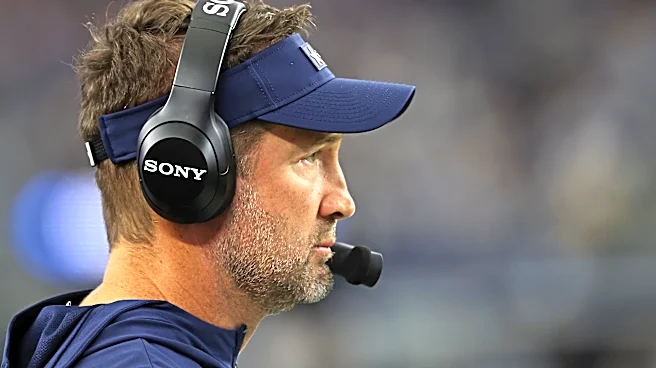
The biggest change came on the coaching staff. After last season’s collapse, it was clear Matt Eberflus was not the right fit. So Dallas moved on and hired Christian Parker, a young first-time NFL defensive coordinator who came from Philadelphia, where he served as the Eagles’ defensive pass game coordinator and defensive backs coach.
The Cowboys are now on their fourth defensive coordinator in as many seasons, which is not a great look. Constant turnover makes it difficult to build continuity, especially on defense. But the logic behind the Parker hire is easy to understand. Dallas needed a different voice, a different structure, and most importantly, a coach willing to build around the players on the roster instead of forcing them into a rigid system.
Parker’s staff includes Derrick Ansley as pass game coordinator, Ryan Smith as the secondary coach, Marcus Dixon as defensive line coach, Chidera Uzo-Diribe as outside linebackers coach, and Scott Symons as inside linebackers coach. It is a staff that suggests Dallas wanted fresh ideas and more defined teaching at every level of the defense.
Parker has already outlined a more flexible defensive approach. The Cowboys are expected to use multiple fronts, including 3-4 spacing, nickel looks, and different front structures. Coverage will be adjusted to fit the personnel. The foundation, according to Parker, will be stopping the run and affecting the quarterback. That message is not revolutionary, but it is the right one. Win first downs. Make quarterbacks uncomfortable. Tackle. Communicate. Do not ask players to be something they are not.
The front office has also given Parker a very different group of players to work with. Dallas acquired veteran edge rusher Rashan Gary from the Green Bay Packers for a 2027 fourth-round pick. Gary had 7.5 sacks, 20 quarterback hits, seven tackles for loss, and a forced fumble in 2025. Gary does not replace Micah Parsons, but he does give Dallas an established edge presence. He can win one-on-one, set a physical tone, and prevent the Cowboys from relying too heavily on young pass rushers right away.
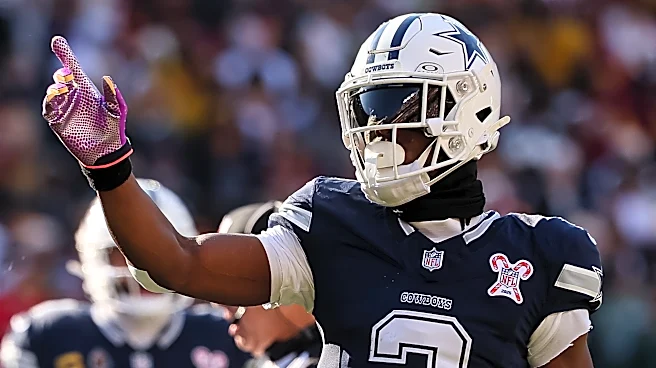
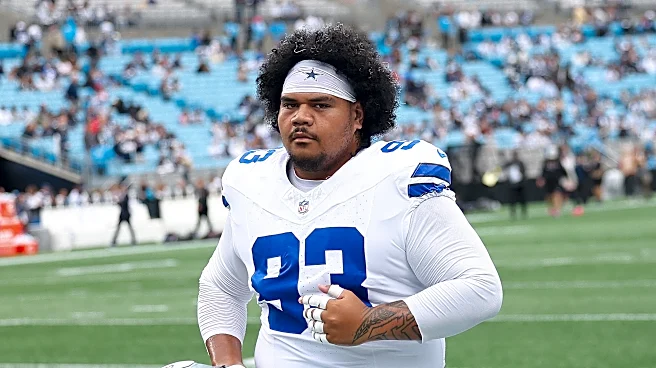
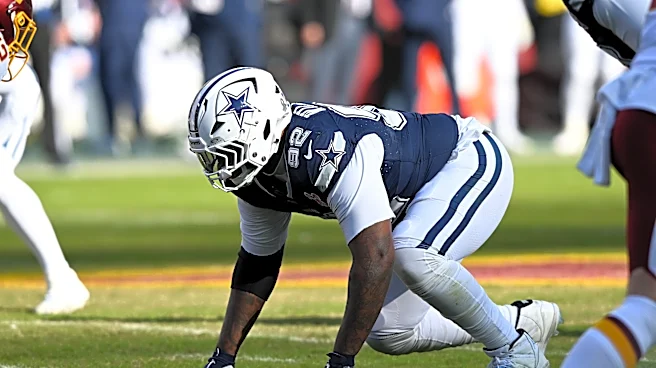
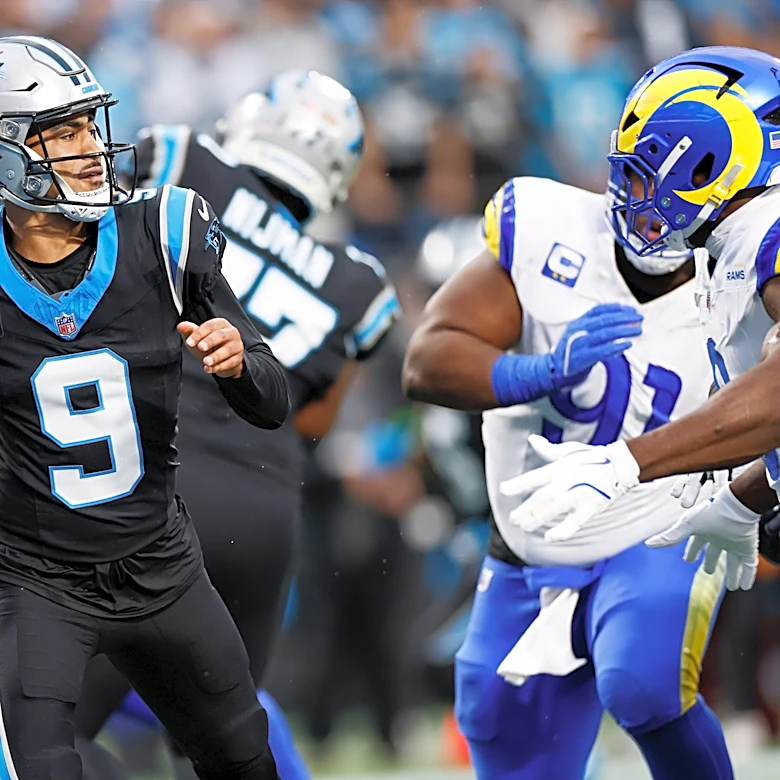
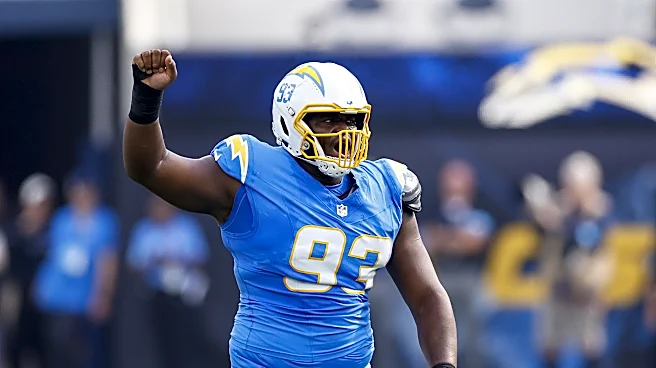
The defensive line also looks much more serious on paper. Quinnen Williams and Kenny Clark give Dallas real credibility on the interior, while Otito Ogbonnia and Jonathan Bullard were added as rotational pieces. That matters because the Cowboys have spent too many years hoping edge talent could cover up problems in the middle of the defense. This version of the Cowboys defense appears to be built more from the inside out. That is a necessary change.
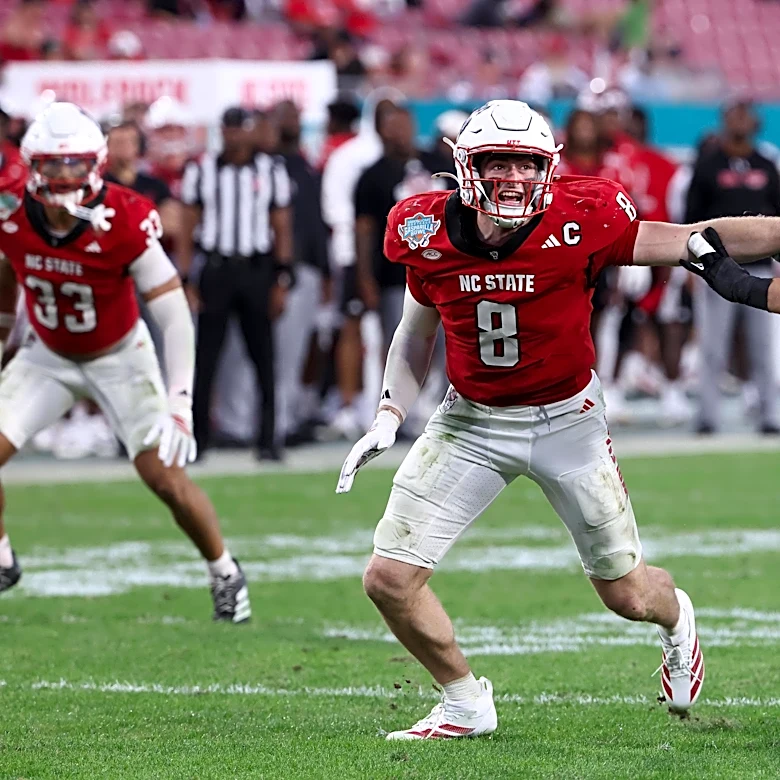
The draft made the team’s direction even clearer. Dallas used five of its seven 2026 picks on defense, starting with safety Caleb Downs with the 11th overall pick. The Cowboys then added edge rusher Malachi Lawrence at pick number 23, linebacker Jaishawn Barham in the third round, cornerback Devin Moore in the fourth round, and defensive lineman LT Overton later in the fourth. Downs may be the most important addition of the group because he addresses one of last year’s biggest problems, communication. He can play in the slot, cover backs and tight ends, work between the front and back end, and contribute immediately in sub packages. The Cowboys didn’t simply need another safety. They needed someone who could help organize the chaos.
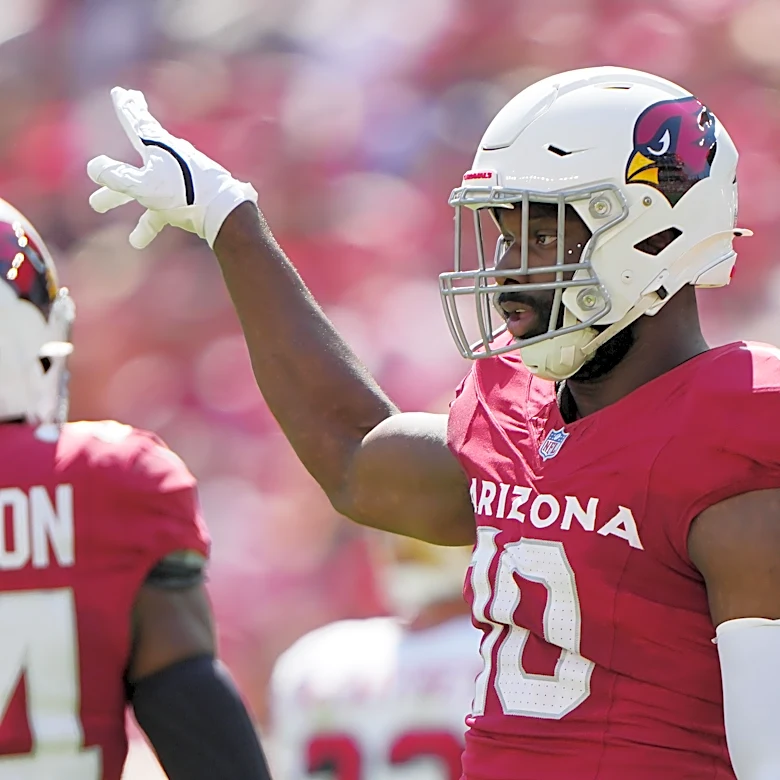
That also applies to Jalen Thompson, who signed a three-year deal with Dallas. Thompson has already talked about playing wherever Parker needs him, whether that is in the slot, deep safety, strong safety, or free safety. He was a full-time starter in Arizona, has nine career interceptions, and gives Dallas another experienced communicator on the back end. Between Thompson, Downs, P.J. Locke, Malik Hooker, and Markquese Bell, the Cowboys now have a safety room with flexibility, experience, and real competition for roles.
Linebacker was another obvious pressure point. Dallas traded for Dee Winters, who is expected to wear the green dot after a 2025 season in San Francisco that included 101 tackles, eight tackles for loss, and a defensive touchdown. Barham gives the Cowboys another versatile piece who can play inside on early downs and rush in passing situations.
All of this makes it hard to argue the Cowboys ignored the defense. They changed the coordinator. They changed the staff. They changed the structure. They added veterans at edge, safety, cornerback, linebacker, and defensive tackle. They also spent premium draft capital on a safety and an edge rusher while adding a linebacker who could quickly become a central piece of the defense. The Cowboys have clearly addressed the problem. But fixing it requires a higher standard.
Dallas is still relying on a first-time defensive coordinator to turn around one of the worst units in the league. The Cowboys are asking rookies to play meaningful snaps. They are hoping Gary, Lawrence, Donovan Ezeiruaku, and others can generate enough edge pressure without Parsons. They are also counting on the cornerback room to be healthier and more stable than it was last season. The biggest concern is that Dallas may have raised the floor without proving it has raised the ceiling enough.
A defense with Williams, Clark, Gary, Thompson, Downs, DaRon Bland, Winters, DeMarvion Overshown, Barham, Lawrence, a second-year Shavon Revel Jr. – and Parker’s scheme – should not be historically bad. It should not finish last in points allowed, not look helpless on third down, and not appear confused every time an offense uses motion, condensed formations, or tempo. In that sense, the Cowboys have probably done enough to avoid a repeat of 2025.
But this team is not trying to go from terrible to merely acceptable. With Dak Prescott, CeeDee Lamb, George Pickens, and an offense capable of carrying stretches of the season, Dallas needs a defense it can trust in January. It does not have to be dominant, but it has to be credible, situationally sound, and hold up in the red zone. It has to give the offense a chance when the stakes are highest. And that’s the real test.
The Cowboys’ offseason deserves credit. It was aggressive, targeted, and honest about the scale of last season’s failure. This was not a cosmetic makeover, it was a real overhaul. But whether they have done enough depends on how the question is framed. Have they addressed every level of the defense? Yes. Have they created a more talented, more flexible, and more sensible defensive structure? Yes. But have they fixed it? The best answer here is not yet.
That answer will only come when Parker’s defense has to tackle Saquon Barkley, track Jayden Daniels, cover DeVonta Smith, survive injuries, adjust through the long middle of the season, and prove that all of these offseason changes can hold up when opponents start attacking the weak spots. For now, the Cowboys have gained credibility. They have not gained certainty