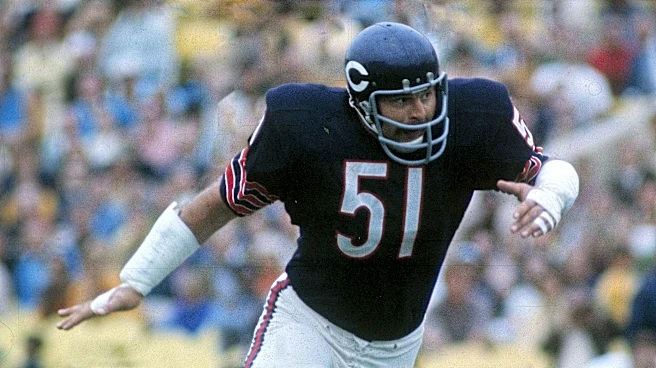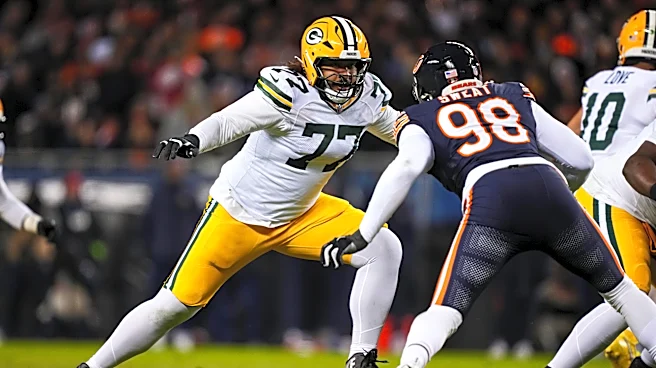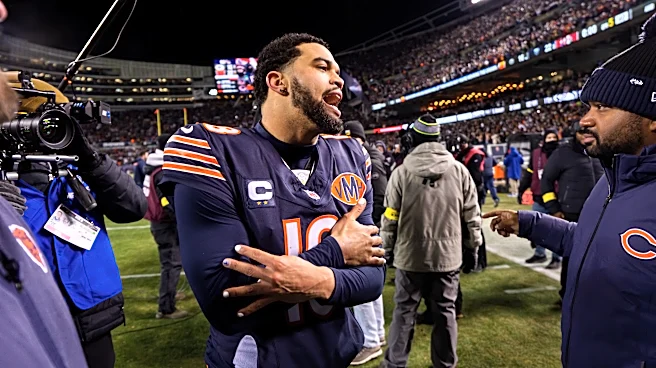





The Los Angeles Rams have received most of the headlines this offseason and are heavy favorites entering 2026. Meanwhile, the Chicago Bears surpassed all realistic expectations last season and gave L.A. a run for their money in the playoffs, so do they deserve more hype than they’ve been getting?
First off, it’s crazy that Chicago hasn’t gotten more love. This is the same team with a Madden cover athlete AND their own Hallmark movie. What’s not to like about that?!
But for real, it’s understandable
how the team has seemingly flown under the radar, and it mostly has to do with the sustainability, or lack thereof, of their comeback wins. This was why I initially tabbed them as a regression candidate in the NFC shortly after the NFL draft.
Related: Bears, Seahawks among NFC regression candidates in 2026
Seven of Da Bears’ 12 total wins came in games where they trailed in the final two minutes, the most by any team since the AFL/NFL merger. That ice in their veins in critical moments helped them secure the NFC North and clinch the conference’s No. 2 seed.
According to Pro Football Reference, Caleb Williams tied for the fifth-most fourth quarter comebacks in NFL single-season history with six during the regular season. During the last decade, quarterbacks who had the most such comebacks either saw their teams regress or more or less remain the same the following year:
Brees’ Saints were the only team of that grouping to win double-digit games and make the playoffs after having so many comebacks. What was the point differential for those teams, along with Williams’ Bears? Funny you should ask:
2022 Vikings: -3
2016 Lions: -12
2016 Raiders: +31
2018 Saints: +151 (they’re an outlier on this list, ignore them)
2025 Bears: +26
Besides New Orleans, none of those squads finished with a point differential in the triple digits, or even above 50. That is no doubt troubling, but it shows just how thin the margin of error was for (most) of those teams to win those nailbiters and make playoff runs rather than miss the postseason entirely.
Analysts generally expect regression following late-game success the year before. However, there is a clear difference between expecting regression and expecting the Bears to melt down and fade from relevance, much as they have for most of this century.
They haven’t been a consistently trustworthy team for quite some time. The last time Chicago won a division crown was in 2018, and they were coming off four straight seasons with double-digit losses entering the 2025 campaign.
Last season marked the Bears’ sixth postseason trip since 2000, and they have made back-to-back playoff runs once in that span, which came in 2005-06. A third of those trips ended with at least an NFC Championship appearance, with 2006 resulting in a Super Bowl berth.
That is typically why Chicago isn’t taken seriously: even when they do have success, it’s short-lived.
Vegas oddsmakers must share that sentiment, as the Bears have the third-highest odds in their own division of winning the NFC, and the eighth-highest in the conference. They won the NFC North just last season, mind you. Per FanDuel Sportsbook, they have +1400 odds to win the NFC, sandwiched between the Cowboys (+1300) and Commanders (+2500).
The schedule makers are believers in the Bears even when those in Sin City aren’t. Like the Rams, they’ll be featured in the primetime slot aplenty this year.
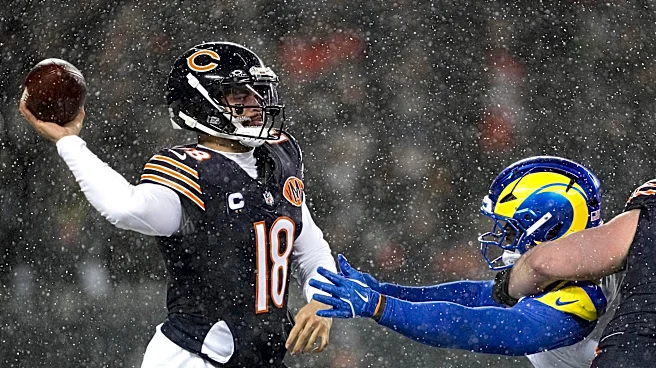
Much of that is due to Williams, who seems well-equipped to handle the pressure. He nearly led his team past the Rams in January with more last-minute magic at the end of regulation. The USC product and former Heisman winner will be a popular MVP pick for years to come, including this season.
The Bears aren’t going to be a very trendy pick in the conference with the Rams, Seahawks and Eagles standing in their way. Their expected regression in close games and struggles since the turn of the century have cast some doubt on their prospects in 2026. Despite that, they deserve more attention than what they’ve been getting, because sometimes it’s the team that everyone overlooks that winds up getting the job done in January and beyond.