



Before we begin looking ahead to 2027, OTM is looking back at 2026, diving into the highs and lows of the roster. Today, we look at a midseason addition to the bullpen.
2026 In a Nutshell
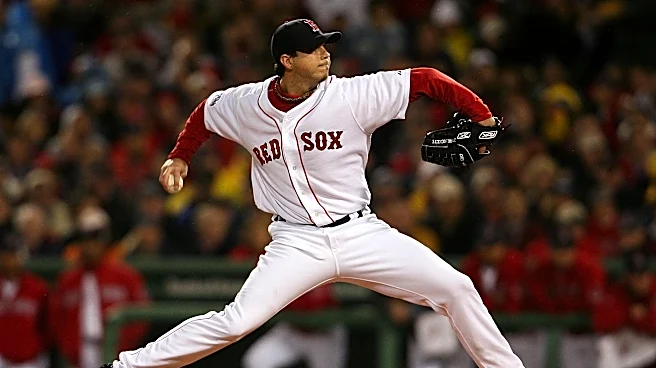
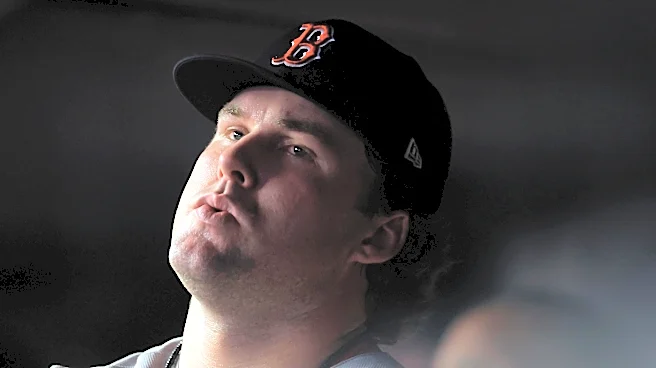
Miller was acquired at the trade deadline in exchange for Marcelo Mayer. With that return, the expectations for Miller were high. The lefty reliever met them at first, dominating over his first 14 appearances. After the honeymoon period, he struggled down the stretch, allowing six earned runs over his final five regular-season appearances and
retiring just two of the five hitters he faced in the Wild Card Series.
The Good
Miller’s end of season performance probably left a bad taste in a lot of people’s mouths, but there’s a lot to like about the lefty going forward. His combination of velocity and horizontal movement from his arm slot is unique, creating a really difficult look for lefties. Those factors combined for a massive ground ball rate and miniscule hard hit rate against the pitch. He also features a wipeout slider that pairs well with it and returned a huge swining strike rate, fueling his 33% strikeout rate against lefties. Those two pitches will allow him to match up favorably against left-handed hitters going forward.
The Bad
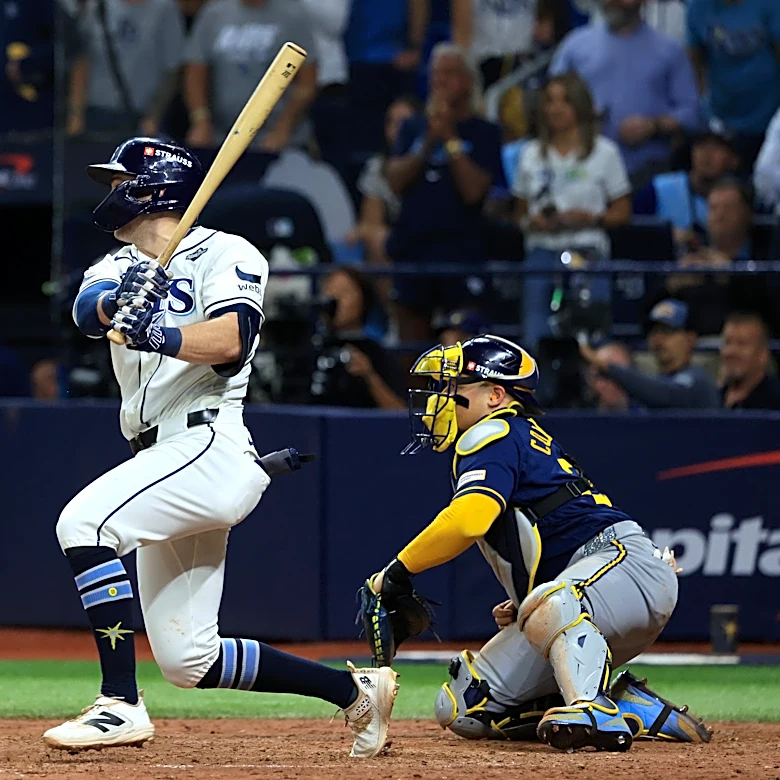
Miller has control problems. At the time he was traded to the Red Sox, he had a 15% walk rate in 38 games with San Francisco. Upon his arrival in Boston, he simplified his approach by eliminating his four-seam and changeup from his arsenal. In his first 11 games, he walked just 3 of the 46 hitters he faced (6.5%). Unfortunately, it didn’t last. In the month of September, he walked 9 of 39 (23%). In the postseason, the walks didn’t show up, but he left a sinker over the heart of the plate to Ben Rice that ended up in the bleachers. While it was in the zone, which is often a problem for Miller, it was decidedly not where he wanted to throw it.
The next day, he surrendered a base hit to Cody Bellinger that extended the Yankees’ lead. Miller got crushed for giving it up on back to back days, but I’ll stick up for him and say that one was a perfectly fine pitch, and Bellinger put a good swing on it. That’s baseball.

The control issues are a problem, though, and I can’t defend those.
Weird Fact That I Stumbled Upon In The Writing Process That Doesn’t Really Fit In Any Of The Usual Buckets
Miller was called upon in the fifth inning of both games one and two of the Wild Card Series. In both games, he entered with two outs. In game two, he entered with runners on first and third. During his time with the Red Sox, the only time he entered a game in the middle of an inning was his first appearance, back on August. In every other appearance he made for the team (19 games), he was given a clean inning.
That’s not at all an excuse for the performance, but it is interesting to note that he spent all of August and September pitching in clean innings, and then was put in a new situation in the postseason. I don’t know if that matters, but it’s food for thought.
Best Game or Moment
Miller didn’t have any signature moments, but he was dominant for a time. He threw two scoreless innings in the 13 inning game against the White Sox, striking out three hitters in the process. In late August, he struck out the side on 13 pitches to send the game to extra innings.
The Big Question
Is his control problem fixable? The Red Sox have had success at getting historically wild pitchers such as Aroldis Chapman and Tyron Guerrero in the zone, but couldn’t do the same for Jordan Hicks. If they can get Miller throwing strikes consistently, he’ll be dominant.