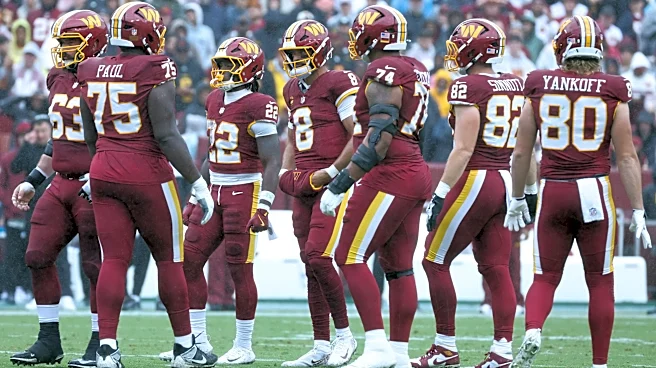


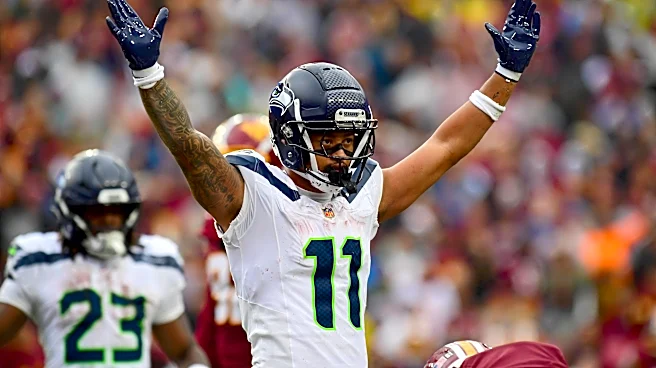
The Washington Commanders offensive line has been an easy target for fan frustration and local media criticism through the first three weeks of the season. But while the questions surrounding the unit remain valid, the players have continued to push back against those narratives with their play—and their performance against the Seattle Seahawks gave them another point in their favor.
Washington will have to revisit the offensive line this offseason. Center remains a position they’ll upgrade, and the team
will also have to decide what it wants from Brandon Coleman entering the final year of his rookie contract. Those are conversations for later.
Right now, the offensive line deserves credit for what it accomplished against the defending Super Bowl champions.
Washington entered Sunday’s matchup with its season unfortunately hanging in the balance. Jayden Daniels re-injured his elbow the week before, and the team was dealing with several key injuries. An 0-3 start would have put the Commanders in a difficult position this early in the year, but the offensive line helped give the team a chance to avoid that hole.
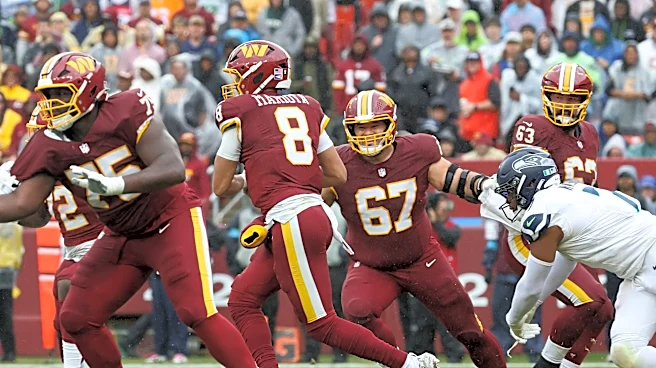
The Commanders allowed just two sacks for seven yards against Seattle, but the offensive line’s impact went well beyond that statistic. Washington would not have won this game without the performance of its front five.
From left to right tackle, the Commanders consistently won reps throughout the game. Washington used a combination of schematic answers and individual execution to slow down Seattle’s pass rush, including slide protections that ensured there were multiple blockers available against Leonard Williams, most importantly, but also other interior threats.
But there were also plenty of snaps where the offensive line had to win 1-on-1. Against a Seattle defensive front capable of creating pressure with four rushers and excellent in their line games, Washington’s linemen had to be technically sound, physical, and aggressive—and for much of the afternoon, they were.
It was the offensive line’s most complete performance of the early season, and it deserves more attention than simply looking at the number of sacks and pressures allowed.
In the latest Trap or Dive film session, I break down how Washington’s offensive line attacked Seattle’s defensive front, the schematic adjustments that helped protect the quarterback, and the individual performances that allowed the Commanders to control the line of scrimmage.
Comment and let us know your thoughts on the outlook of Commanders offensive line moving forward. Subscribe to the Trap or Dive Podcast.