






The 2026 World Cup, for all its faults, has been quite entertaining. Both in on-field action and in unexpected results, the tournament has provided some great moments over its first 10 days.
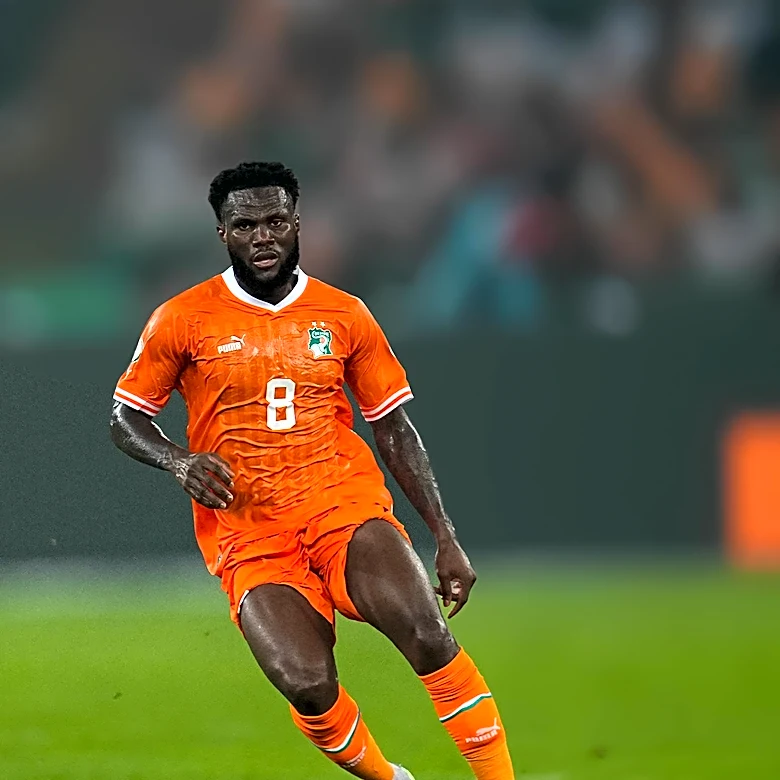
But as I sit here watching Germany and Cote d’Ivoire having at each other as I type, it does hammer home Italy’s failure to reach the tournament proper for a third straight cycle.
The continual failure of the Azzurri is emblematic of Italian football’s overall decline. Calcio has been a shell of itself for nearly
two decades. There have been so many moments that we all thought was the inflection point, only for the men who run the country’s football to just keep on doing what’s gotten us here in the first place. It’s all led to repeated disasters, notwithstanding the fig leaf of the win at Euro 2020(1).
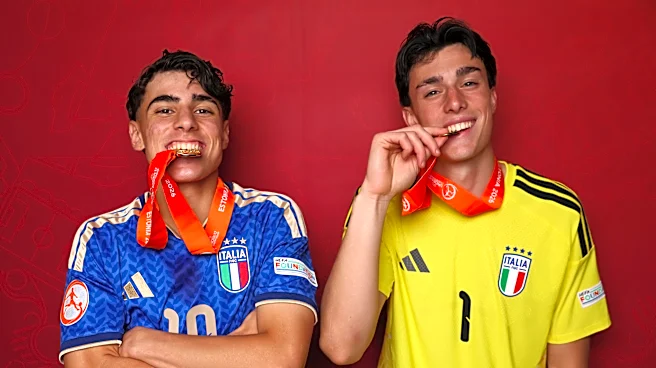
The biggest of these systemic issues has to do with player development. And no, the problem isn’t that there are no players to develop. In fact, Italy’s youth teams have been incredibly successful in recent times. The U-17 side finished third at the last U-17 World Cup, and two weeks ago they won their second U-17 Euro in three years. At the U-19 level, Italy has been to the semifinals or better in three of the last four European Championships, winning in 2023. That same year the U-20 side came in second at the U-20 World Cup.
Italy are still producing young players who can compete at top levels with their peers. The problem is what comes after they have that success at the youth level. It’s the disease of calcio: clubs put such absurd value on experience that talented young players constantly get buried in favor of older players who are often mediocre at best.
It’s an issue so baked into the structure of the Italian game that, while posting highlights of the U-17’s shootout against Belgium, The Italian Football Podcast captioned the clip “I wonder what Serie C teams we’ll be seeing them in in a few years!”
So what does this all have to do with Juventus?
Well, Juve were — and to a degree still are — in a position to reverse that trend and get the Italian player pipeline moving again, while simultaneously helping themselves. Unfortunately, thus far they’ve blown that chance.
I’ve been highly critical of Andrea Agnelli on this site for many years. But as much as he caused the downfall of Juve’s last halcyon days, the latter years of Agnelli’s reign did produce a few good ideas. What became the NextGen was one of them. The introduction of Spainish-style B teams overall was an excellent way to introduce academy players to competition against true professionals and shorten the learning curve for an introduction to top-flight football.
Unfortunately, it’s turned into a good idea with poor execution.
With the exception of Kenan Yildiz, players who have come through the Next Gen with promise have often ended up in a cycle similar to the endless loans and co-ownerships that predated the team. It didn’t help that as the first real products of the team started coming up as Massimiliano Allegri was in the manager’s office. Allegri rigidly adhered to the old ways of player progression — go on loan to Serie C, then Serie B, then a low-level Serie A team, then maybe you’ll be ready for the first team — to the point that he once played Danilo as a midfielder rather than play the then-up-and-coming Fabio Miretti. His refusal to use younger players unless he had no other players who were able to walk affected guys like Nicolò Fagioli, Mattias Soule, and even Yildiz. When players have broken through, the majority of them have been sold off for profit as opposed to being kept to help the first team.
It shouldn’t be this way, but we still see players like Francesco Camarda slumming it on loan instead of getting opportunities with Milan’s first team, and players like Fagioli and Nicolò Savona have been sold on, affecting not only Juve but also the national team as their careers wind up in limbo.
For their own sake and that of the national team, Juventus needs to use the Next Gen better than they have over the course of its existence. Finding first team players from within is a must while their financial problems continue, and only when these young players finally start getting their fair shake will the Azzurri be able to rise one more time.