



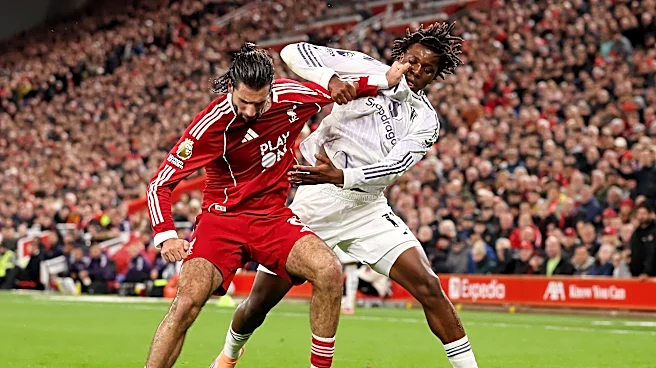

Having won three games in a row in the league and watched their grip on Champions League qualification solidify as others stumbled, Liverpool prepared for their weekend meeting with historic rivals Manchester United in a more positive mood than has often been the case this season.
The hope was that maybe this time Liverpool had finally found their feet. That now into the final month of the season, perhaps Arne Slot had figured out how to make his talented side click. And then, just like any other
time this season there had been a slight uptick, Liverpool promptly fell right back apart.
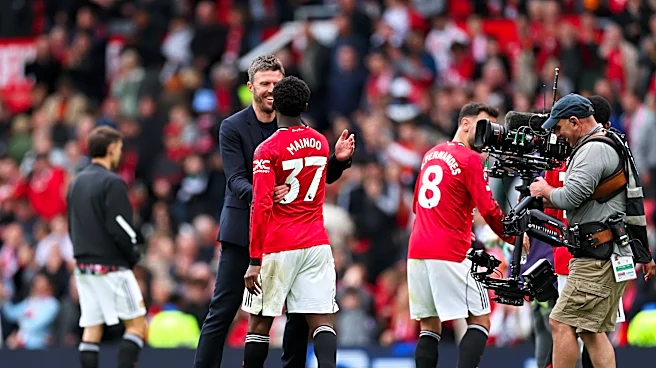
Manchester United won 3-2 thanks to Liverpool looking horribly unprepared to start the match and quickly going down two goals—and it could have been worse—before clawing back in the second half only then to concede a late winner thanks to sloppy defending. Same as it ever was.
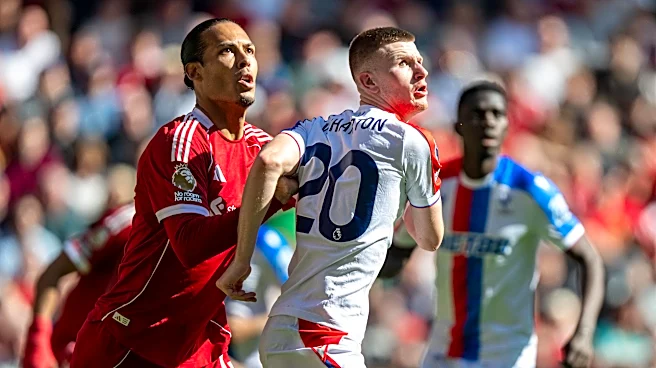
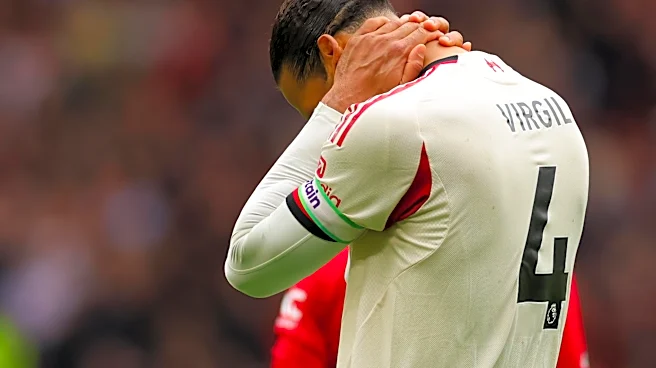
“It has been ups and downs,” captain Virgil van Dijk said, reflecting on a difficult season. “Some wins have felt good. Winning feels good. But we can’t build on that and that has been the story of our season. That is what is difficult. Just to go up and down in your emotions is never a good thing.
“When you win it’s happy days, when you lose it’s bad and you’re held accountable. But you have to take responsibility, that’s life. I think it’s unacceptable. We have lost too many times as defending champions of the Premier League. We shouldn’t accept it and a lot of work that has to be done.”
Last summer, talk was of the foundations having been laid for a new Liverpool dynasty built around the final signings of the Jürgen Klopp era and a £450M summer spree that saw two £100M+ signings in Florian Wirtz and Alexander Isak—the sort of player historically out of reach to the club.
Instead, it’s been lukewarm football and a team that into May still play like strangers much of the time both on the ball in attack and off it in defence. It’s been degraded press efficiency and a lack of identity, defensive breakdowns and finishing gone cold and a team that appears short of fitness.
Work, clearly, has to be done. The question now is whether the club and those tasked with managing it are up to the job, a question that perhaps should be asked more of sporting director level management including Michael Edwards and Richard Hughes more than of head coach Arne Slot.
Edwards and Hughes after all hired Slot and then oversaw last summer’s transfer business, business which included those marquee signings but also saw plenty of key depth players sold off and often not replaced, leaving a squad that has proven far too thin for the rigours of the Premier League.
If Slot is to stay at the club—if, for that matter, Edwards and Hughes are to stay—they will enter into next season with little credit in the bank and with a fanbase primed to revolt the second things don’t go well in a situation reminiscent of the club’s decision to stick with Brendan Rodgers in 2015.
Liverpool have been trending in the wrong direction going back to at least January of 2025, a period now stretching to 16 months. They will occasionally, manage to string a few good results together. Then, inevitably, they will fall apart again, be out-competed, and appear lacking an identity.
There’s enough evidence to say unequivocally that this is who they are. Van Dijk is right, it has been unacceptable and there’s work to be done. Yet if the players were capable of fixing the problems, they would have. It’s time for those in charge to do something—or find themselves in the firing line.