



When the Arizona Cardinals were on the clock during the 2024 NFL draft, the team needed offensive tackle help, a top receiver, heavy reinforcements in the secondary, and a pass rusher.
The first three to go were all quarterbacks: Caleb Williams (USC), Jayden Daniels (LSU), and Drake Maye (North Carolina). Arizona was next at pick #4.
RELATED: CARDINALS ABSOLUTELY TAKING HARRISON, JR. WITH #4 PICK
Offensive tackle Joe Alt (Notre Dame) was ranked as the best in this draft, but J.C. Latham (Alabama) and
Olu Fashanu (Penn State) were not far behind. Three really good pass rushers were available, including Laiatu Latu (UCLA), Dallas Turner (Alabama), and Jared Verse (Florida State). Verse is the player who was involved in the recent Myles Garrett trade.
Quinyon Mitchell (Toledo) was considered the top cornerback prospect while Tyler Nubin (Minnesota) was the draft’s #1 safety.

Receivers for QB Kyler Murray’s offense? Marvin Harrison, Jr. (Ohio State), Malik Nabors (LSU), and Rome Odunze (Washington) were the top three available.
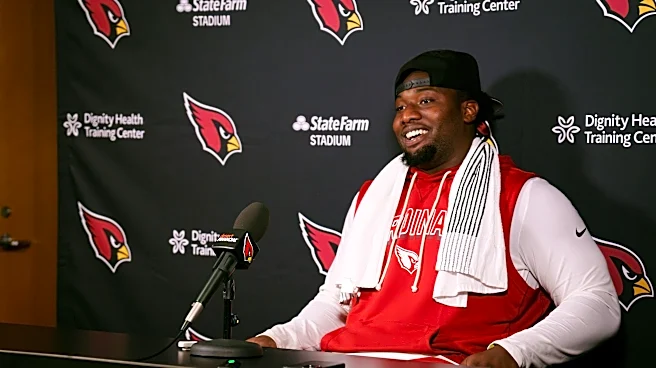
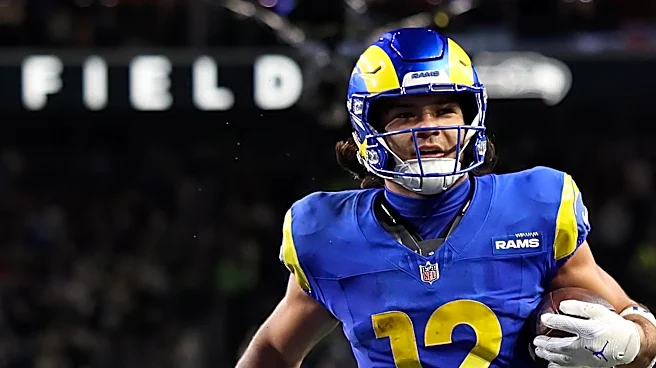
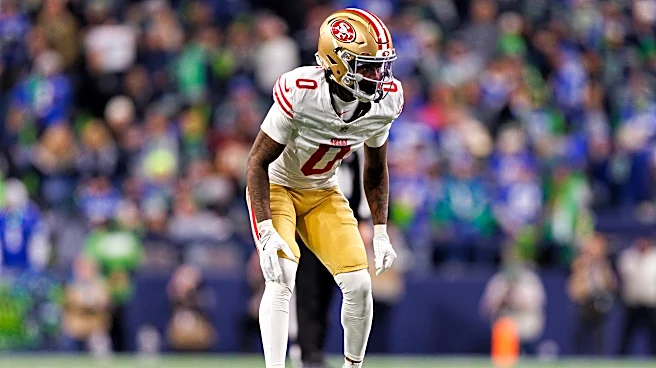
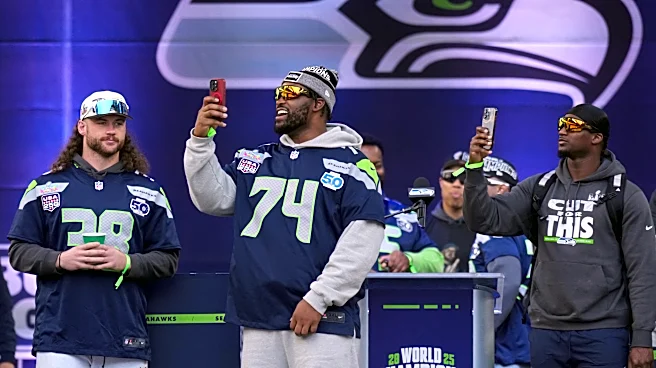
Now? Verse has been to two Pro Bowls and was named “NFL Defensive Rookie of the Year.” Nabors made the NFL All-Rookie Team, was voted to a Pro Bowl, and has set three NFL records. Mitchell was elected to the NFL All-Rookie Team, was named First Team All-Pro, went to one Pro Bowl, and has a Super Bowl ring. Alt made the NFL All-Rookie Team, plus was voted to a Pro Bowl.
All of these accolades are in just two NFL seasons.
The Cardinals chose Harrison, Jr. with the fourth overall pick and another receiver, Tejhaun Palmer (UAB), in Round 6.
A look at his college resume, and one can see why they took Harrison:
- Fred Biletnikoff Award (2023)
- Two-time Unanimous All-American (2022, 2023)
- Big 10 “Most Valuable Player” (2023)
- Big 10 “Offensive Player of the Year” (2023)
- Two-time Big 10 “Receiver of the Year” (2022, 2023)
- Two-time First Team All-Big 10 (2022, 2023)
Harrison was listed as 6’-3”, 220 pounds with a wingspan of 6’-5 ¼.” He chose not to run the 40 at the Combine or his Pro Day, so that has never been confirmed, although various scouts have calculated his time to be between 4.4 and 4.5. In a game against Youngstown State, Harrison, Jr. was clocked running 22.22 MPH as he ascended towards a touchdown.
His speed, YAC numbers, and body control made him a “can’t miss” prospect. He scored 31 TDs in college. The Cardinals knew what an elite receiver was like, having employed guys like Roy Green, Larry Fitzgerald, Anquan Boldin, Mel Gray, Sonny Randle, and Pat Tilley.
With the knowledge that the top three clubs were going to select a quarterback, Arizona had the entire draft at its feet.

Harrison, Jr. had NFL lineage as his father was already inducted into the Pro Football Hall of Fame. The son appeared to be an elite player at a position of great need for the Cardinals, who were looking for explosive help on offense. The term “generational” was applied to Harrison, Jr.
Entering the 2026 season, Harrison, Jr. is facing that all-important “third year.” This is considered the season in every NFL player’s life where they are expected to show-up and show-out with their production and talent.
Regarding rookie deals, there is an annual scale that is considered a usual occurrence:
Year 1: Learning curve
Year 2: Sophomore slump
Year 3: Breakout season
Year 4: Contract year
Which means Harrison, Jr. is expected to have a breakout season. Will he? So far, his NFL career has been a roller coaster. Nobody is using words such as “elite” or “generational” any longer. There have already been discussions regarding trade talks. And is he fan friendly at all?
He has always had confidence in his abilities. But he isn’t a guy who takes criticism very well.
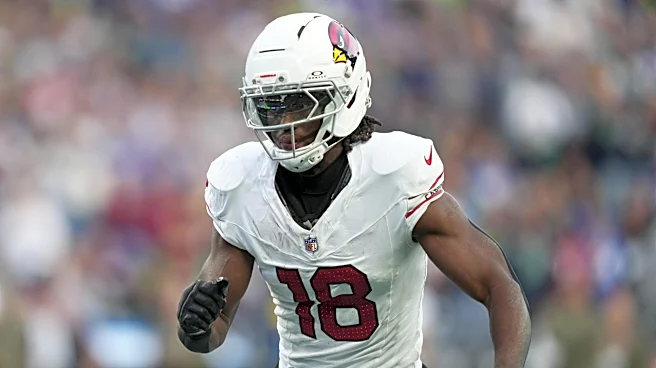
Harrison, Jr. had a decent rookie campaign. He played in all 17 games with 16 starts. He had 116 targets with 62 receptions for 885 yards, a 14.3 yards per catch average, converted 43 first downs, one fumble, eight touchdowns, 148 YAC, and had five drops.
LINK: 2023 NFL ALL-ROOKIE TEAM ROSTER
However, he was omitted from the NFL All-Rookie Team. He never even sniffed the Pro Bowl squad.
His second season was full of injuries: Concussion, appendectomy, heel damage, and a foot injury. Harrison played in only 12 games with 73 targets, 41 receptions for 608 yards, four TDs, and four drops.

When healthy, there were games where he was the most talented player on the offensive side of the ball, then he would disappear for a few matches. He has had some spectacular catches worthy of highlight reels. He appeared lackluster in certain contests and would be utilized plenty early in the game, and then not see another target until late in the fourth quarter.
Nine drops in two seasons are really quite a lot. And the timing of his drops was at critical stages of the games.
He has failed to deliver on the generational label that has been stuck to him. With a new head coach, there is a clean slate ahead of Harrison, Jr. He can create that monster persona that has been expected of him since he arrived in Tempe.
This new offense makes stars out of receivers and tight ends, and creates the short passing game with plenty of catch opportunities each game.
Michael Wilson has already taken over the WR1 role, leaving the backup outside receiver role to Harrison, Jr. This duo, along with TE Trey McBride, new receiver Kendrick Bourne, and rookie Reggie Virgil, should provide this new offense with all the firepower it will need come game day.
Add in the talents of rookie RB Jeremiyah Love and free agency signee Tyler Allgeier, and it should become a lively offensive group once again. If anyone can resurrect Harrison, Jr.’s talents, it is new head coach Mike LaFleur, who busted out production from unknown Puka Nacua.
This needs to be Harrison, Jr.’s year. It has to be.