

The biggest story of this offseason is the impending lockout. In exactly one month, the MLB collective bargaining agreement will expire and no deal between the owners and players is in sight. That means we are likely to get a work stoppage. The only question is how long will it last and how many games will be lost.
Major League Baseball has a long history of CBA disputes, and there was actually a World Series cancelled because of one. That was back in 1994, and that is exactly what we will talk about
today. The 1994 work stoppage is a big reason why the Washington Nationals even exist in their current form.
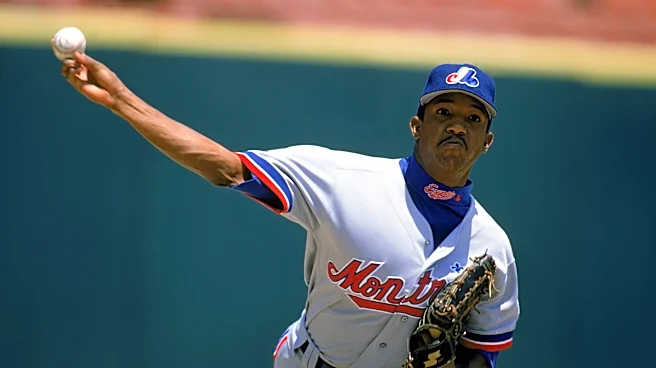
All of baseball was hurt by the 1994 stoppage, but no team suffered more than the Expos. At the time of the August 11th stoppage, the Expos had thebest record in baseball at 74-40. This was the Expos best shot at winning a championship in franchise history, and 1994 had been the year the team was building towards. Here is a great thread on the story of that 1994 season.
The roster was absolutely stacked with young talent. That team featured the likes of Pedro Martinez, Larry Walker, Marquis Grissom, Moises Alou and John Wetteland, who were all 27 years old or younger. As a smaller market club, they would not be able to hold on to all these players forever, but the mid-1990’s was setting up to be the golden age of Expos baseball.
However, the lockout killed all of Montreal’s momentum. There were no playoffs that season, which played a role in the Expos having a bit of a firesale. Larry Walker left as a free agent, while Grissom, Wetteland and key starting pitcher Ken Hill were all traded. In 1995, the Expos went 66-78, and the franchise never recovered. They never made the playoffs before moving to DC following the 2004 season.
It is a sad story, but it is also a big reason why the Nationals exist today. I am sure a team would have come to DC at some point, but who knows what that would have looked like if the Expos won the 1994 World Series. When you talk to players on that team, they are convinced they would have gotten over the top. This topic was discussed in the Who Killed the Montreal Expos documentary that came out on Netflix.
As we enter a work stoppage, that 1994 strike is a cautionary tale. The players and owners were actually fighting over a salary cap, just like they are going to do now. In that negotiation, neither side budged for months and it cost baseball dearly. At the end of the day, we did not get that salary cap. Hopefully this lockout can be worked through much quicker.
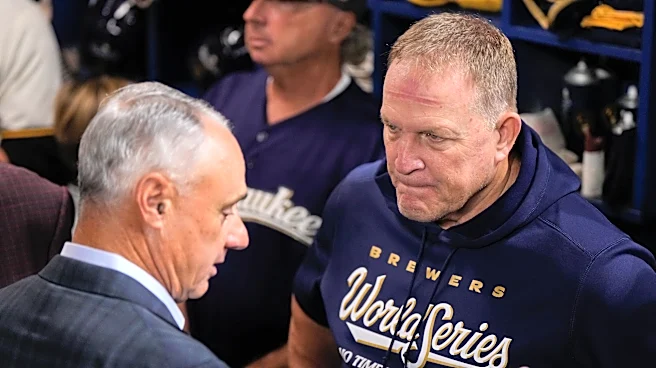
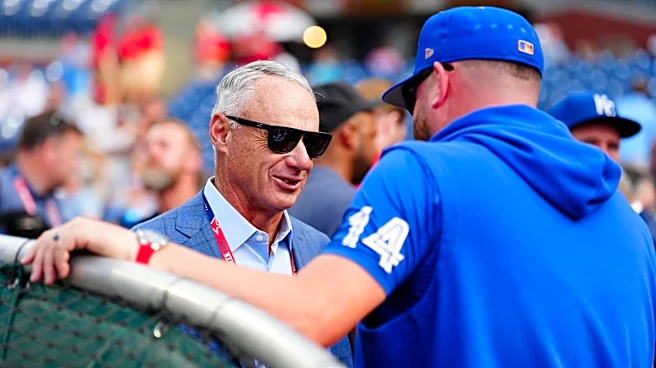
Baseball is in a much better spot than it was about 5 years ago. Rob Manfred is far from a perfect commissioner, but most of the rule changes he has implemented are working very well. The pitch clock was truly revolutionary in my opinion. It would be a huge blow to see all that progress wiped out due to a lockout.
Make no mistake, if the 2027 season is shortened in a serious way, or god forbid it is wiped out, the sport would suffer massively. It would hurt the smaller market teams the most as well. We saw that with the Expos in 1994.
Just over 10 years after their magical season was prematurely cut short, the franchise was playing its last ever games. Of course, this worked out very well for DC sports fans because it led to the Nats. However, there is still an element of tragedy involved as well.
If there is a long term lockout, there are definitely franchises who could go down a similar death spiral. As we enter another CBA feud, the owners and players need to look at the history and see how painful this can be.
Even though the franchise did not exist in its current form, the 1994 work stoppage is a defining moment in Nationals history. It set the stage for the Expos moving to DC and becoming the Washington Nationals. At 11:59 PM on December 1st, the MLB CBA expires. This will be the story of the offseason, and as the years go by, we will see what the long term consequences of this clash will be.