





Stop me if you’ve heard this before: Juventus is a club in free fall. For years now, they’ve had the second highest wage bill in Serie A — and that’s still true even if you cut Dusan Vlahovic’s wages by 75%. The results over the last several years as a big spender in the league are: fourth, fourth, seventh, third, fourth and sixth. What’s worse is that, as far as I can tell, the club has had no consistent identity for most of those seasons.
And I think those two facts together tell you something important
about what’s actually gone wrong.
From the outside, it seems like the process goes something like: identify talented players, acquire them, and hope it works out. Regardless of whether those players actually fit each other, or fit the coach who was supposedly going to use them, we just expect expensive players who we pay a lot of money to figure things out on the field.
I don’t think this is a particularly hot take. Look at the pieces.
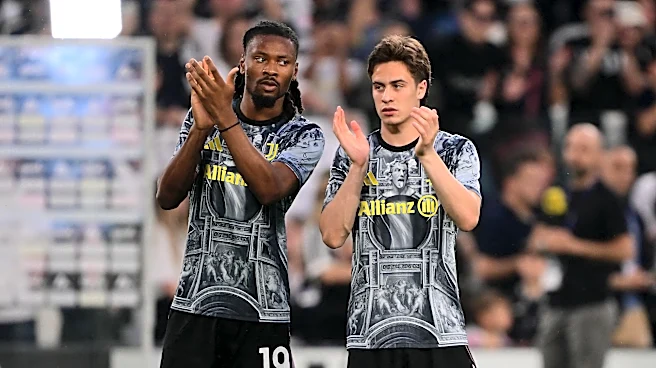
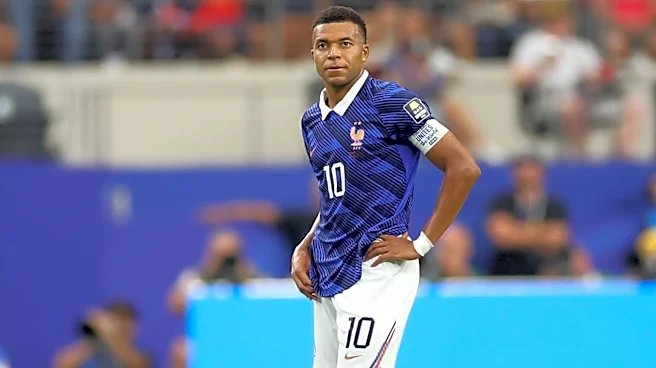
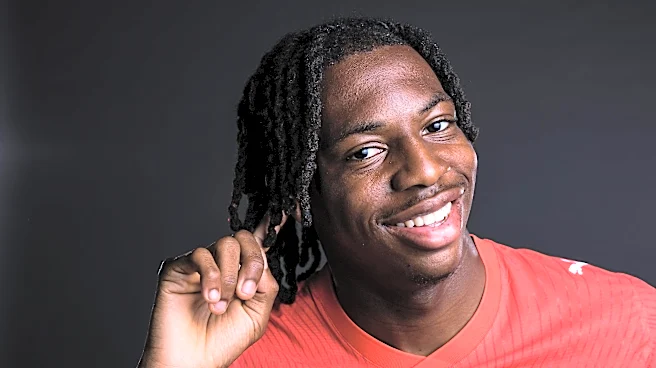
Teun Koopmeiners came from a high-press, fluid-movement Atalanta system built around creating space through motion. He was paired with Thiago Motta, a manager whose whole identity was methodical build-up and positional discipline. Those are not compatible traits. Loïs Openda thrived almost exclusively in counter-attacking systems — and he arrived into a team without a counter-attacking manager (first Igor Tudor, then Luciano Spalletti), and without the kind of ball progression skills in the midfield that a counter-attacking approach actually needs to succeed. Jonathan David seems to prefer playing in space, but nothing about the managerial hires suggests the club wanted their striker to play that way. And then there’s Arthur — a midfielder whose strengths supposedly centered around ball retention and progression dropped into a team that didn’t prioritize possession at all. Arthur’s also a case of the club misjudging a player’s actual level, which is a separate problem, but even if he’d been the player they thought he was, the fit still wouldn’t have made sense.
Zoom out further and the pattern gets worse.
In the team’s various free-fall over the last few years, the club has hired possession-based attacking managers, defense-first pragmatic managers, and some managers with no clearly stated philosophy at all. There’s no thread connecting the recruitment to the coaching to a style of play. And honestly, I don’t think there ever was one. It seems like the plan was “get good players,” full stop, and the fitting-together part got sorted out later.
But we know that’s not how this sport works. We can look to England for an obvious example, where Manchester United have run something close to the same experiment with an even bigger budget and gotten a similar result — a roster full of players who look talented individually and incoherent together, cycling through managers with different footballing philosophies, none of whom ever got a roster built for their approach. Spending a lot and building well are different things, and you can do the first while being genuinely bad at the second.
So instead of writing another “Juve need a plan” piece — which, fair, this kind of is — I want to talk about what building that plan actually looks like from the inside. Not because I’ve done it at Juve’s level. I haven’t. But I spent a few years as a performance analyst for a sporting organization that went through something close to a full retool, and the process we used to get through it is, I think, the closest thing I have to real evidence for how this should work.
Here’s the situation we were in: after my second year, most of our starters left. Five or six of our eight key players were off our roster in one offseason. We had almost no established identity left on the roster, and the couple of players who were sticking around were going to have to move into completely different roles just because the pieces around them had changed. We weren’t rebuilding from nothing, exactly (after all, we’d just won our league the year before), but we were close enough that we had to make real decisions about who we wanted to be as a program, not just who we wanted to add.
And this is the part that I think matters most, and it’s a little counterintuitive: the process doesn’t start with identifying good players. It starts with deciding how you want to play. Do you want to be a ball-control team? Do you want to be more physical? Within your physicality, would you rather be strong or fast? How fast or slow do you want to play? Do you prioritize defense or offense? Those questions come first, and everything downstream depends on getting an honest answer to them.
Once we had that, the sequence went something like this: first we settled on a style of play, then we identified the traits that style actually required, then we figured out which systems would let us maximize those traits, then we built out player profiles that fit inside those systems, and only at the very end did we start looking at actual players who fit those profiles and who we could realistically get. A good player, in isolation, doesn’t mean anything in this framework. A good player for this identity is the only question that matters.
For us, that meant landing on a ball-control offense built around speed and quick athleticism — which in practice often meant preferring undersized kids at certain positions and roles because they were faster and could play at the tempo we wanted. Part of that decision was our head coach’s own history and preferred style. But part of it was the data, and this is the piece I think is genuinely useful for Juve: at our current level, the numbers didn’t show a clear benefit to playing that way — but they didn’t show a drawback, either. But at the level we actually wanted to compete at, the benefits were real and tangible. So we weren’t optimizing for the highest floor right now. We were building for the ceiling we were trying to reach, even though it meant no real short-term edge for the choice we made.
Getting to that identity wasn’t some clean, unanimous moment, either — and I don’t want to pretend it was. Everyone in the room had their own opinion about how we should proceed. Our head coach, our assistants, and I all had different ideas and reasons to support them. We looked at what the numbers said about which styles tended to win, talked about what we could and couldn’t replicate at our level, argued a little, and then our head coach made the final call. And once that call was made, everyone else’s job — mine included — was to get behind it and pursue it as hard as we could, even the people who’d argued for something different in the room.
It’s worth being precise about the order things happened in, too, because I think it’s the part that maps onto Juve’s actual problem most directly. Our head coach wasn’t hired into this process — he was already entering his third year with us when the retool happened. Most of the players who left had been recruited by the staff he’d replaced. So he’d spent his first two years meshing his preferred style with a roster he’d inherited rather than built. The retool is what finally gave him a cleaner slate to do it his way. In other words: identity came first for him too, it just took two years to actually get there. Juve, from what I can tell, has largely skipped that step and gone straight to acquiring pieces without ever settling the question those pieces were supposed to answer.
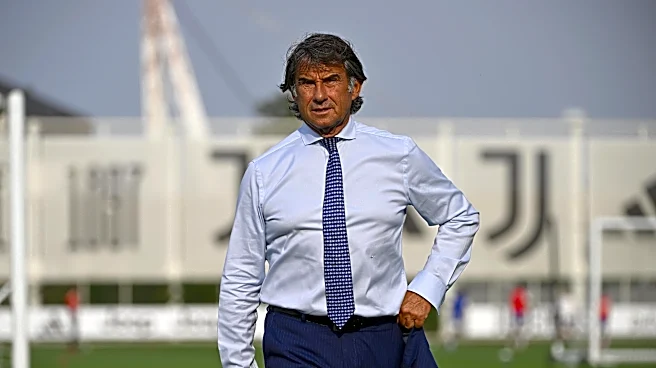
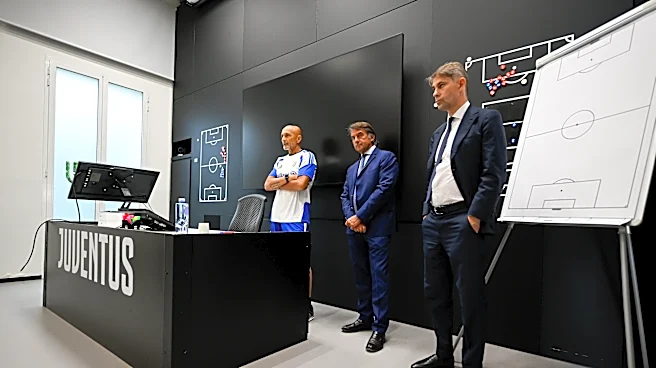
The parallel isn’t exact, obviously — I was in a college program where the head coach was the top decision-maker, which isn’t how Juve’s org chart works at all. But the closest approximation I can draw is this: the decision about identity and process should be owned by the people at the top of the footballing chart. In Juve’s case that’s Giovanni Carnevali first, then down through Frederic Massara and his staff, then down to the manager and his staff.
There’s a real wrinkle in applying this to Juve right now, though, and I don’t want to skip past it: Juve already has a manager, and he’s entering his first full season. That’s not a clean slate. I think the answer is that the technical staff should still decide how they want to play first, in the long term, regardless of who the manager is. What I don’t think they should do is choose a long-term style specifically because it meshes with the manager they already have. Maybe Spalletti is a long-term fit for how they want this team to look, if his approach lines up with where they want to go — and that’s great if it happens. But it’s also fine if he isn’t, and I’d rather see the club commit to the right identity and find out the manager doesn’t fit it than shape the identity around him just because he’s already in the building.
None of us will ever truly know what their process looks like from the outside. But I think there’s a specific thing worth watching for — not which names get linked, but whether the names that get linked start looking like they came from an identity instead of an opportunity. If we’re actually building toward something, I’d expect to start seeing similar profiles show up across the rumor mill — defenders who do similar things well, even if to varying degrees, and attackers who share real traits with each other. They don’t need to be carbon copies. But if none of the players we’re linked with look alike at all, that’s a sign there’s no profile being targeted in the first place. Randal Kolo Muani and Tarik Muharemović — to me — read as pieces that continue the status quo. That might change. It might just be that the vision exists and the rumor mill hasn’t caught up to it yet — that happens all the time, in theory at least.
But if the summer ends and the additions still look like a grab bag instead of a build, that’s the signal, to me, that the identity question never actually got answered before the recruitment started.
My biggest fear here isn’t that this staff tries something new and it doesn’t work. Honestly, I’d take that. Failing in a new way is a sign of progress even when it’s not the outcome anyone wanted — it means the people making decisions actually learned something from the last several years and tried to be different because of it. What worries me is the other outcome: that the process looks the same as it always has, just with new names attached to it. New sporting director, new chief executive, same underlying habit of chasing talent first and figuring out the fit later. That’s the version of this that would tell me nothing’s actually changed.